

How to Turn a Non-Performing Rental Into a Profitable Furnished Housing Asset
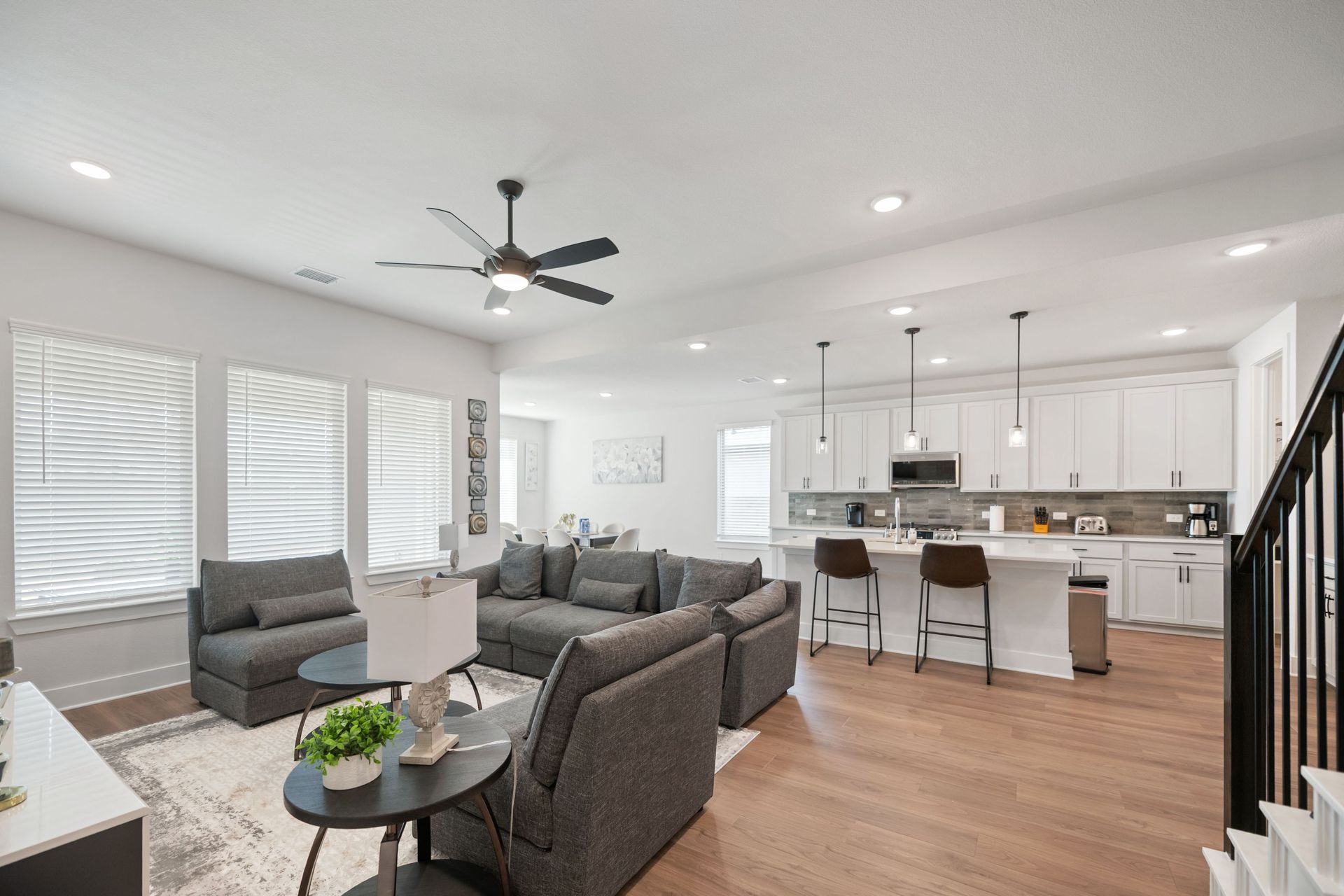
A non-performing rental does not always mean you have a bad property. Sometimes, the rental strategy is the problem.
For real estate investors across the Dallas-Fort Worth (DFW) Metroplex, converting a vacant, underperforming, or difficult-to-lease traditional rental into furnished housing can create a new opportunity to improve revenue potential, reduce vacancy, and reach tenants who need flexible, move-in-ready housing.
The key is to treat the conversion as an investment strategy—not simply a furnishing project. Investors should evaluate setup costs, rental income, operating expenses, vacancy, tenant demand, and projected ROI before making the change.
Quick Answer: Can a Furnished Rental Improve ROI?
Yes, a furnished rental can improve an investment property's financial performance when there is sufficient demand and the additional revenue justifies the furnishing and operating costs.
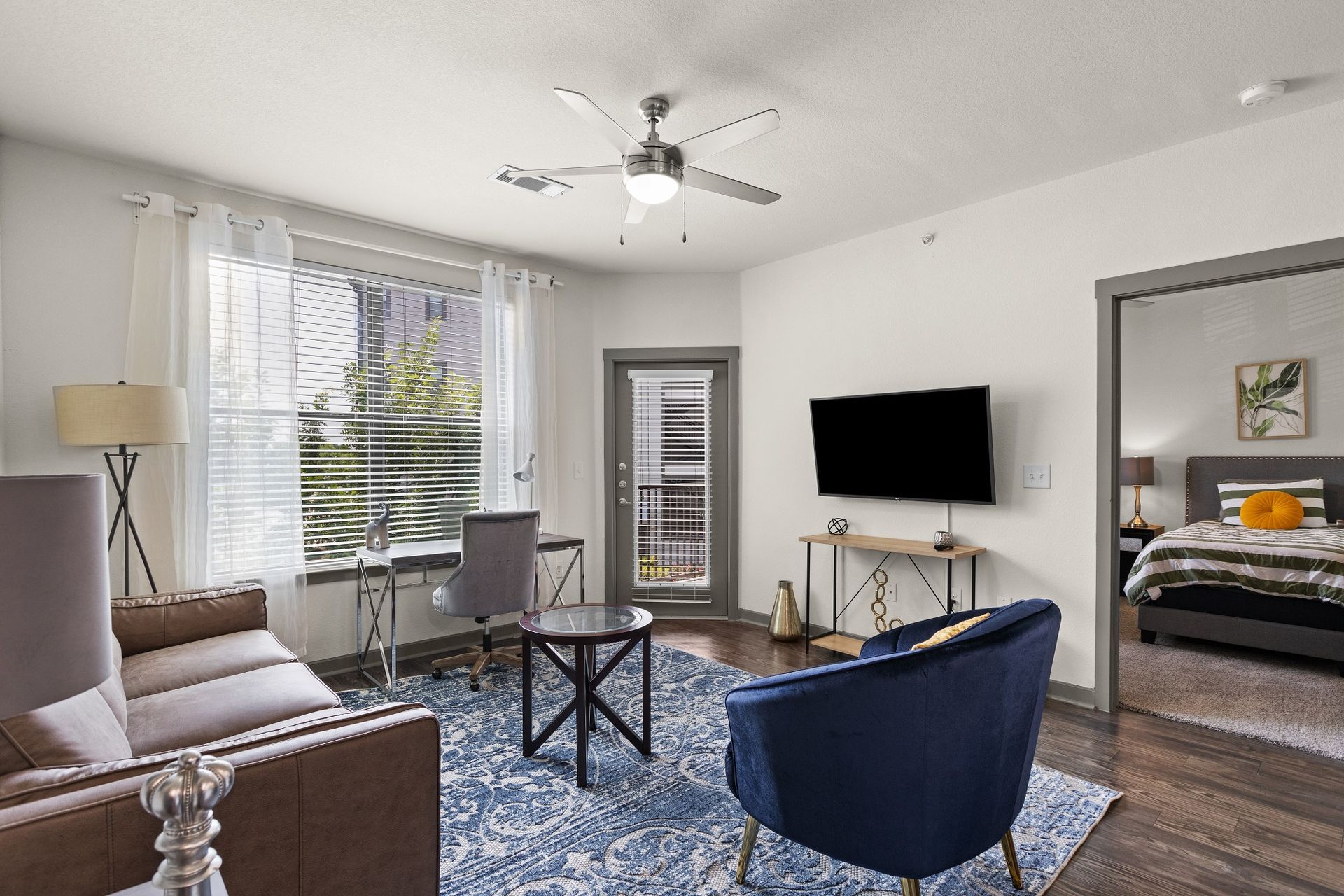
Furnished housing can attract corporate professionals, traveling healthcare workers, relocating families, insurance-displaced households, and others who need housing for weeks or months rather than years.
However, higher gross rent does not automatically mean higher profit.
The investment only makes sense when the additional revenue outweighs the added furnishing, utilities, maintenance, cleaning, management, and turnover costs.
Why This Strategy Matters for DFW Investors
DFW's rental market has become more competitive as substantial new housing supply has entered the market. In Q2 2026, DFW multifamily vacancy was reported at 6.21%, while rents were down 1% year over year. At the same time, absorption remained strong as the market worked through the previous supply wave.
For property owners, that environment makes positioning, pricing, tenant targeting, and speed to lease increasingly important.
A furnished housing strategy can give investors another way to differentiate an asset instead of competing solely on traditional monthly rent.
Is a Furnished Rental More Profitable Than a Traditional Rental?
There is no universal answer.
A furnished rental may generate higher gross revenue, but investors must compare the
net financial performance of both strategies.
| Metric | Traditional Rental | Furnished Rental | |
|---|---|---|---|
| Furnishing investment | Lower | Higher | |
| Lease flexibility | Usually lower | Usually higher | |
| Utilities included | Usually no | Often yes | |
| Target tenants | Long-term renters | Mid-term/flexible renters | |
| Turnover costs | Generally lower | Potentially higher | |
| Revenue potential | Property dependent | Property and demand dependent | |
| Management needs | Typically simpler | More operationally intensive |
How Do You Calculate Furnished Rental ROI?
Investors should evaluate both revenue and expenses.
Net Rental Income = Gross Rental Revenue − Operating Expenses
To evaluate the furnishing investment itself:
Furnishing ROI = Additional Net Income Generated ÷ Furnishing Investment
Important factors include:
- Furnishing and setup costs
- Monthly rental revenue
- Vacancy
- Utilities
- Cleaning
- Maintenance
- Property management
- Supplies and turnover
- Lease duration
- Occupancy
The goal is not simply to achieve a higher rental rate. The goal is to improve the property's overall financial performance.
How Much Does It Cost to Convert a Rental to Furnished Housing?
There is no universal furnishing budget.
Costs depend on the property's size, condition, bedroom count, quality expectations, target tenant, and level of furnishing required.
A complete setup may include:
- Furniture and mattresses
- Bedding and kitchen supplies
- Housewares and electronics
- Décor
- Utilities and internet
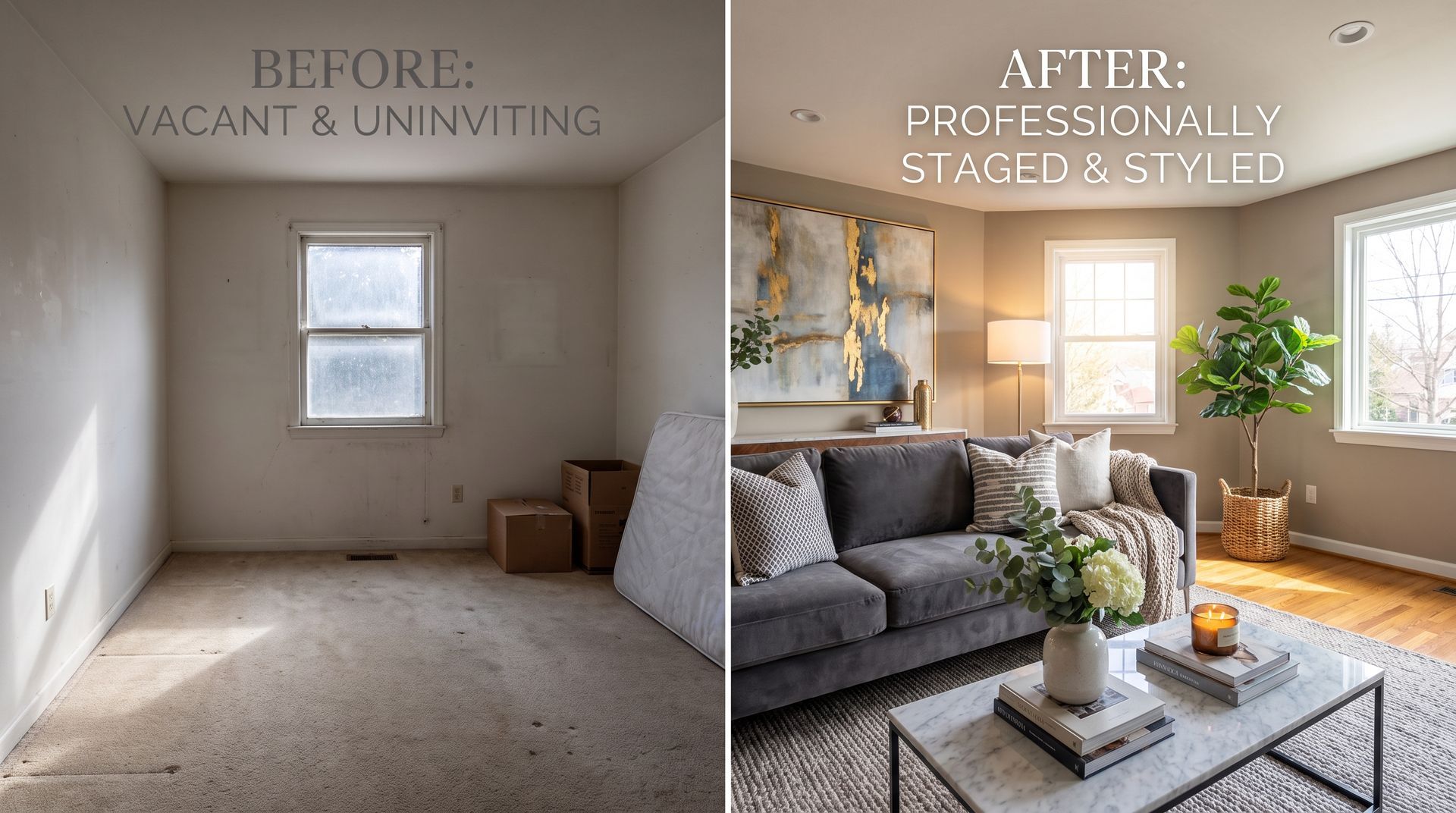
- Professional staging
- Photography
- Cleaning
- Initial marketing
Investors should determine the
total project cost before committing to the conversion and compare that investment against projected revenue and operating performance.
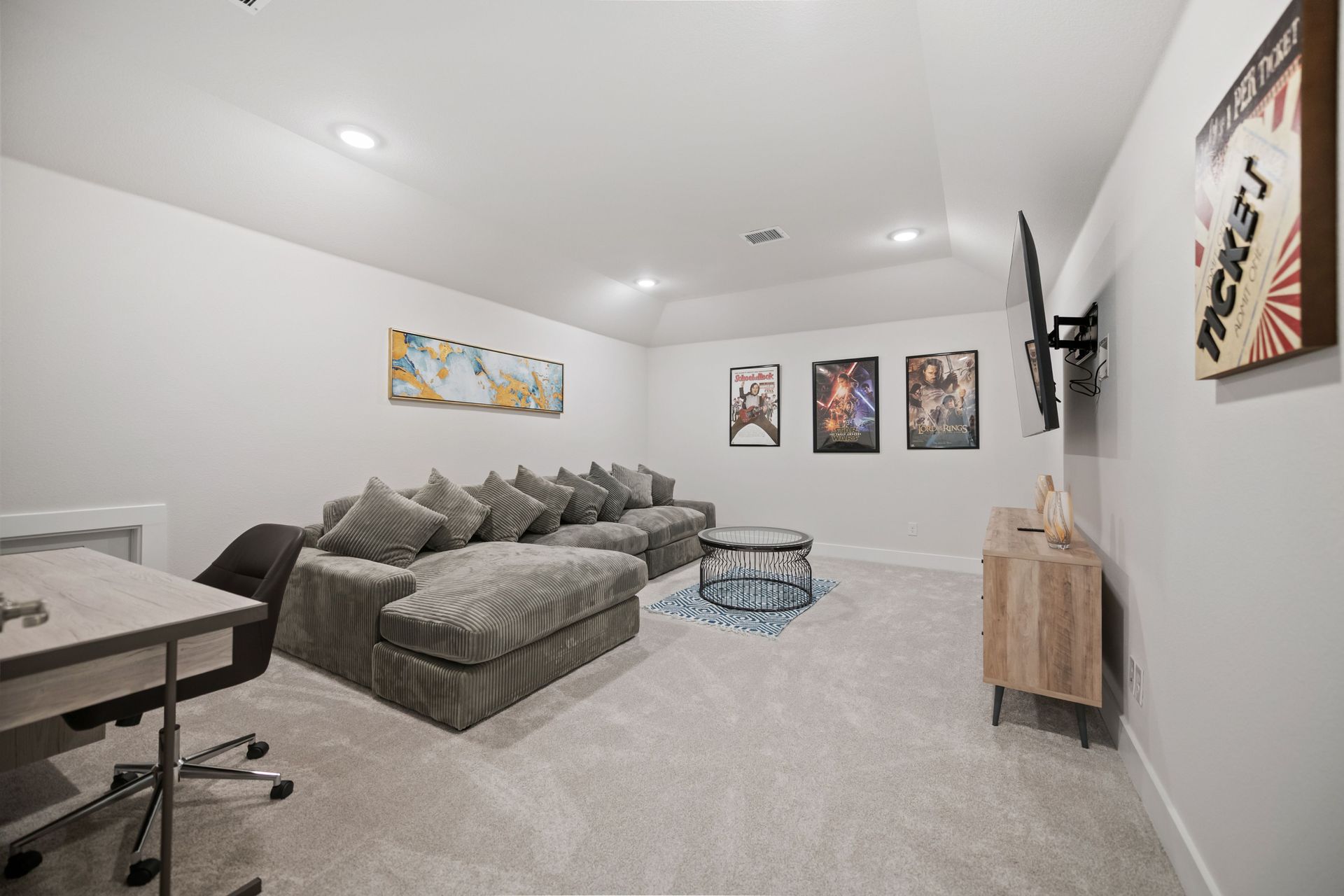
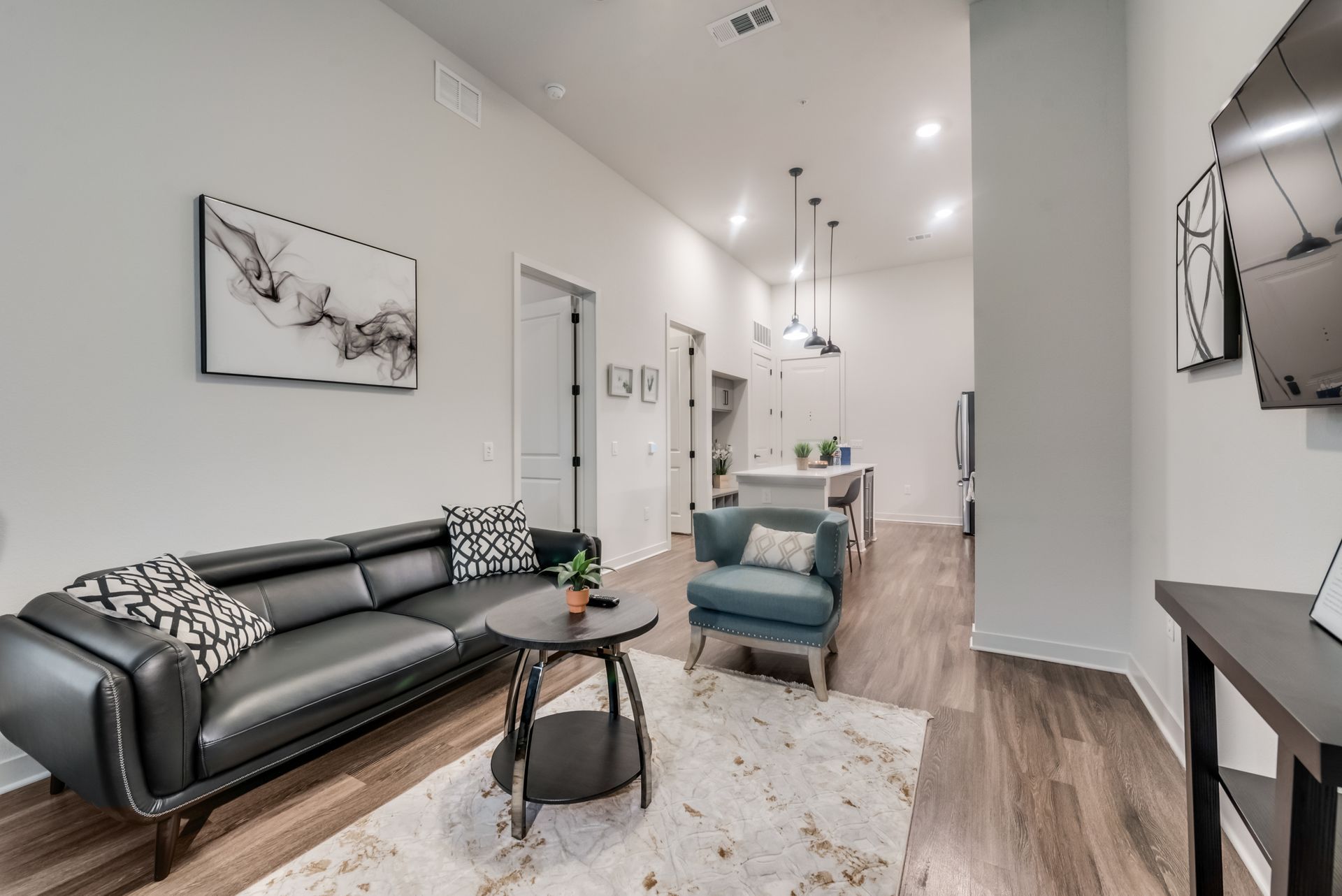
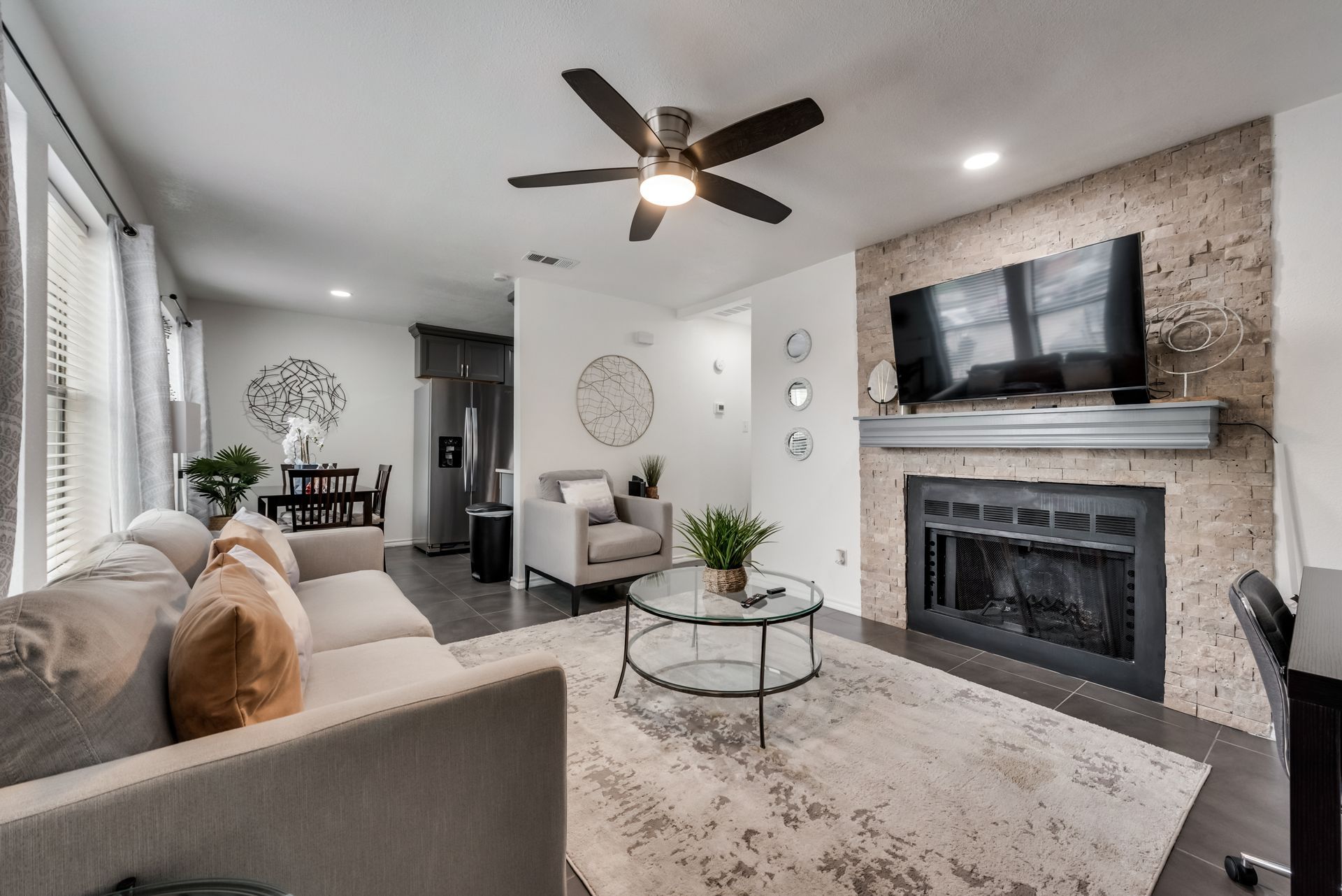
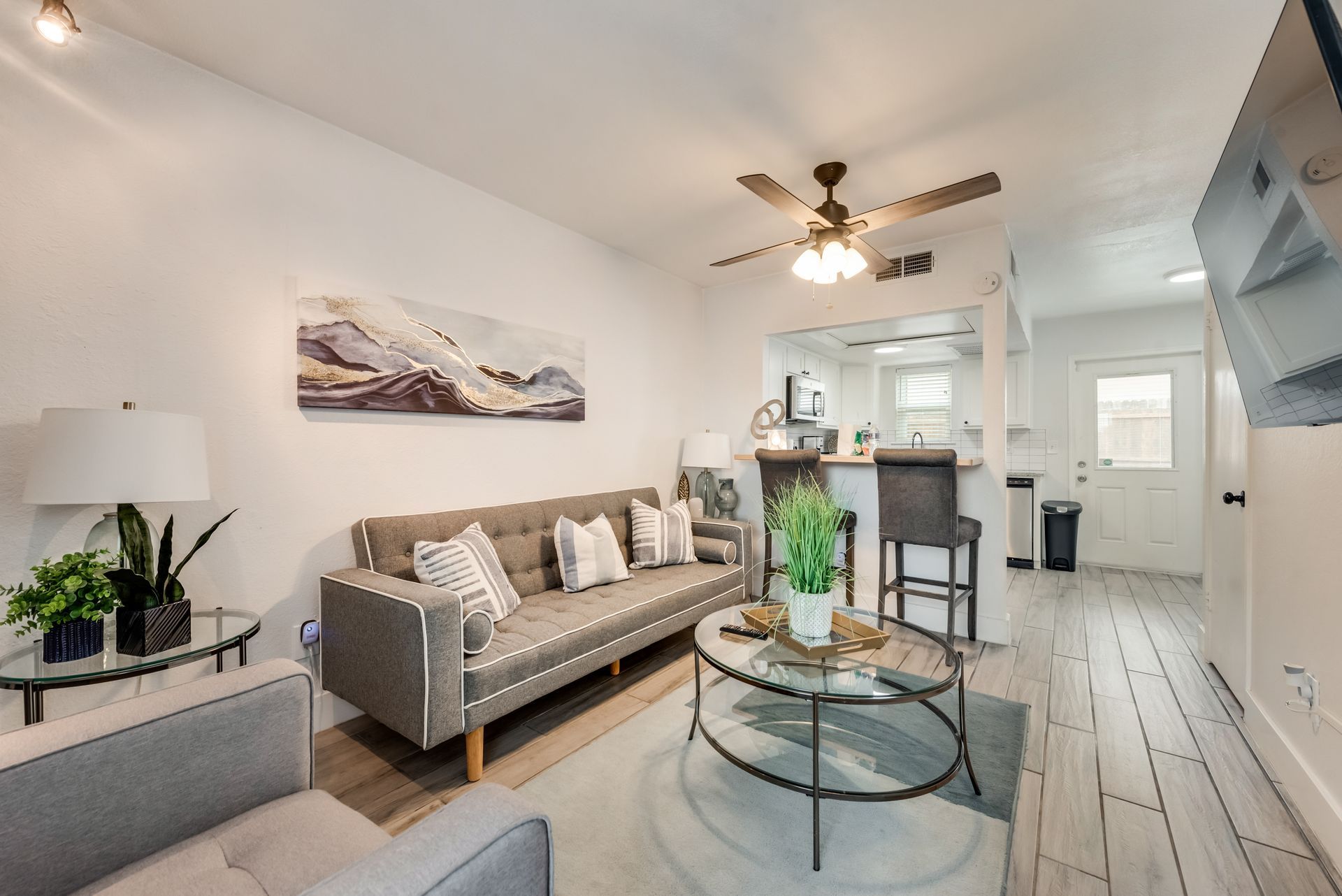
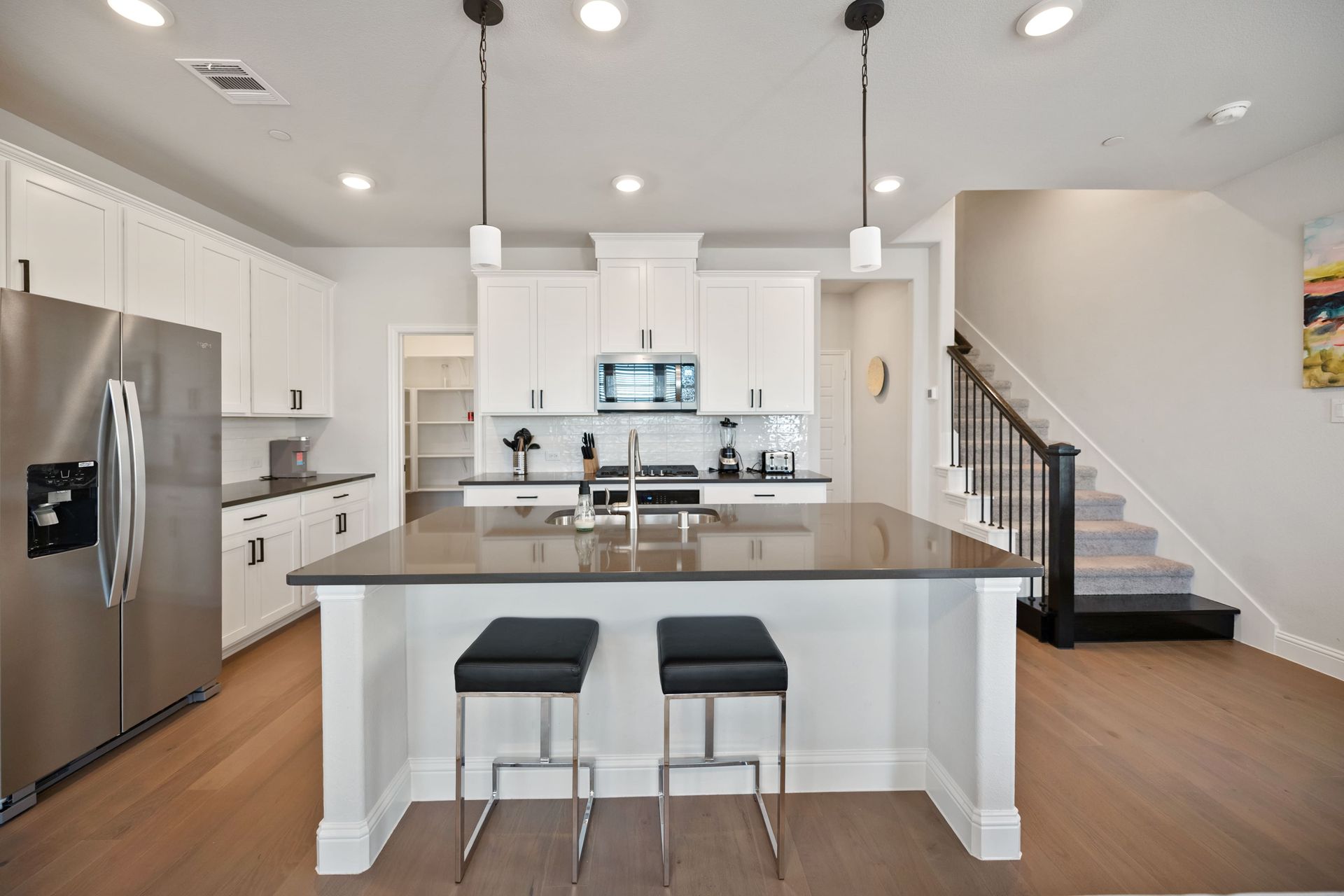
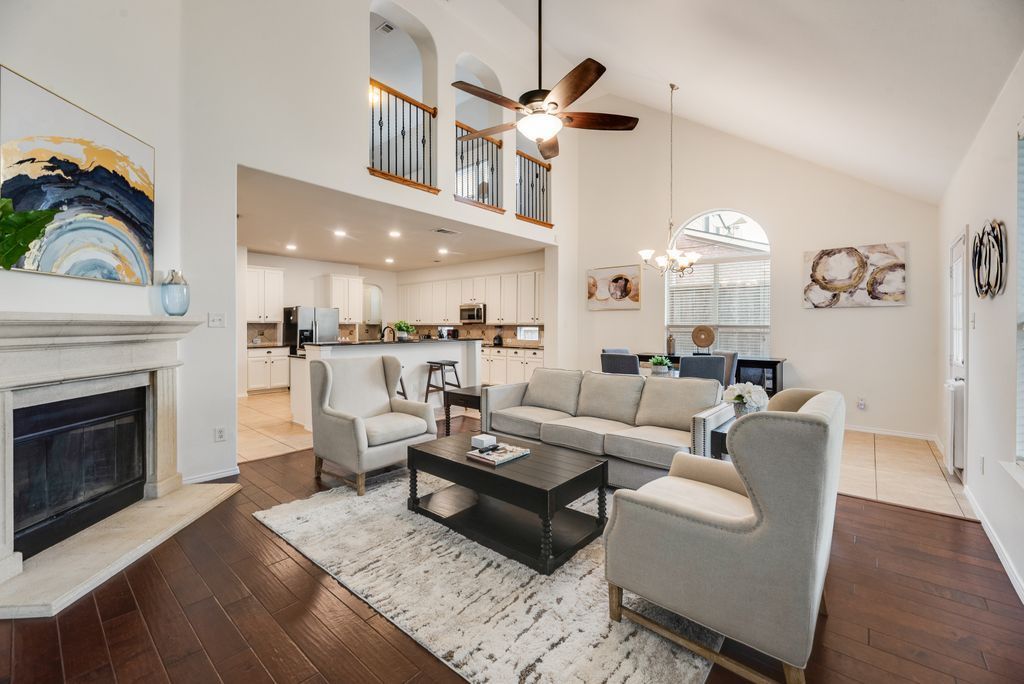
A recent McKinney project demonstrates how quickly a traditional rental can be repositioned for furnished housing.
An investor purchased a 4-bedroom single-family home in McKinney, Texas, and needed the property prepared for the mid-term rental market.
We staged and set up the property for $36,000 in just 7 days and secured a mid-term lease in under two weeks.
That timeline matters from an investment perspective.
A vacant property generates little or no rental income while still carrying ownership costs. Moving quickly from acquisition → setup → marketing → tenant placement can shorten the period before the property begins producing revenue.
The project demonstrates why furnished housing should be approached as an investment operation rather than an interior-design exercise.
How Fast Can a Furnished Rental Be Prepared and Leased?
The timeline depends on property condition, furnishing requirements, market demand, pricing, and leasing strategy.
A coordinated process can reduce unnecessary delays by managing multiple steps together:
Property assessment → furnishing → staging → photography → marketing → tenant screening → lease
In the McKinney case study, the property was fully staged and set up in 7 days, with a mid-term lease secured in under two weeks.
For investors, faster turnaround can mean
less vacancy and an earlier path to revenue.
What Types of Rentals Are Best for Furnished Housing?
Not every rental is an ideal candidate.
Before converting a property, investors should evaluate:
- Location
- Bedroom and bathroom count
- Property condition
- Parking and amenities
- Proximity to hospitals and medical centers
- Access to corporate and employment centers
- Relocation activity
- Comparable furnished rentals
- Expected rental rate
- Furnishing cost
- Projected occupancy
- Operating expenses
A property near major employment, healthcare, transportation, or relocation-demand areas may have stronger furnished-housing potential.
The strategy should follow the market and the numbers.
Why Financial Reporting Matters to Investors
Furnished housing can involve more moving parts than a traditional rental, making financial reporting particularly important.
Investors should have visibility into relevant property-level performance, including:
- Rental revenue
- Setup and furnishing costs
- Utilities
- Cleaning and turnover
- Maintenance
- Management expenses
- Occupancy
- Lease performance
- Other operating expenses
Good reporting helps answer the questions that matter most:
Is the property profitable? Is the strategy working? Where are expenses increasing? And should the investor use the same strategy on another property?
How We Help DFW Real Estate Investors
We help real estate investors across the DFW Metroplex turn non-performing traditional rentals into premium furnished housing assets. Our comprehensive service includes meticulous financial reporting, detailed tracking, and full property setup so your business runs itself. For example, when an investor purchased a 4-bed single-family home in McKinney, we staged and set it up for $36,000 in just 7 days, securing a mid-term lease in under two weeks.
Our approach focuses on four investor priorities:
1. Faster Turnaround
Get properties furnished, positioned, and marketed efficiently.
2. Revenue Opportunity
Position the property for tenants seeking furnished, flexible housing.
3. Financial Visibility
Track property-level revenue and expenses so investors can understand performance.
4. Scalable Operations
Create a professional process that allows investors to own furnished housing without managing every operational detail themselves.
Frequently Asked Questions
Is furnished housing more profitable than traditional renting?
It can be, but profitability depends on rental revenue, occupancy, furnishing costs, utilities, maintenance, management, and tenant demand. Investors should compare net returns, not rental rates alone.
How much does it cost to furnish an investment property?
Costs vary based on property size, bedroom count, furnishing quality, housewares, electronics, staging, and other setup requirements. The complete setup cost should be established before the investment decision is made.
How quickly can a furnished rental be leased?
There is no guaranteed timeline. Property condition, location, pricing, demand, and marketing all affect leasing speed. In our McKinney case study, the property was set up in 7 days and leased in under two weeks.
What properties are best for mid-term furnished rentals?
Properties near hospitals, corporate employment centers, major employers, transportation, and relocation-demand areas can be strong candidates. However, each property should be evaluated individually based on demand and projected financial performance.
Is furnishing a rental a good investment?
It can be when the projected additional net income justifies the furnishing investment and ongoing operating costs. Investors should evaluate revenue, expenses, vacancy, tenant demand, and expected payback before converting the property.
Why Work With Nabro Furnished Housing?
Nabro Furnished Housing helps property owners and real estate investors transform traditional rentals into professionally furnished, market-ready housing.
Our approach combines property setup, furnishing, marketing, tenant placement, operational coordination, and financial reporting so investors can focus on their portfolio rather than managing every detail of the conversion process.
Our McKinney project is one example of that approach: $36,000 in setup, completed in 7 days, followed by a mid-term lease secured in under two weeks.
The goal is not simply to furnish another property.
The goal is to create a professionally managed housing asset with a clear path to revenue and measurable financial performance.
Final Takeaway: Look at the Rental Strategy, Not Just the Property
When a traditional rental is vacant or underperforming, investors do not necessarily have to accept lower returns or immediately sell the property.
Furnished housing can provide another strategy to evaluate—particularly when the property is located in an area with demand for temporary and mid-term housing.
But the decision should always start with the numbers.
Calculate the setup cost. Estimate the revenue. Account for operating expenses. Evaluate vacancy. Study tenant demand. Then determine whether the projected return justifies the investment.
For DFW real estate investors, the better question is not:
“Should I furnish my rental?”
It is:
“Can converting this property to furnished housing produce a better return than my current rental strategy?”
That is the question that turns furnishing from an expense into an
investment decision.