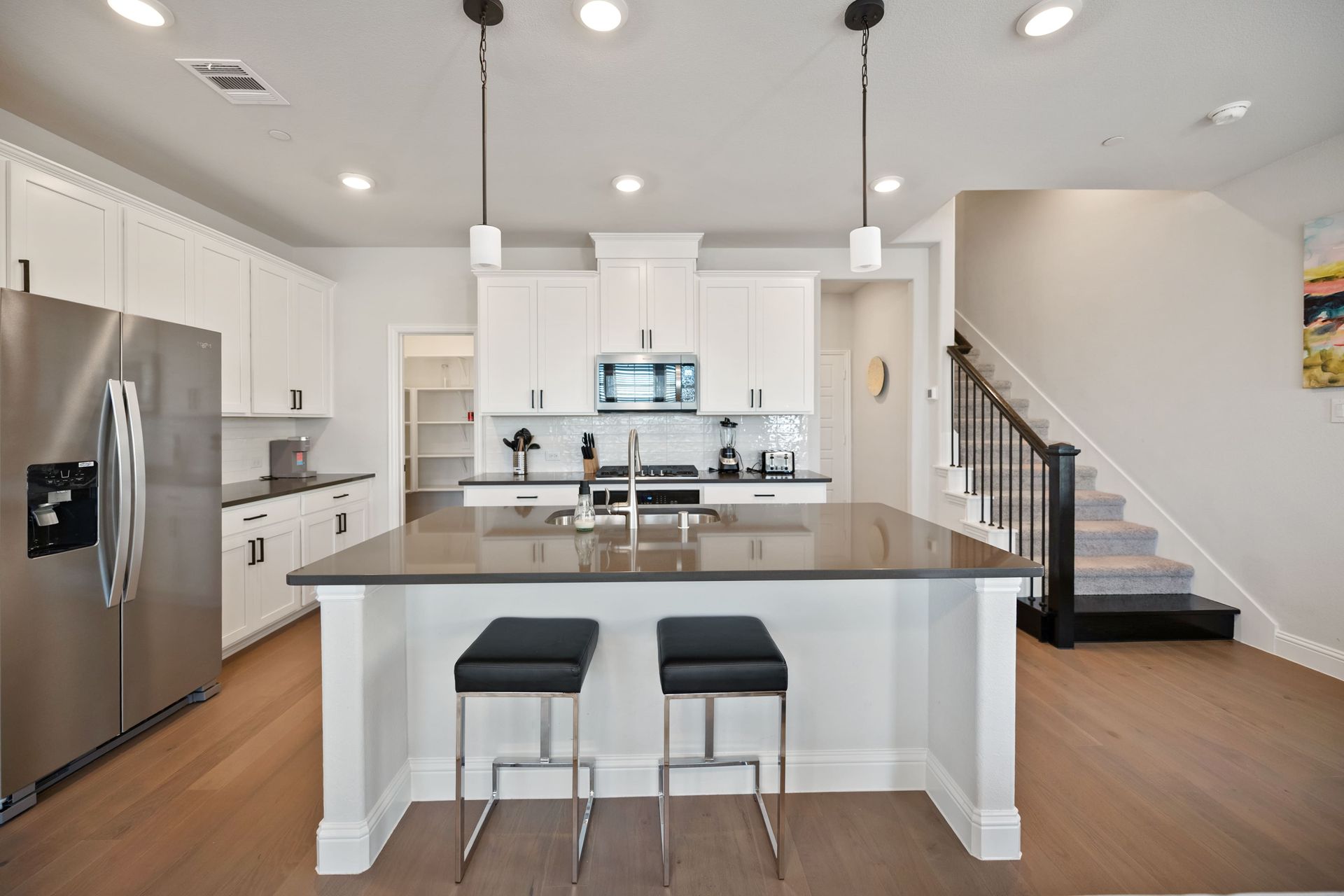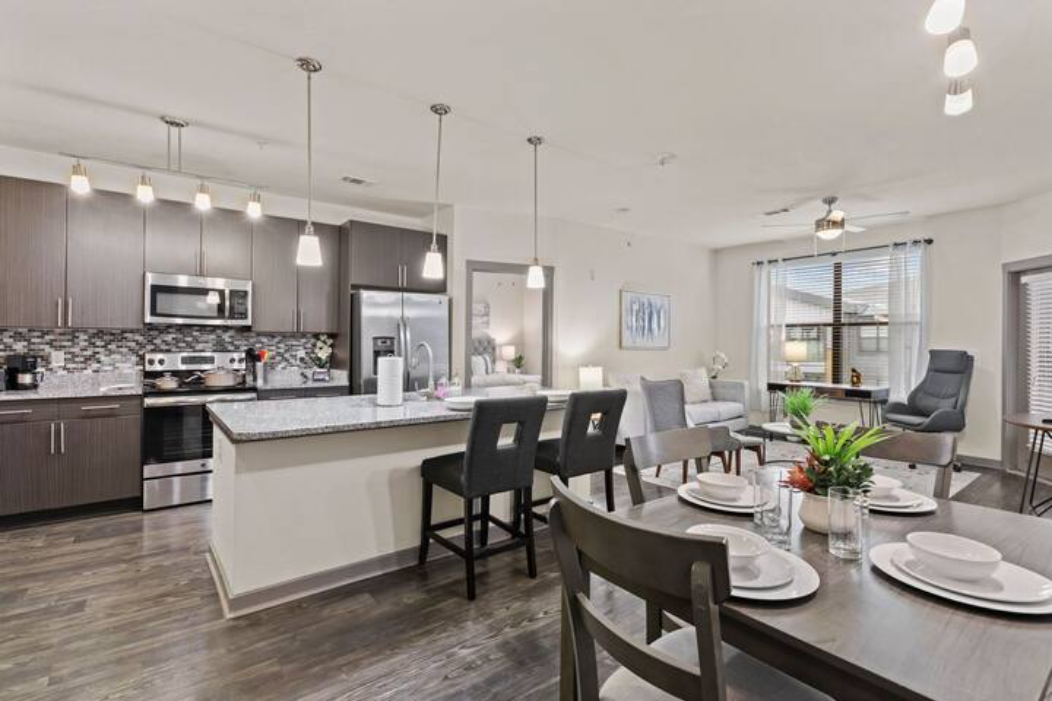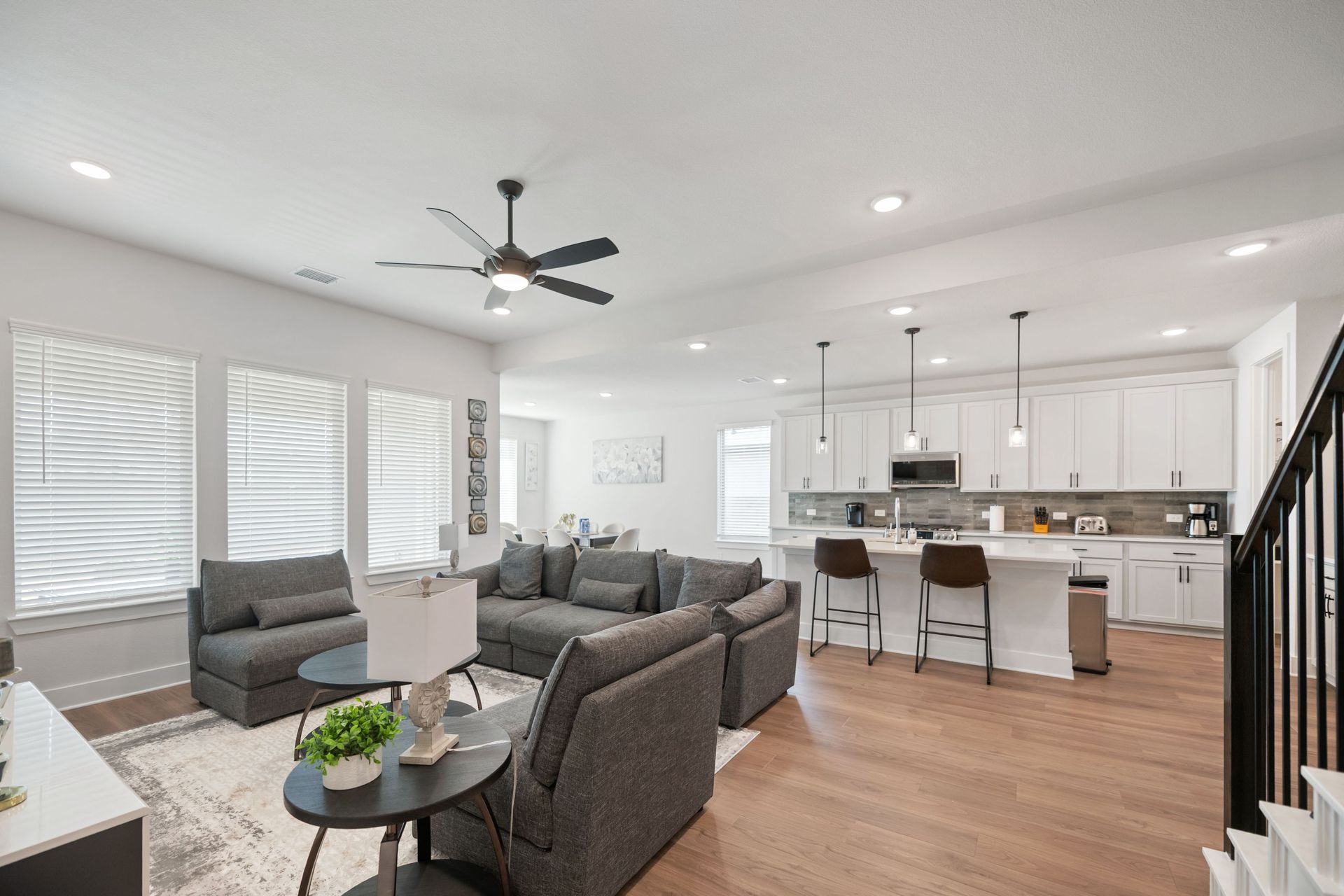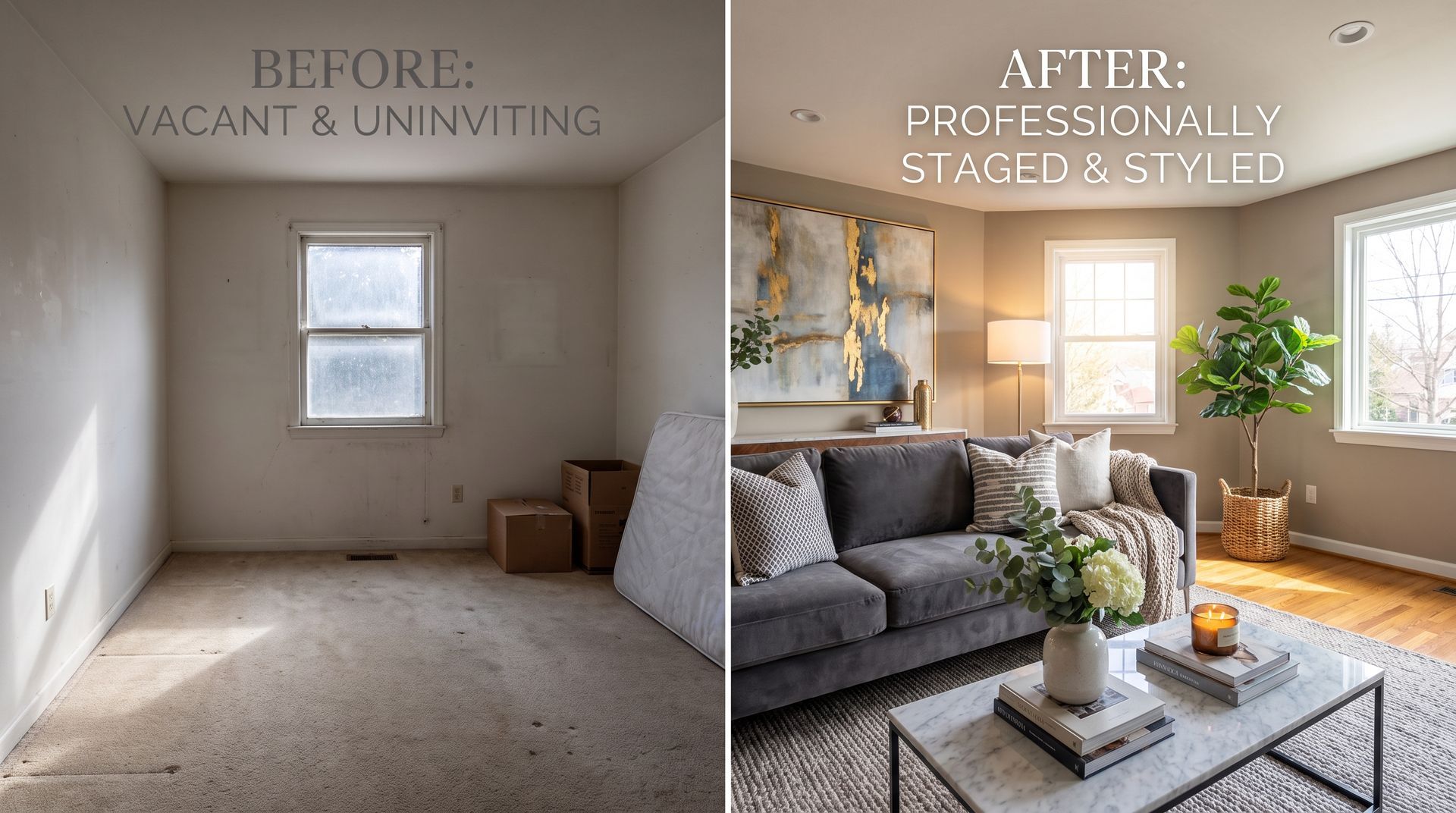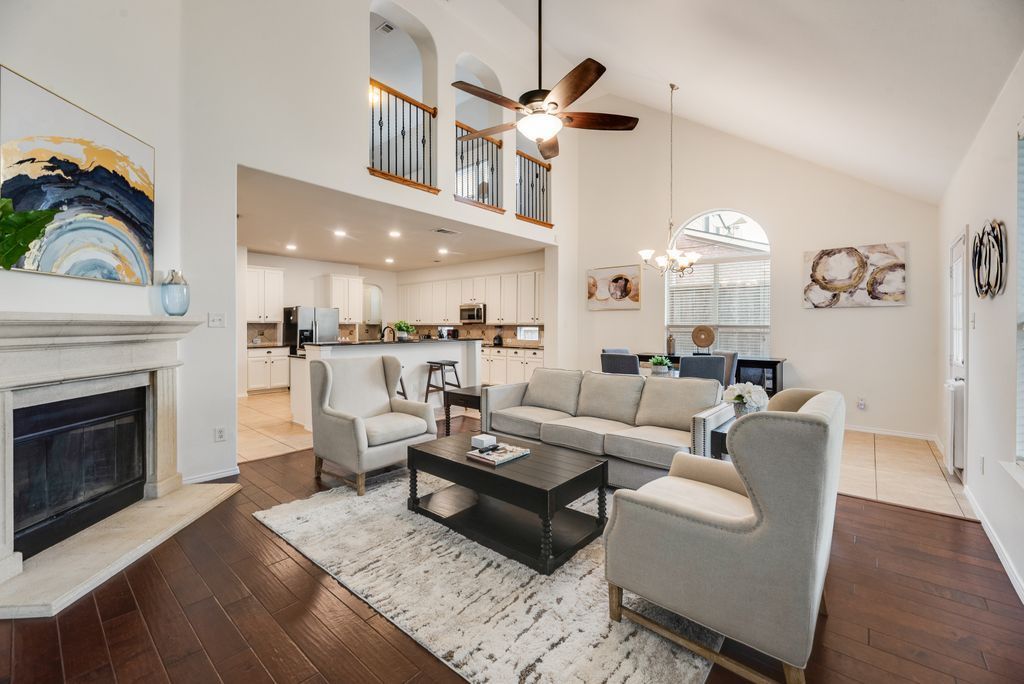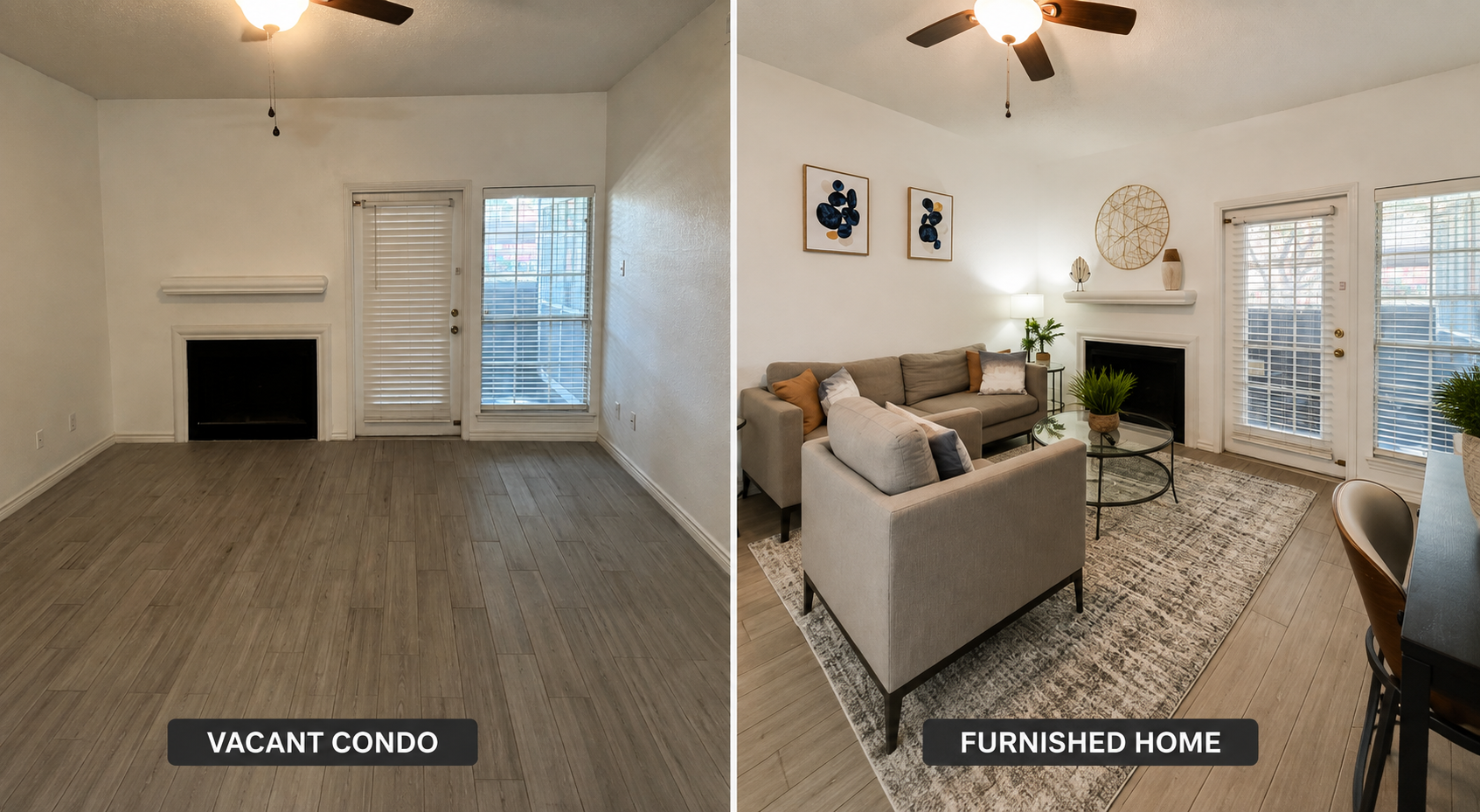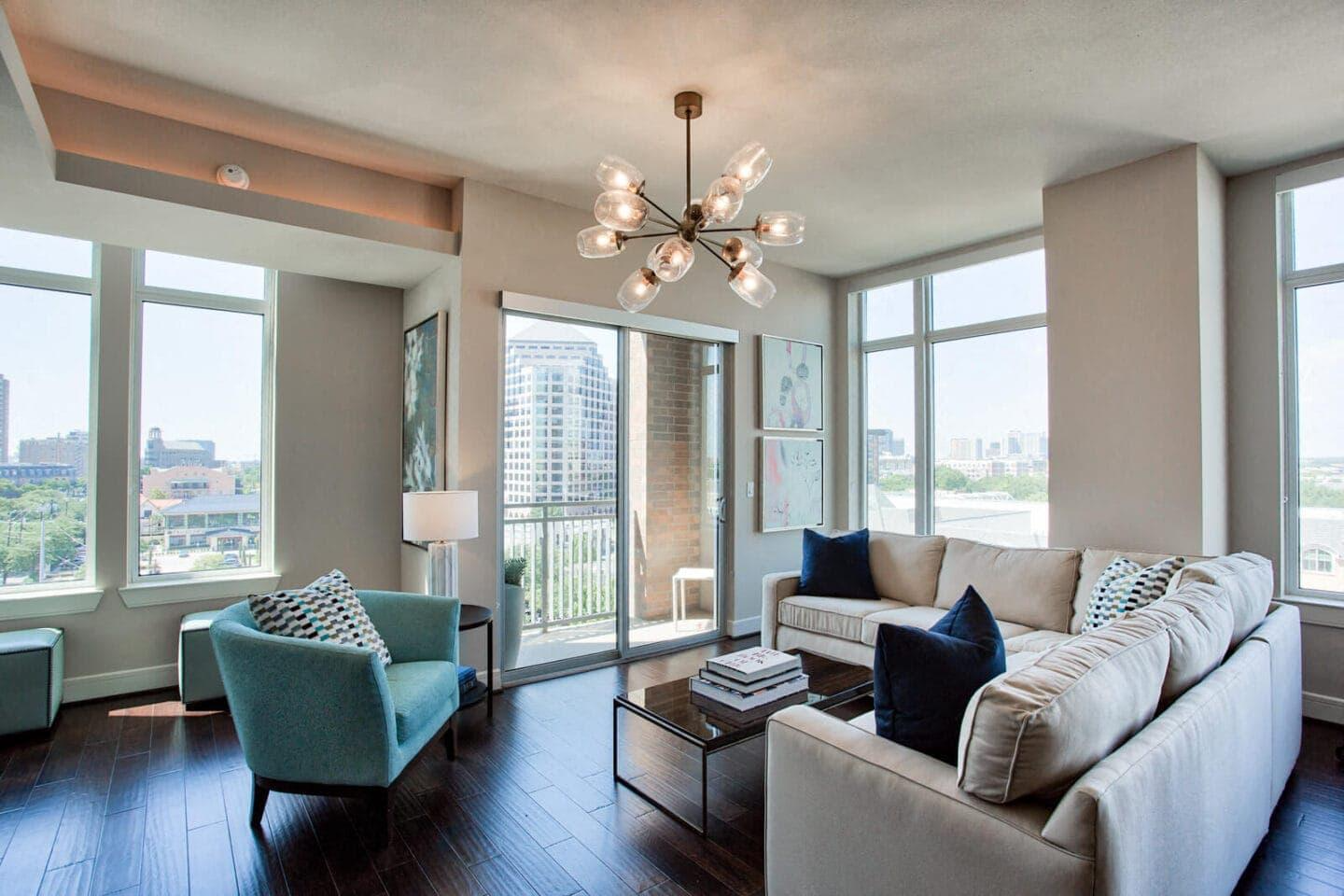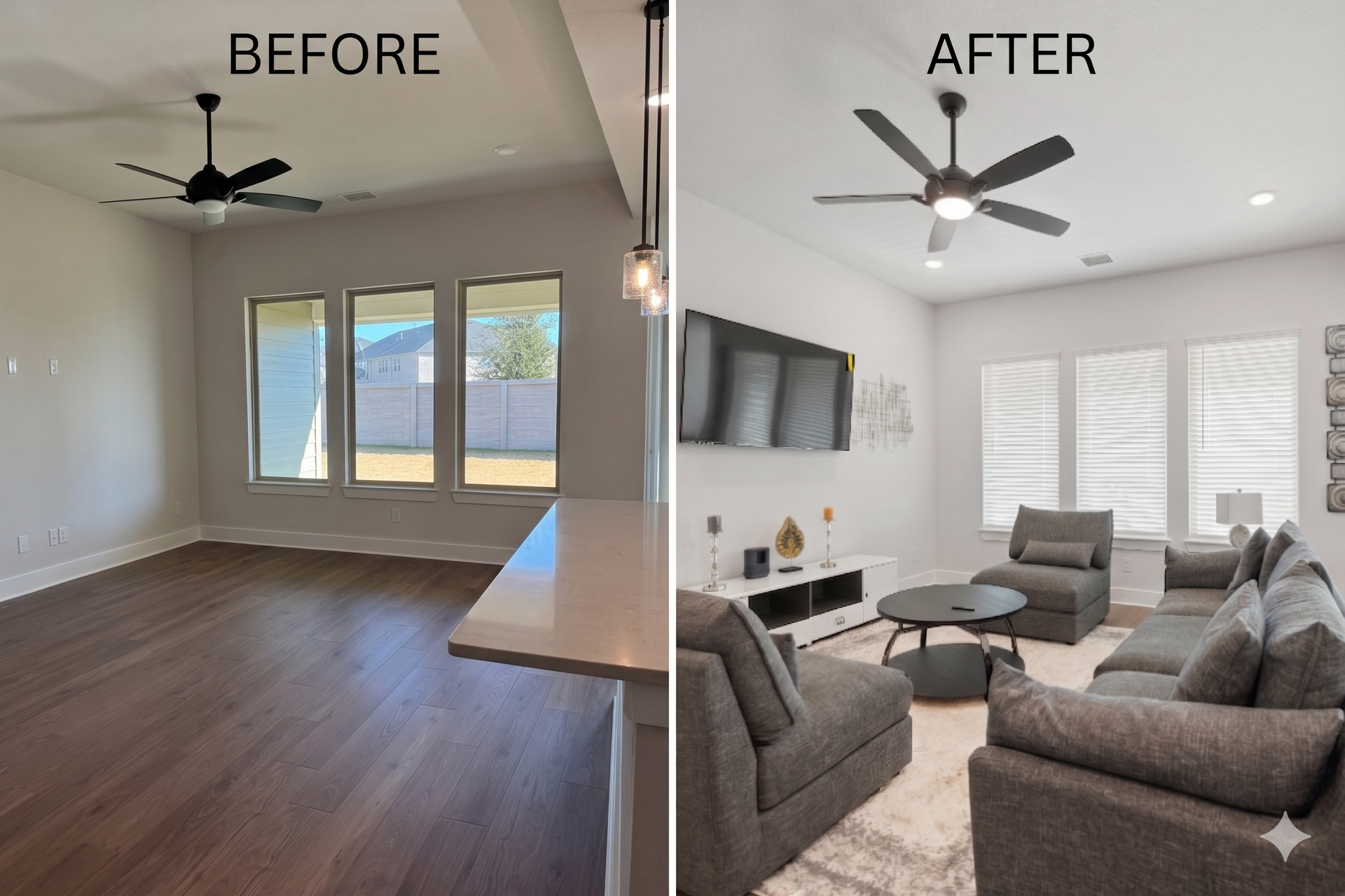

From Empty Apartment to Move-In Ready in 3 Days: How FHC Builds Furnished Homes
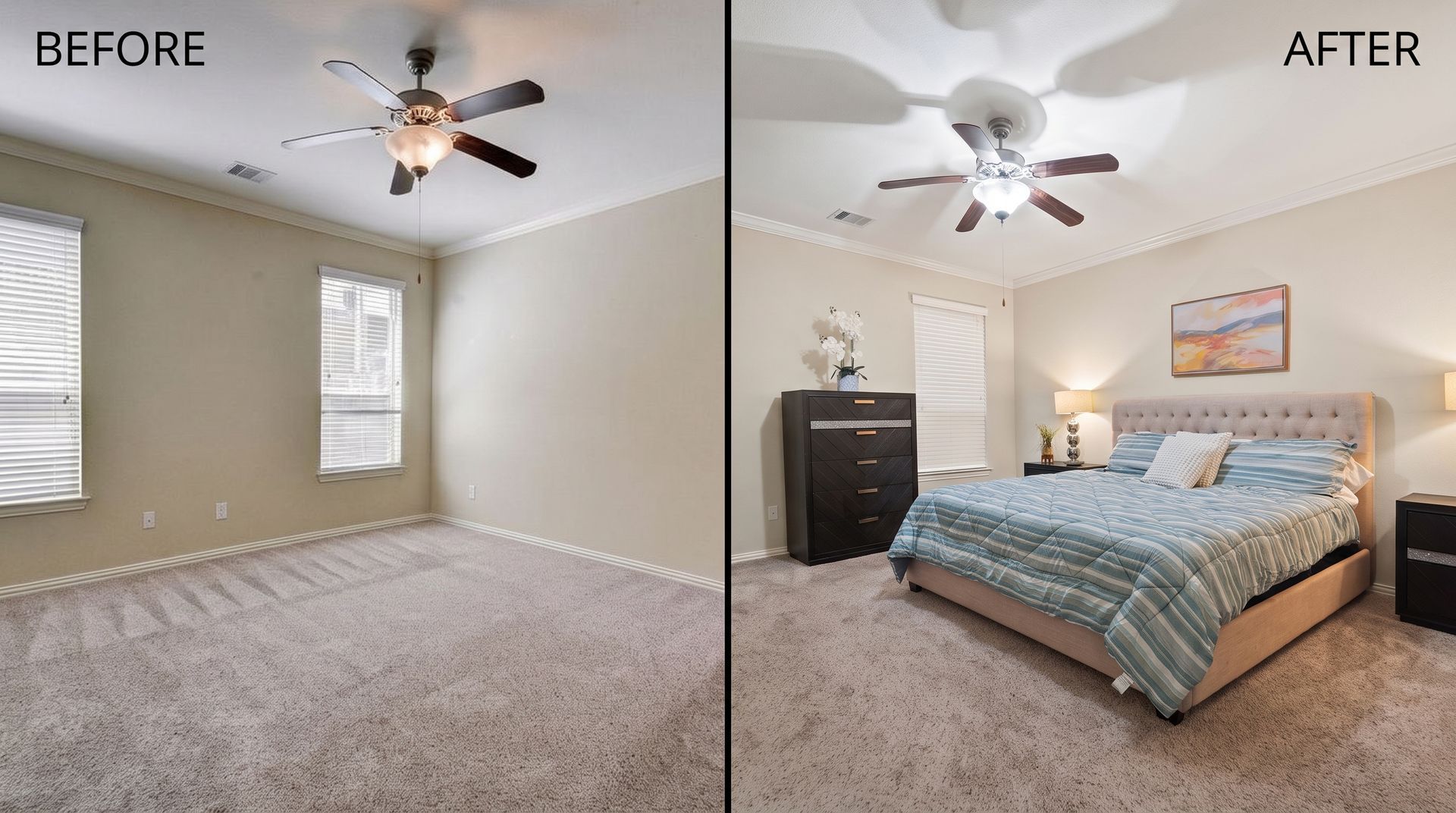
Quick answer: For a professional relocating to Dallas for 9–12 months or longer, leasing an unfurnished apartment and having Furnished Housing Consultants (FHC) furnish it can provide more choice and a clearer view of housing costs than renting a fully furnished apartment. For many standard units, FHC can complete the physical setup in about two days and the overall furnishing process in three days or less, once the property is ready and access is available.
A real relocation problem
A recent FHC client was relocating to Dallas for about one year for a fellowship at Southern Methodist University (SMU). She wanted a comfortable one-bedroom apartment near the university, in a convenient neighborhood, without buying furniture she would later have to sell or discard. She also had a limited monthly housing budget.
The obvious choice, renting an existing furnished apartment, wasn't necessarily the best fit. Furnished housing can bundle rent, furniture, utilities, internet, housewares, and other services into one monthly price, which may push the total beyond what a fellow, intern, resident, or other temporary professional wants to spend.
The better question was: What if the apartment and the furnishing were treated as two separate decisions?
The FHC model: lease the apartment, then build the home

Instead of limiting the client to furnished inventory, FHC recommended that she lease an unfurnished apartment directly from an apartment community near SMU. After the lease was secured and FHC had access, the team handled the furnishing and setup.
A typical one-bedroom setup can include:
· Living-room furniture and tables
· Bed, mattress, nightstands and storage
· Dining table and chairs
· Desk and office chair when appropriate
· Kitchen essentials, cookware and dinnerware
· Linens, towels and housewares
· Television, lamps, artwork and décor
· Delivery, assembly, staging and final walkthrough
The goal is simple: the resident signs the apartment lease, FHC turns the empty space into a functioning home, and the resident arrives with a suitcase rather than a shopping list.
Why this can make sense for a 12-month relocation
The economics of a 30-day stay are different from those of a 12-month stay. For shorter stays, a traditional furnished apartment may be the easiest option. For a longer assignment, separating apartment rent from furnishing can make the cost structure easier to understand.
In this model, apartment rent is paid to the apartment community, electricity is paid to the utility provider, internet is paid to the internet provider, renters insurance is maintained by the resident, and FHC handles the furniture and home setup. That separation lets the resident evaluate the actual cost of each component instead of accepting one bundled furnished-housing rate.
What did this particular setup cost?
For this one-bedroom relocation, the project used an initial furniture/setup investment of approximately $3,000, followed by an estimated furniture/setup payment of $277.72 per month. The working estimates also included about $100 per month for electricity, $54.95 for internet and $10 for renters insurance—approximately $442.67 per month outside apartment rent.
These are estimates, not guaranteed prices. Electricity varies with usage, season and provider; internet depends on the service available at the property; and renters insurance depends on the coverage selected. The value of the exercise is that these costs can be identified before move-in rather than becoming surprises afterward.
How can an empty apartment become move-in ready in 3 days?
FHC has developed a repeatable setup process after furnishing and staging more than 220 units across Austin, Houston, San Antonio, and predominantly the Dallas-Fort Worth Metroplex. For many standard apartments, condos, and homes, the furnishing and setup can be completed in three days or less once the property is ready and access is available. Many one-bedroom apartments can be physically set up in about two days.
Day 1: Furnish the space

The team first verifies that the apartment is ready for setup. Furniture is then delivered, assembled and positioned according to the actual floor plan. That means considering traffic flow, outlets, natural light, television placement, storage and where a resident will work, relax and keep luggage.
Day 2: Turn furniture into a home

The second stage is about usability: beds are made, linens and towels are installed, the kitchen is stocked, the dining area is completed, lamps and décor are placed, the television is installed, and the bathroom and other essentials are prepared.
Then comes the suitcase test: Can the resident cook dinner? Take a shower? Make coffee in the morning? Work from home? Charge a phone beside the bed? Find hangers, towels, plates, glasses and basic kitchen tools?
Those details are easy to overlook, but they are what separates an apartment with furniture from a furnished home designed for real life.
The kitchen and bedroom matter more than they look
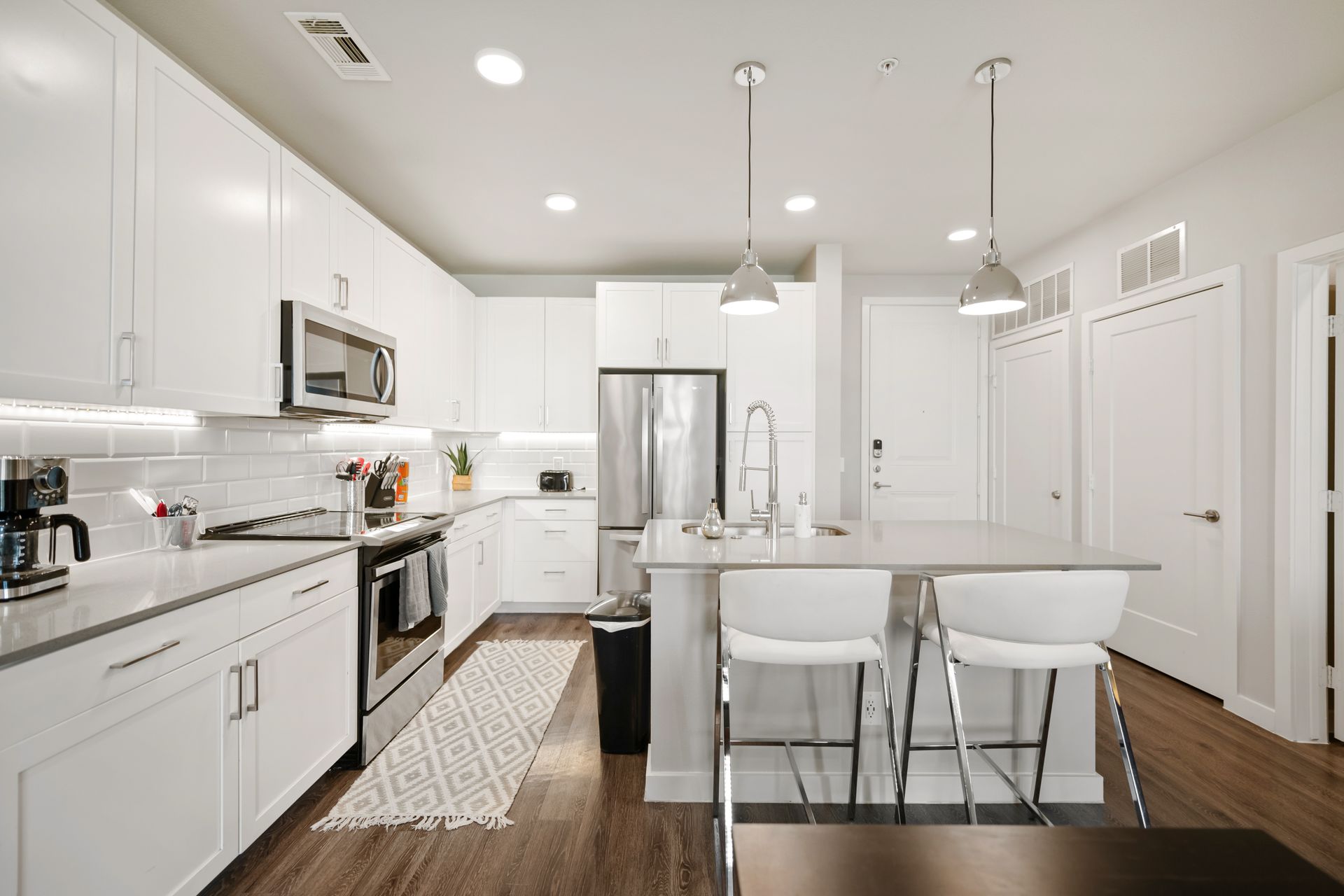
A furnished kitchen needs more than four plates and a couple of pans. Someone staying for a year may cook, store leftovers, order groceries and have guests. That is why FHC considers cookware, bakeware, knives, cutting boards, utensils, a coffee maker, toaster, food-storage containers, mixing bowls, mugs, dinnerware, serving pieces, kitchen towels, trash cans and cleaning supplies.
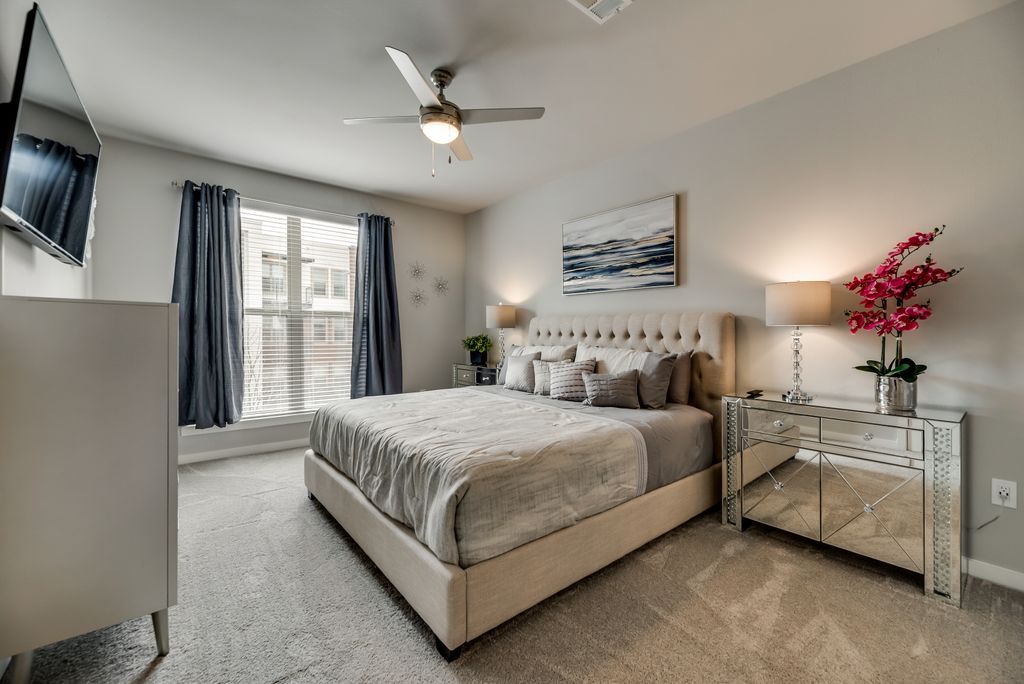
The bedroom gets the same practical attention. A resident arriving after a long trip should not have to wonder where to charge a phone, put a suitcase, hang clothes or find a reading lamp. The mattress, pillows, storage and lighting all contribute to whether the room feels ready for the next twelve months—not just ready for a listing photo.
What about electricity, internet and renters insurance?
Utilities are part of the relocation plan too. In this case, FHC estimated approximately $100 per month for electricity, $54.95 for internet, and $10 for renters insurance. Internet can often be activated within about 48 hours, but the actual timing depends on the provider, property infrastructure, and availability.
Why FHC starts with a checklist
A furnished property should not be built from memory. A one-bedroom apartment, a four-bedroom corporate home, a high-rise with a balcony and an insurance-displacement home all have different requirements.
FHC therefore starts with the property and its intended use. A customized setup checklist can consider the address, number of bedrooms and bathrooms, washer/dryer availability, patio or balcony and other property-specific requirements.
Who can benefit from this approach?
· Relocating professionals who need a home for 9–12 months or longer.
· Fellows, interns, residents and employees on temporary assignments.
· Homeowners and landlords with vacant properties.
· Investors considering furnished housing as an alternative to a traditional rental.
Frequently asked questions
Can FHC furnish an unfurnished apartment?
Yes. FHC's model is to furnish and set up an apartment after the resident secures the property and FHC receives access.
How fast can FHC furnish an apartment?
For many standard apartments, condos and homes, setup can be completed in three days or less. Many one-bedroom units can be physically set up in about two days, provided the property is ready and access is available.
Is a furnished apartment always cheaper than an unfurnished apartment?
Not necessarily. The best option depends on the length of stay, location, rent, furnishing needs, utilities and other costs. For longer relocations, separating the apartment lease from furnishing can provide more flexibility and cost transparency.
What does a furnished setup include?
Depending on the property, FHC can coordinate furniture, mattress, bedroom and living-room furnishings, dining, kitchen essentials, linens, housewares, décor, television, delivery, assembly, staging and a final walkthrough.
Does FHC handle utilities?
FHC can help plan the setup around services such as electricity and internet. Actual utility prices and activation times depend on the provider and property.
The takeaway: the best furnished apartment may start empty
The Dallas case shows that a furnished home does not always have to begin as a furnished rental. For the right long-term relocation, the better solution may be to choose the right unfurnished apartment, lease it directly, and have an experienced team furnish it around the resident's needs.
That approach gives the resident more control over location and apartment choice while avoiding the work of buying, assembling, and later disposing of furniture.
Empty today. Furnished tomorrow. Guest-ready in three days or less.
Have an empty apartment, condo, or home? FHC can create a customized property setup checklist based on the property's size, layout, and intended use.
Editorial note:
All client-specific figures and operating claims in this article are based on the original
FHC case study supplied for this revision. Estimates may vary by property, provider, season and furnishing requirements.