
Furnished Housing Trends in 2026: What Owners and Tenants Should Know
Quick answer:
Furnished housing in 2026 is shifting from a niche product for expats and short-term workers to a mainstream option for renters who want flexibility. Owners can earn higher rent and attract tenants faster, but only if they price, furnish, and write leases carefully. Tenants get convenience, but should check the total cost and what is actually included.
What Is Furnished Housing?
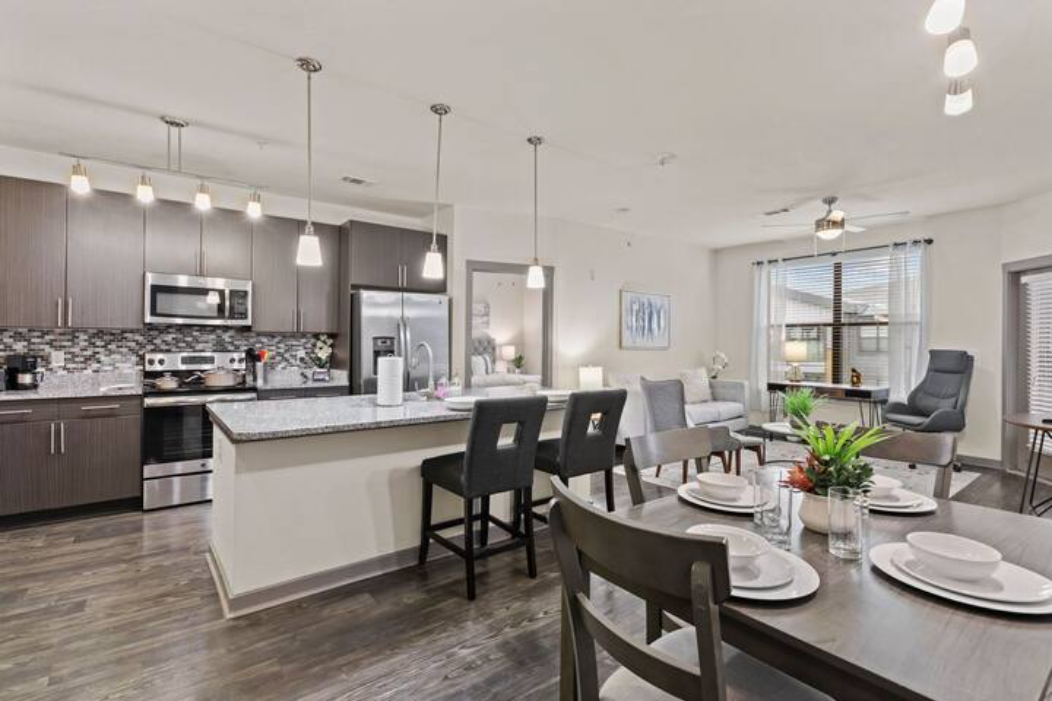
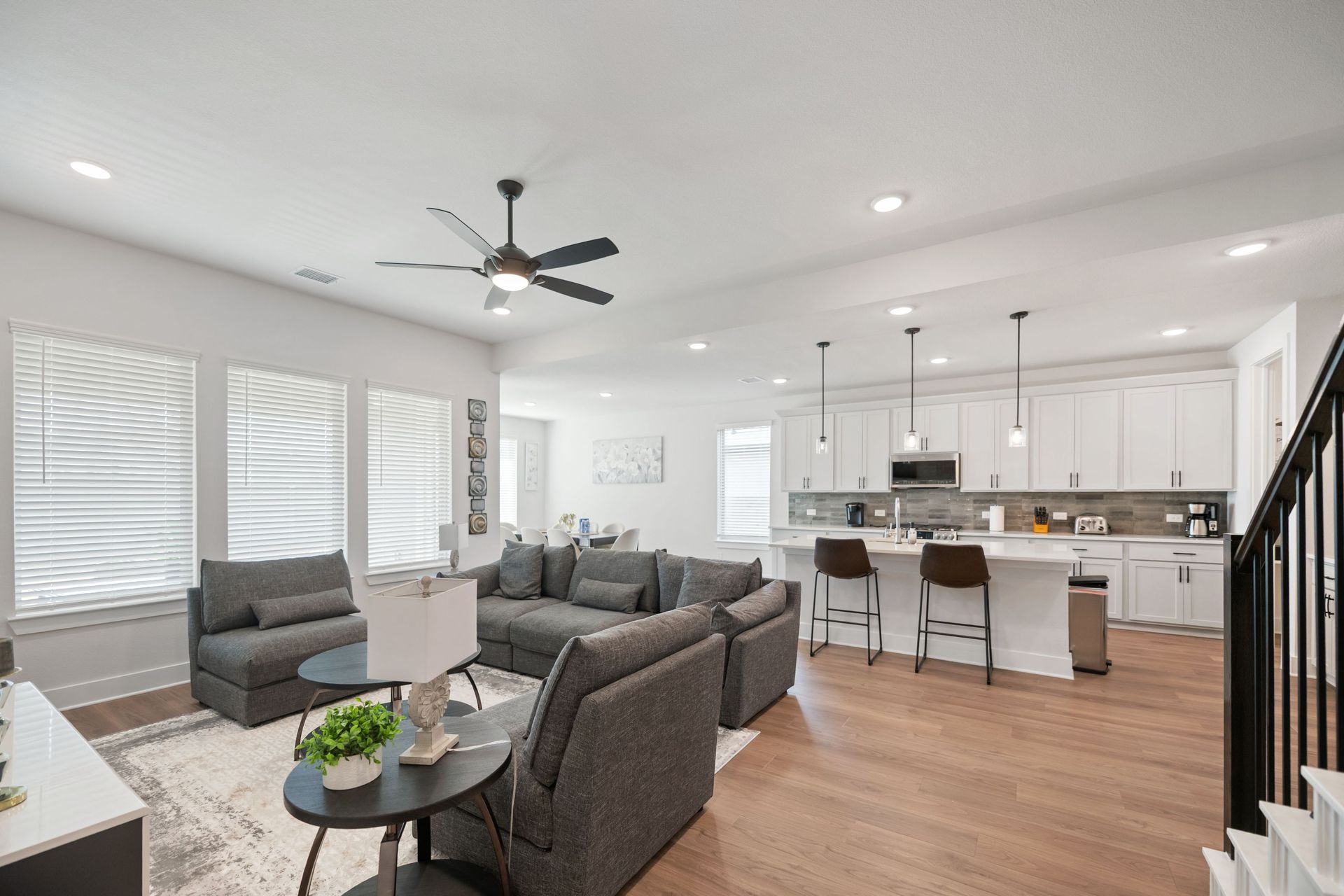
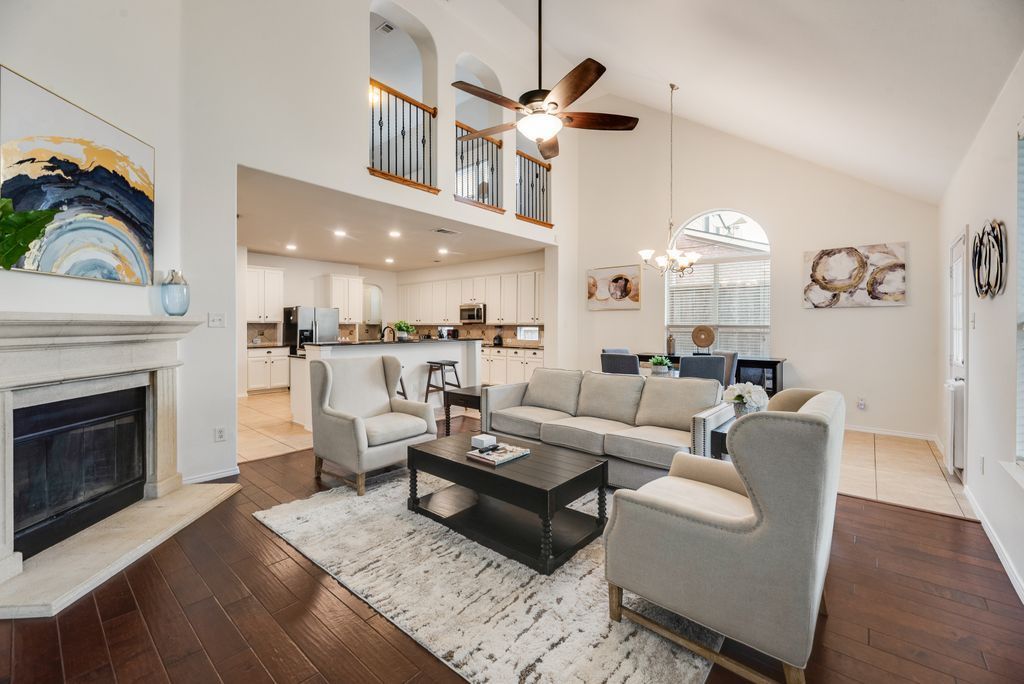
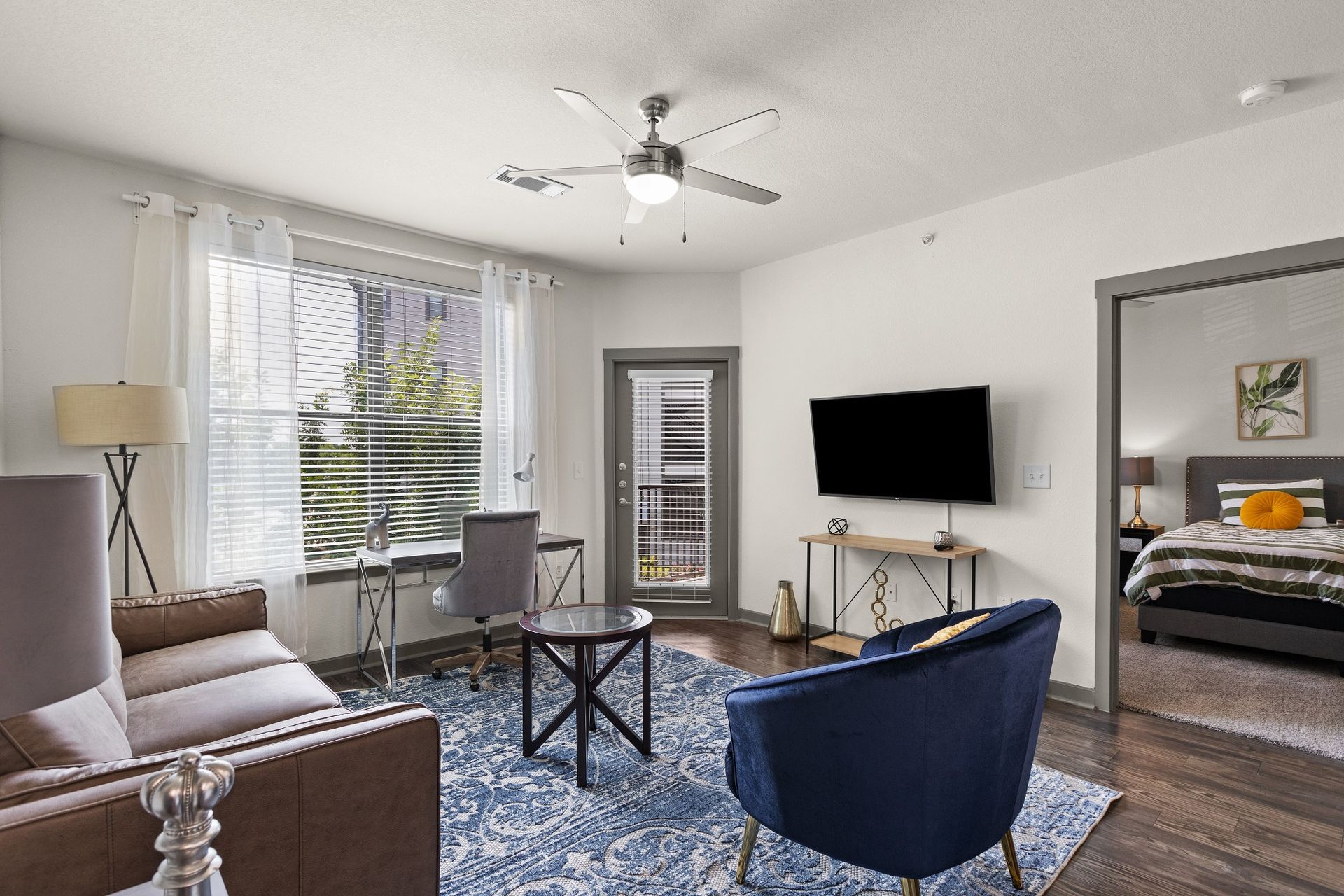
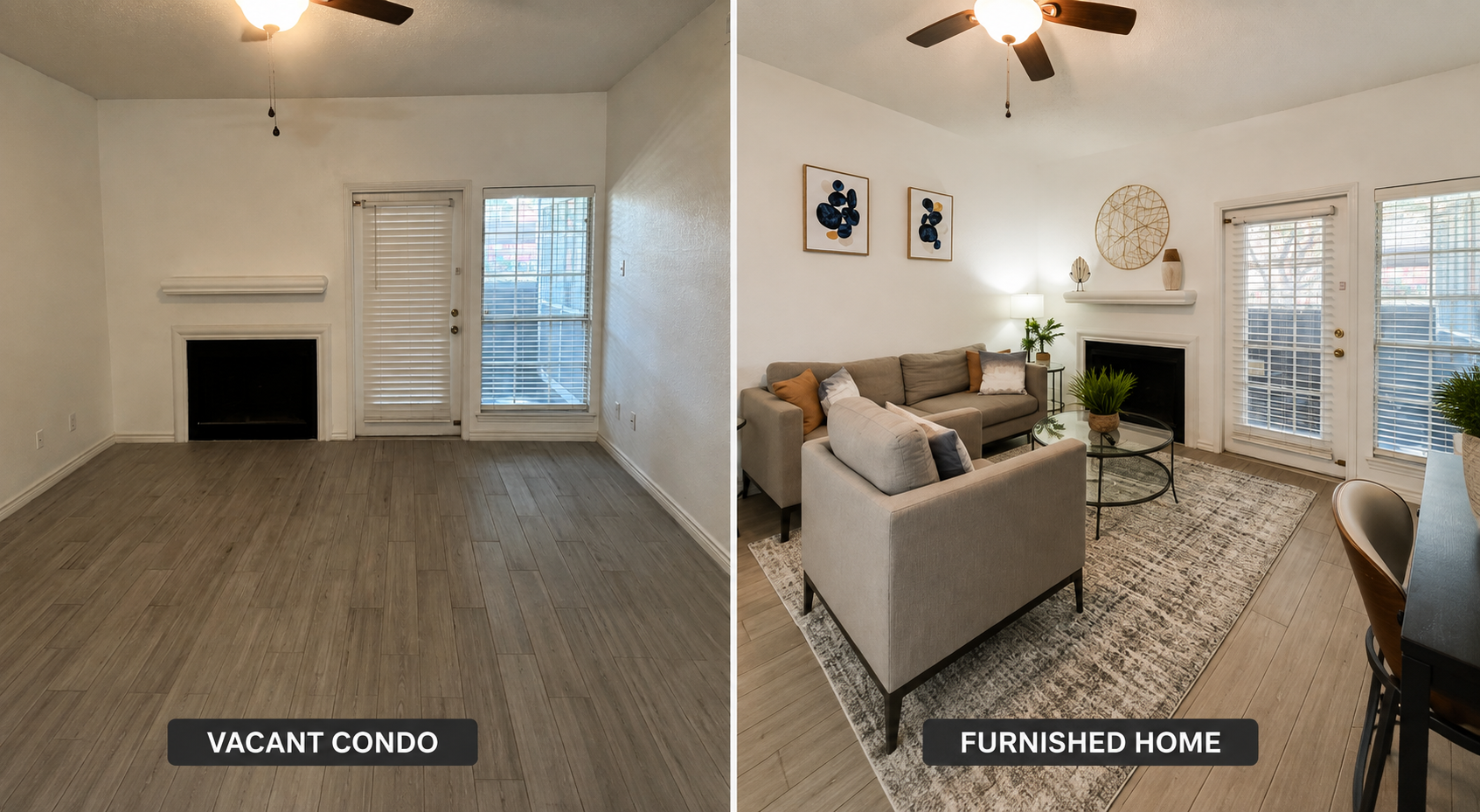
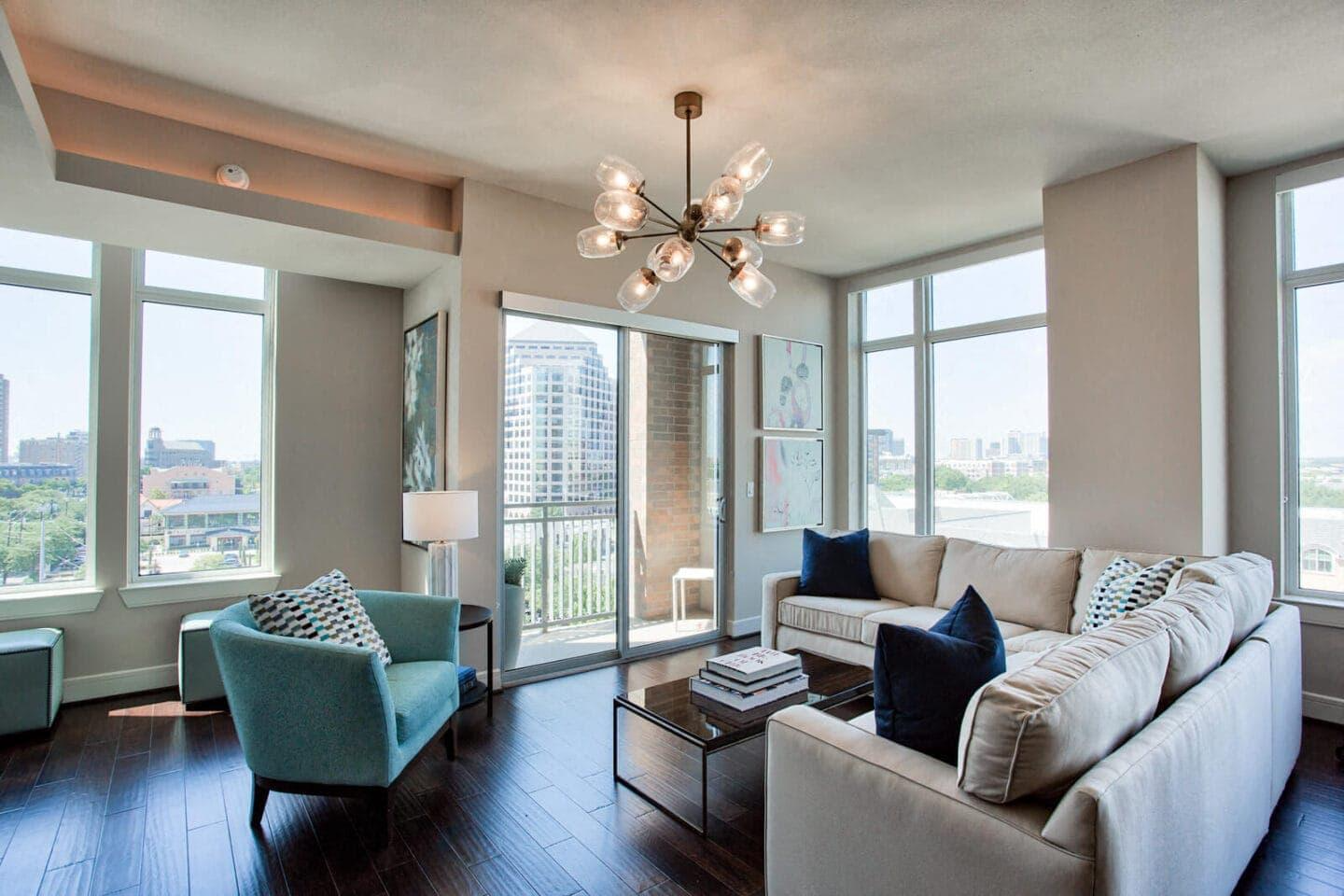
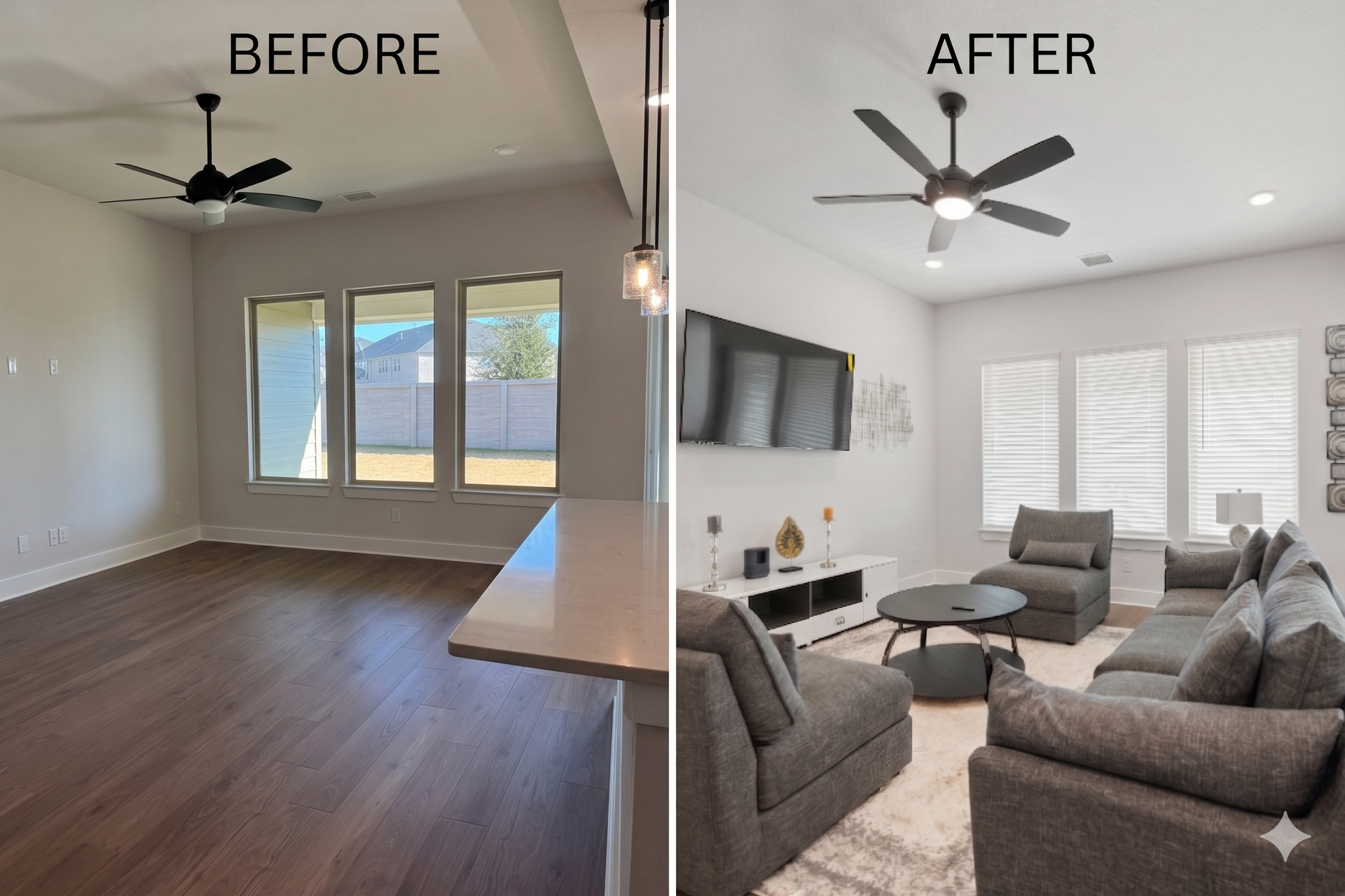
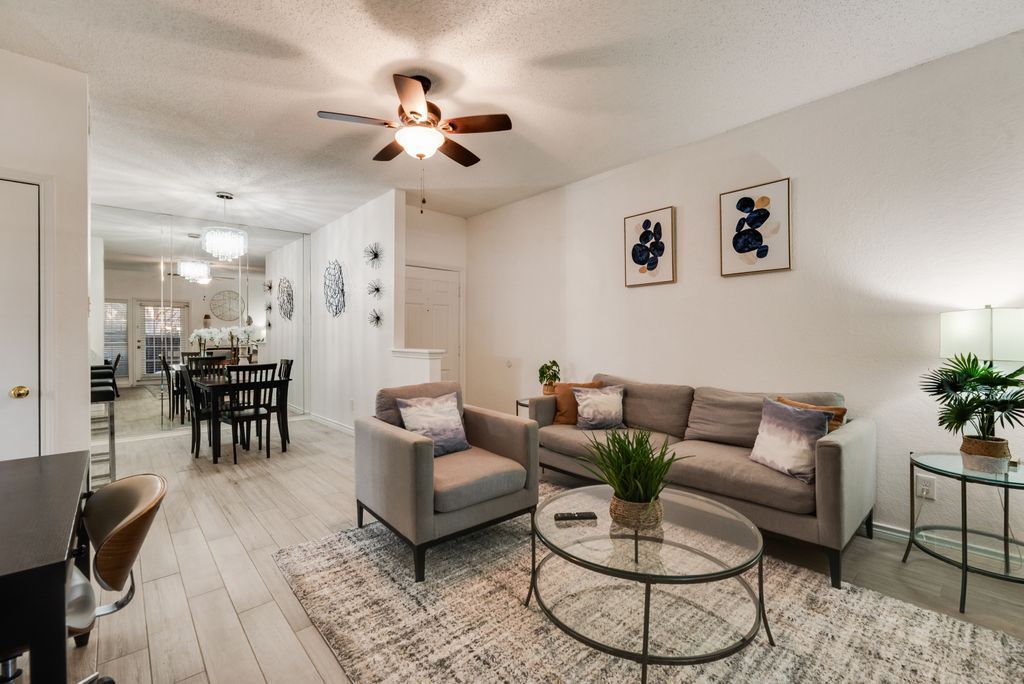
Furnished housing is a rental home that comes with the essentials for daily life: beds, sofas, a dining table, kitchenware, and often appliances, internet, and utilities. Terms range from a few weeks to a year or more. It sits between a hotel stay and a traditional unfurnished lease.
Why Is Demand Growing in 2026?
Three forces are driving it. First, work has become more mobile. Remote and hybrid workers, contractors, and traveling professionals often need a home for three to twelve months, and buying furniture for that stretch makes little sense.
Second, the cost of moving has risen. Furniture, transport, and setup add up, so many renters would rather pay a premium than build a home from scratch.
Third, renters now expect to move in quickly. After years of booking travel and services online, many want to view a place, sign digitally, and unlock the door within days.
What Are the Biggest Furnished Housing Trends?
Mid-term rentals are the growth story. Stays of one to six months have become the sweet spot. They suit relocating employees, students on placements, and people between homes. For owners, mid-term leases can offer steadier income than nightly bookings with far less turnover work.
Tenants want "work-ready" homes. A desk, a proper chair, reliable internet, and a quiet corner now matter as much as a good sofa. Listings that show a real workspace tend to stand out.
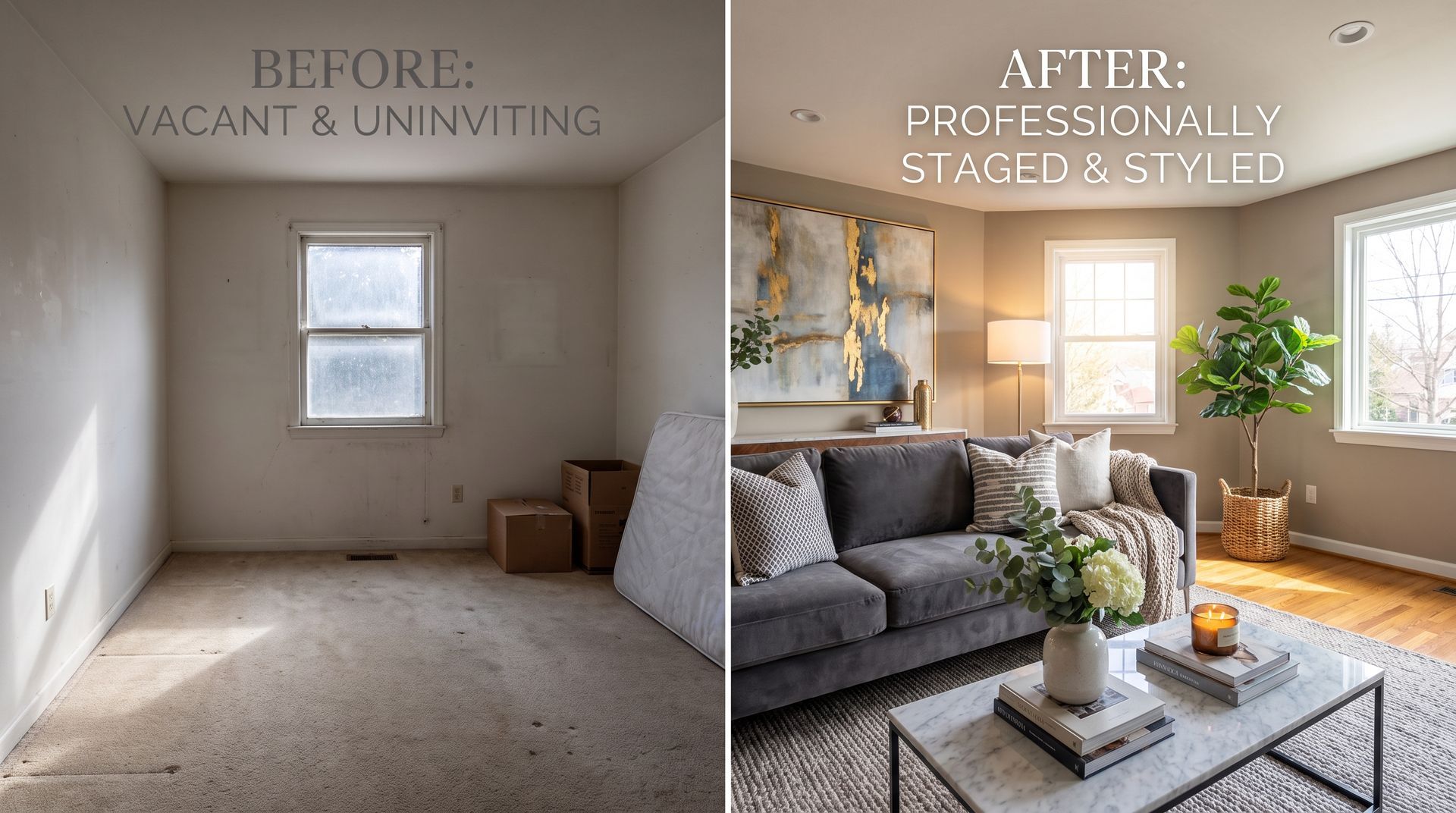
Design is getting simpler and more durable. Owners are choosing neutral palettes, washable fabrics, and mid-range furniture that survives frequent turnover. Expensive statement pieces are falling out of favor because they are harder to protect and replace.
Bundled pricing is becoming standard. Many landlords now offer one monthly price covering rent, utilities, internet, and cleaning. Tenants like the predictability, and owners can justify a higher headline rate.
Sustainability is entering the conversation. Reused or second-hand furniture, energy-efficient appliances, and low-waste supplies are increasingly used as selling points, especially with younger renters.
What Should Owners Know?
The first rule is to price the whole package, not just the space. A furnished unit should earn more than an unfurnished one, but the premium has to cover furniture depreciation, replacement, cleaning, and vacancy between tenants. Track these costs from day one so you can see your true return.
Second, put everything in writing. Include a dated inventory with photos, and spell out who is responsible for damage, wear, and replacement. Most disputes in furnished lets come from vague expectations about what was provided and in what condition.
Third, check local rules. Regulations on rental length, licensing, deposits, and tenant protections vary widely by city and country, and some places treat furnished and short-term lets differently from standard leases. Confirm the requirements where your property is located, and consider asking a local property lawyer.
Finally, invest in quality where it counts. Guests notice the mattress, the kitchen basics, and the internet speed far more than décor. Spending there usually improves reviews, renewals, and occupancy.
What Should Tenants Know?
Compare the total monthly cost, not the headline rent. A furnished home that includes utilities and internet may cost less than an unfurnished one once you add everything up. Ask what is included, what is extra, and how cleaning or maintenance is handled.
Read the inventory carefully and photograph the home when you arrive. This protects your deposit if someone later claims an item is damaged or missing.
Also ask about flexibility. Can you extend, shorten, or end the lease early, and at what cost? Furnished rentals often price flexibility into the rent, so make sure you are paying for what you will use.
FAQ
Is furnished housing more expensive? Usually yes, since rent covers furniture and often services. It can still be better value for short stays, when buying and moving furniture would cost more.
How long are furnished leases? Terms range from a few weeks to twelve months or more, with one to six months being the most popular for mid-term stays.
Who is responsible for damaged furniture? That depends on the lease. Normal wear is typically the owner's responsibility, while damage beyond it can be charged to the tenant. A signed inventory makes this much clearer.
The Bottom Line
Furnished housing in 2026 rewards clarity. Owners who price realistically, furnish for durability, and document everything can build reliable income. Tenants who compare total costs and inspect carefully can enjoy a smooth, flexible move. In both cases, a clear inventory and a well-written lease prevent most problems.