
Stop Chasing Renters: How Professional Management Helps You Find the Right Fit

Owning a rental property can be a great investment. Managing every detail yourself can be a different story.
The phone calls. The property tours. The questions about rent. The applications. The screening process. The follow-ups. And when something goes wrong, you're the person who gets the call.
For many property owners, finding a renter isn't the hardest part. Finding a dependable renter without spending countless hours managing the process is.
That is where professional rental management can make a difference.
Instead of handling every inquiry and application yourself, owners can have a structured process that markets the property, attracts appropriate prospects, screens applicants, and manages communication from the beginning.
The goal isn't simply to find someone willing to rent your property.
It's to create a process that helps identify renters who are a good fit while giving the owner back valuable time.
The Problem With Managing Everything Yourself
When a property is vacant, it can be tempting to respond to every inquiry immediately.
But not every inquiry deserves the same amount of attention.
Some prospects may not meet the property's income requirements. Others may have unrealistic expectations about the price or amenities. Some may simply be looking at several properties without being ready to rent.
Sorting through those inquiries can quickly become a second job.
Then there are showings to schedule, applications to review, documents to collect, questions to answer, and decisions to make.
For an owner with one or two properties, that responsibility can become particularly frustrating because rental management is competing with work, family, and other priorities.
Professional management creates separation between
owning the investment and handling every operational detail.
Your Property Should Help Attract the Right Audience
Finding better renters starts before the application.
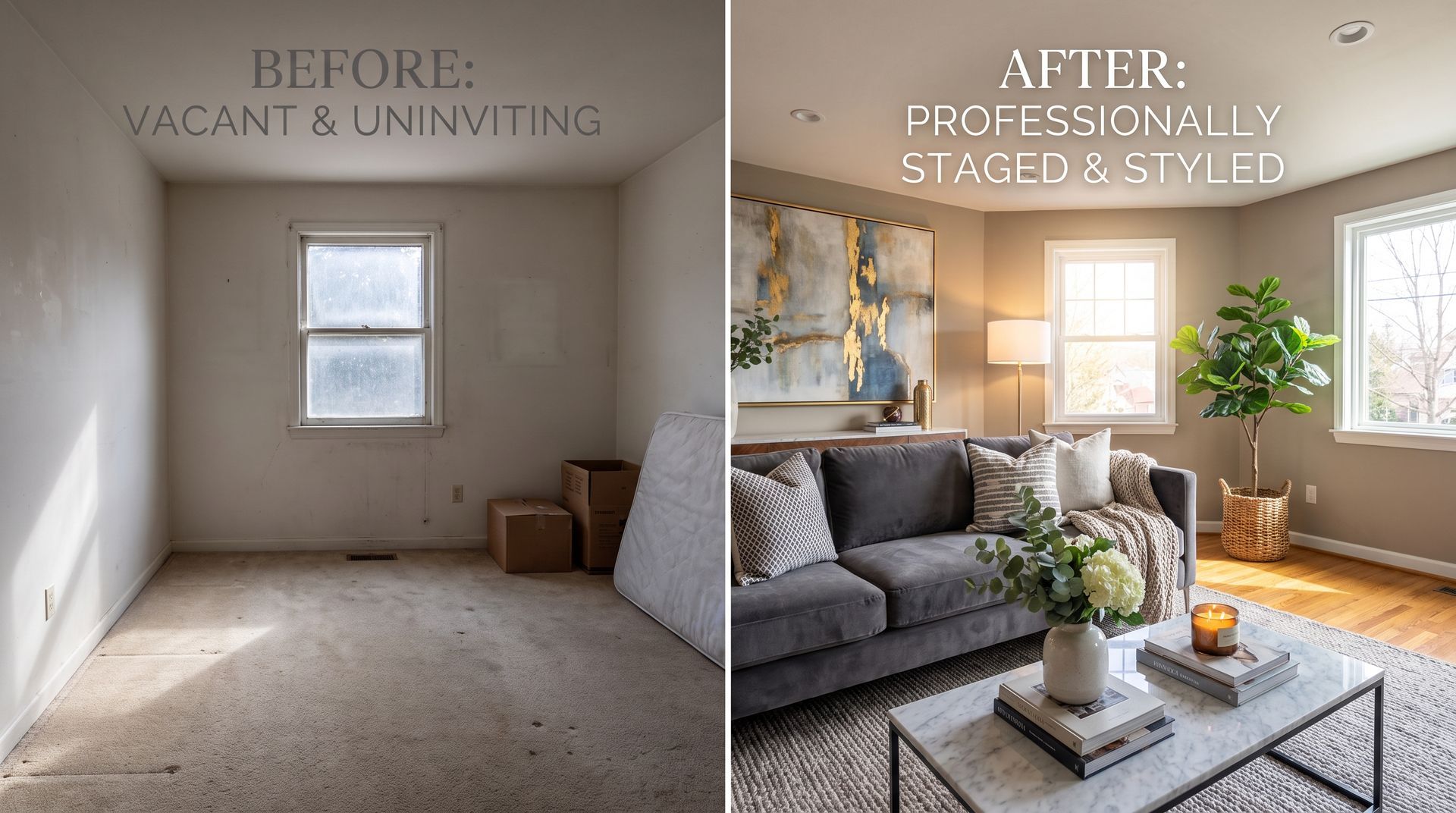
A property that is poorly photographed, poorly described, or incorrectly priced can attract the wrong audience and create unnecessary inquiries.
Professional property marketing takes a different approach.
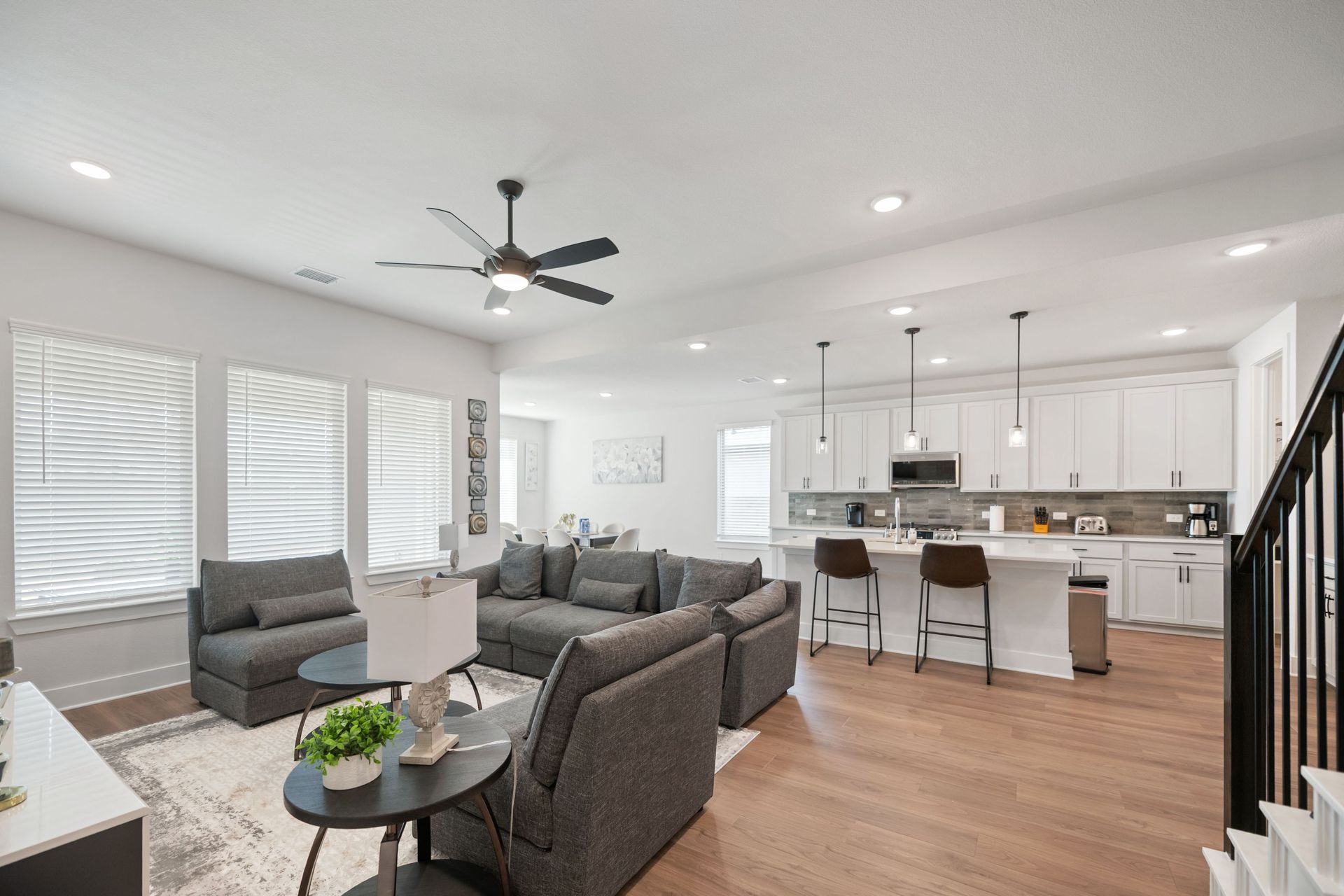
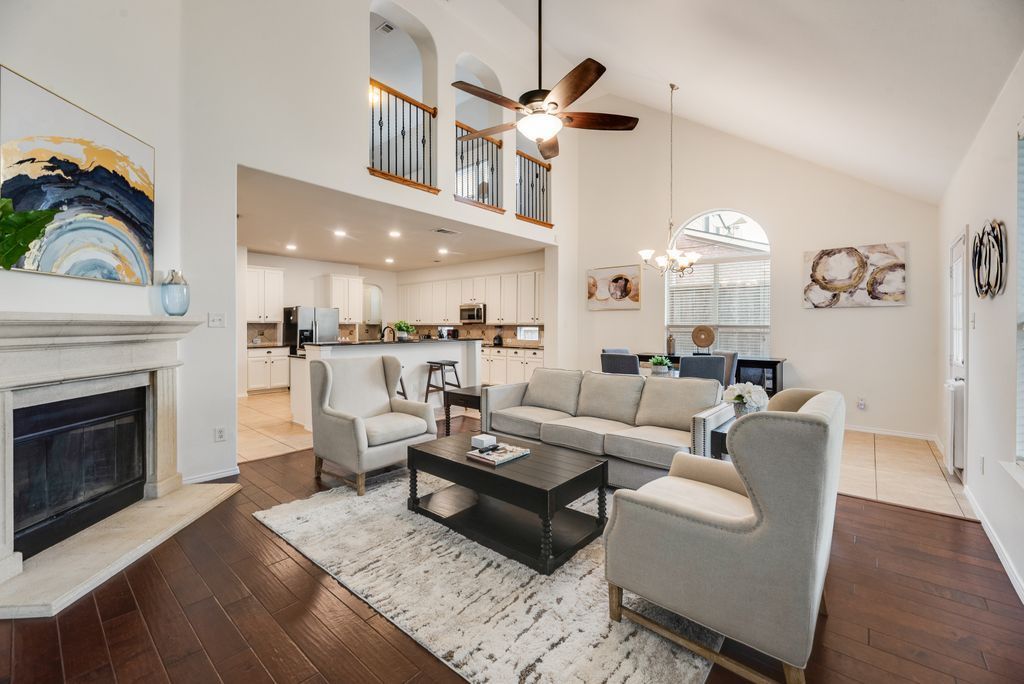
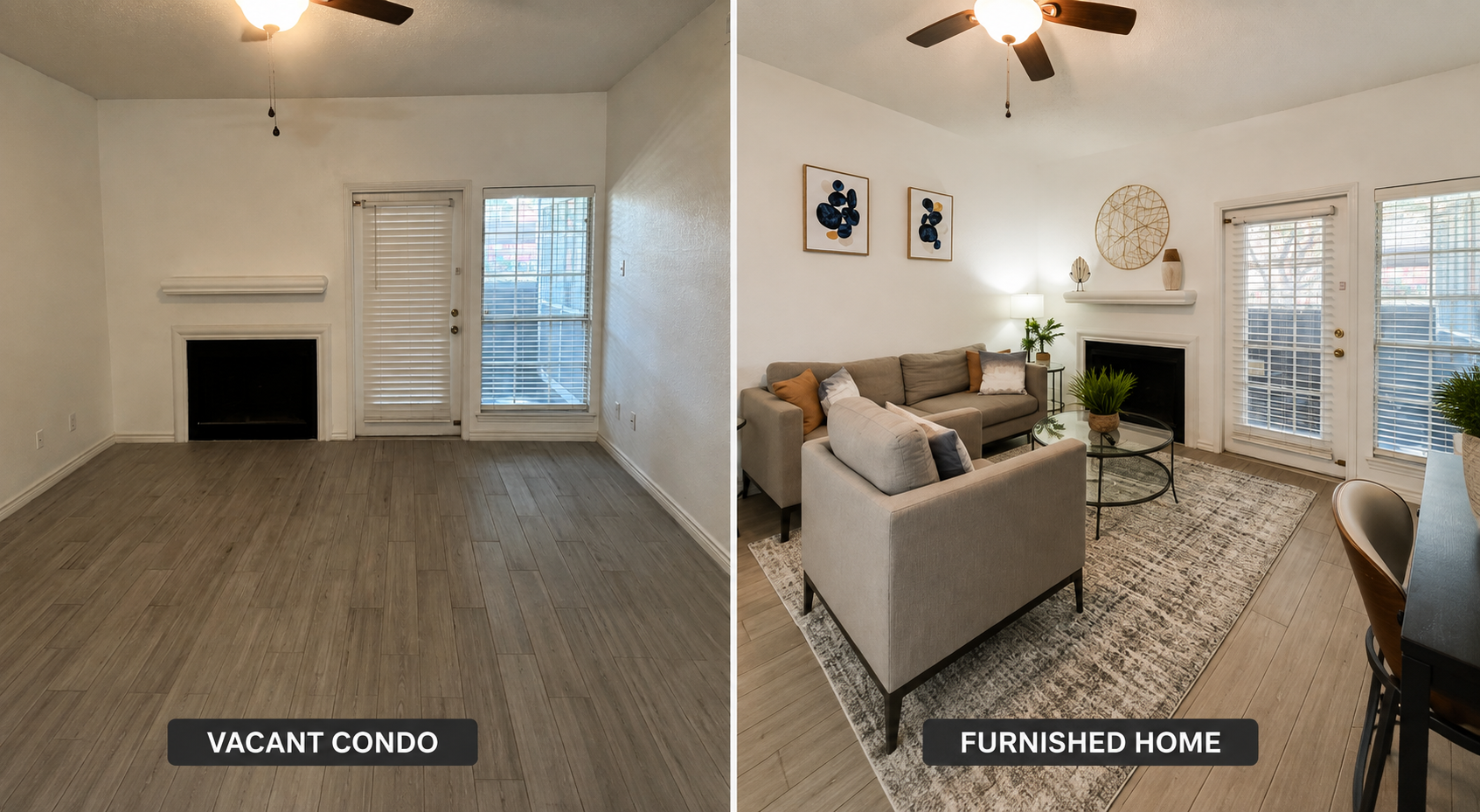
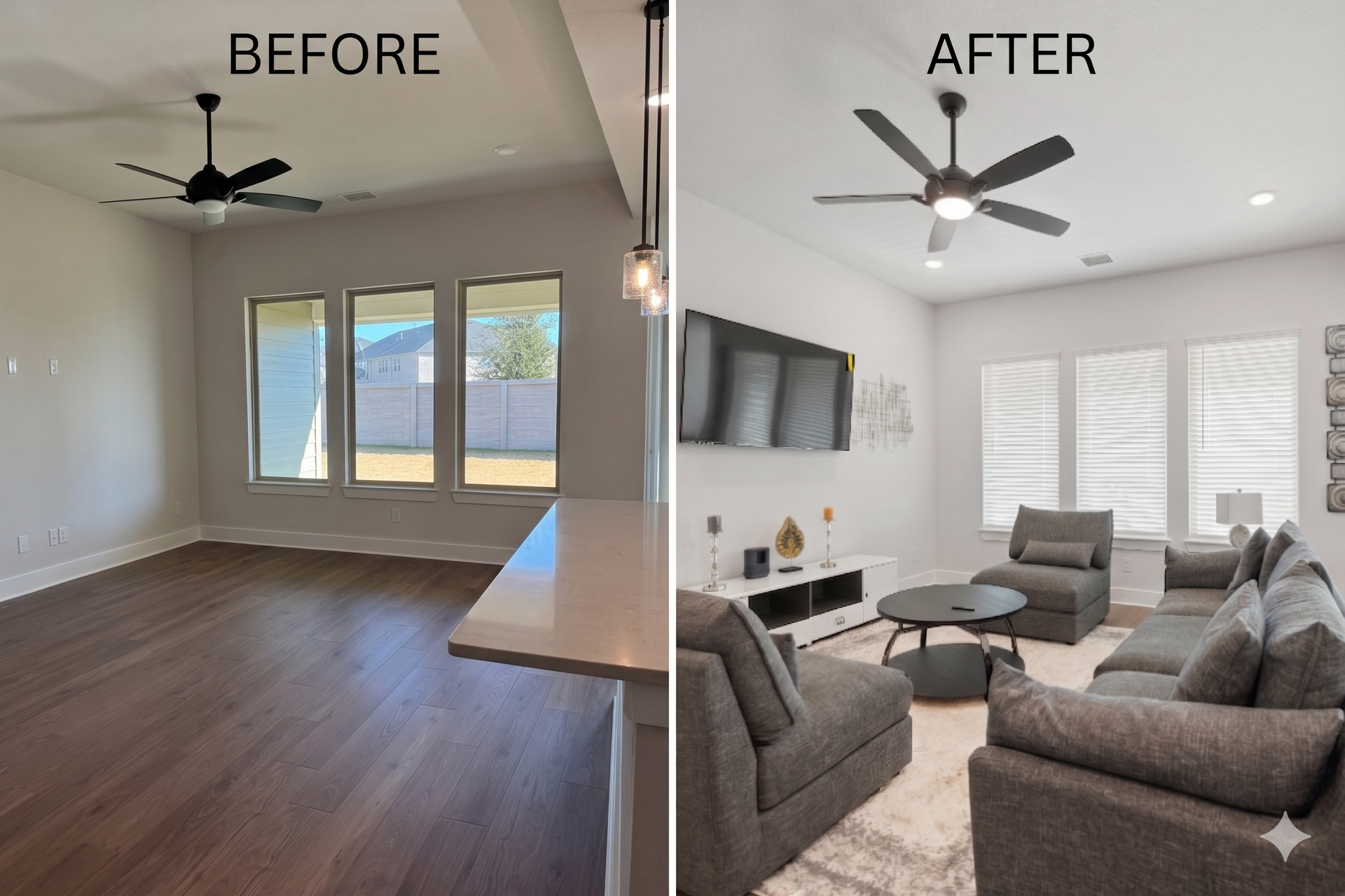
The property's location, condition, furnishings, amenities, and likely renter profile should influence how it is presented.
For example, a furnished home near major employment centers may be positioned toward corporate professionals or relocating employees. A fully equipped property may appeal to families needing temporary housing. A well-maintained furnished rental can also be positioned for insurance clients who need a comfortable place while their primary residence is unavailable.
The objective isn't to attract everyone.
It's to make the property's value clear to the people most likely to need it.
Screening Should Be Consistent
Once inquiries begin, the screening process becomes important.
A professional process can establish consistent requirements for applicants rather than relying on rushed decisions or informal conversations.
Depending on the property and applicable laws, screening may involve verifying income, reviewing credit and rental history, conducting background checks, confirming employment, and checking references where appropriate.
The important point is consistency.
Every applicant should be evaluated according to the same legitimate criteria, with applicable fair-housing and local requirements in mind.
Professional management doesn't eliminate risk. No screening process can guarantee that a renter will never miss a payment or cause damage.
What it can do is create a more organized process for evaluating applicants and documenting decisions.
Less Owner Involvement Doesn't Mean Less Control
Some property owners hesitate to hire a management company because they believe they will lose control of their investment.
In practice, professional management can provide the opposite.
The owner establishes the property's goals, rental requirements, financial expectations, and management agreement. The manager handles the day-to-day process within those guidelines.
That can mean fewer interruptions without giving up visibility.
Instead of answering every inquiry, an owner can receive qualified updates. Instead of coordinating every showing, the management team can handle scheduling. Instead of chasing documents from applicants, the manager can oversee the application process.
The owner remains the decision-maker while someone else handles the operational workload.
Furnished Rentals Require Even More Attention
The need for professional management can be even greater with furnished and temporary rentals.
These properties often involve more than collecting monthly rent.
Furniture must be maintained. Utilities and amenities may need attention. Guests or tenants may have questions about the home. Turnovers require coordination. Cleaning and inspections need to happen between stays.
The renter may also have a specific reason for needing temporary housing, such as relocation, a work assignment, home renovation, or an insurance claim.
Understanding those needs helps determine whether the property is appropriate for the renter and whether the rental arrangement is likely to work for both parties.
The Real Benefit Is Time
For many owners, the biggest advantage of professional management isn't simply having someone else answer the phone.
It's getting back the time required to run everything yourself.
Imagine receiving a message about a vacant property and knowing there is already a process for handling it.
The property is marketed.
Inquiries are responded to.
Showings are coordinated.
Applications are processed.
Applicants are screened according to established criteria.
Communication is managed.
You can stay informed without having to personally manage every step.
That is what a more hands-off rental strategy should look like.
Build a System Instead of Chasing Every Lead
Reliable rental management isn't about finding a magical way to guarantee a perfect renter.
It is about building a better system.
The right property positioning attracts an appropriate audience. Clear requirements reduce unsuitable inquiries.
Consistent screening helps evaluate applicants. Professional communication creates a better experience. Ongoing management helps protect the property after move-in.
For property owners, that can mean fewer interruptions and more confidence in the process.
At Furnished Housing Consultants, we help property owners market, position, and manage furnished rentals with the goal of attracting appropriate renters while reducing the day-to-day burden of managing the property themselves.
You invested in the property to build an asset—not to create another full-time job.
A professional management process can help you stay involved in the decisions that matter while leaving the daily rental workload to experienced professionals.
FAQ
How does property management help owners find reliable renters?
Professional property management typically combines targeted property marketing, inquiry management, application processing, and consistent tenant screening. This creates a structured process for evaluating prospective renters instead of relying on informal or rushed decisions.
What does a property manager do during tenant screening?
Depending on the property and applicable requirements, a property manager may coordinate income and employment verification, credit and background screening, rental history reviews, and references. Screening criteria should be applied consistently and in accordance with applicable fair-housing and local laws.
Can professional management reduce the stress of owning a rental property?
Yes. One of the primary benefits is reducing the amount of day-to-day work handled directly by the owner. A management team can coordinate marketing, inquiries, showings, applications, renter communication, maintenance, and other operational responsibilities.
Is professional management useful for furnished rentals?
It can be particularly useful because furnished rentals often require additional coordination. Furniture, utilities, cleaning, inspections, turnovers, and renter needs all require attention. Professional management can help coordinate these responsibilities while maintaining a consistent experience for renters.
Does hiring a property manager mean giving up control of my property?
Not necessarily. The owner can establish expectations, rental requirements, financial goals, and other management parameters through the management agreement. The property manager then handles agreed-upon responsibilities while keeping the owner informed about important decisions and developments.
What is the biggest advantage of a hands-off rental strategy?
For many owners, the biggest advantage is time. A structured management process allows owners to remain involved in important decisions without having to personally handle every inquiry, showing, application, maintenance request, or renter communication.