

How to Furnish a Rental Property on a Budget Without Sacrificing Quality
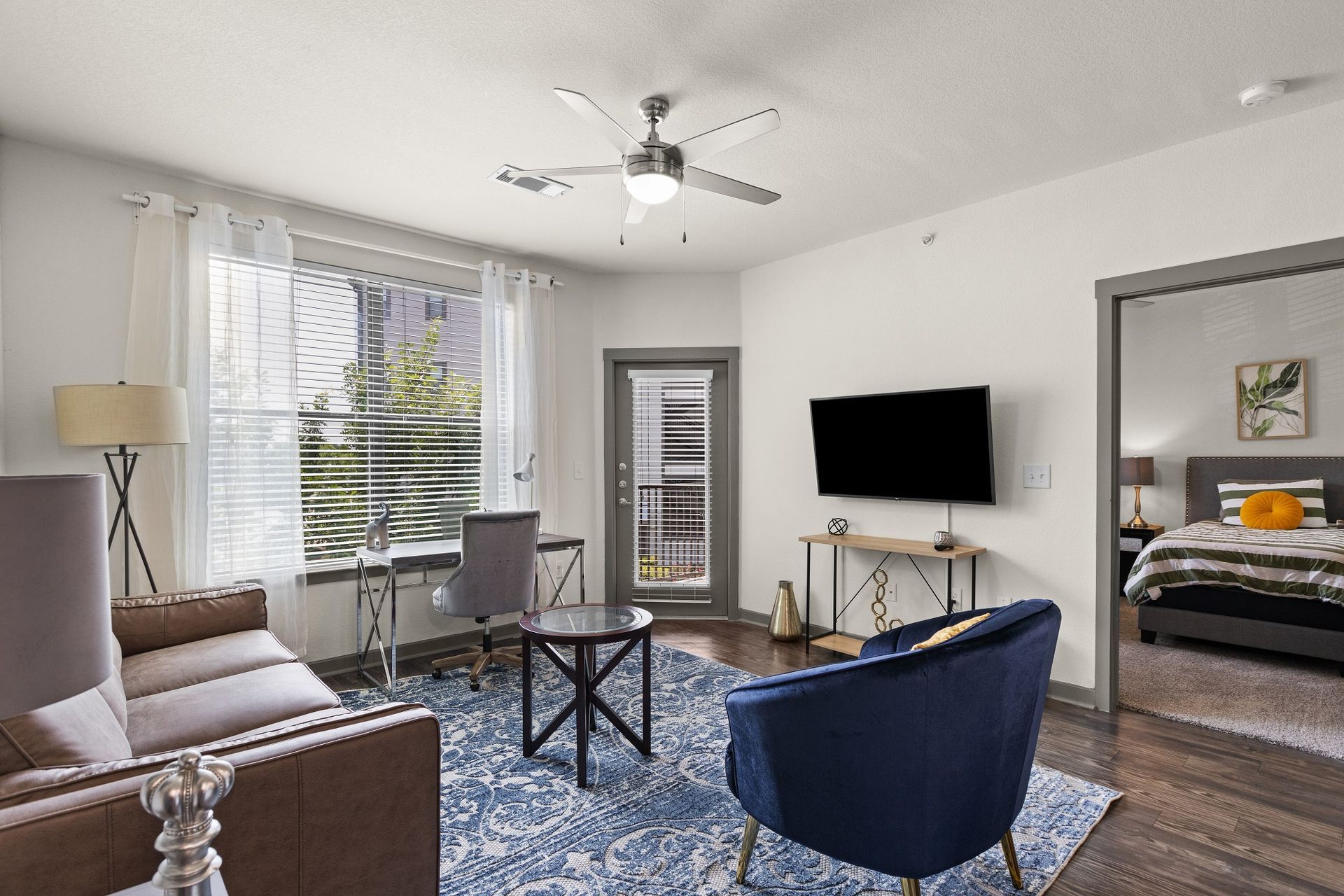
Furnishing a rental property does not have to drain your budget. Whether you are preparing a furnished apartment for corporate travelers, insurance-displaced families, or long-term tenants, the goal is to create a comfortable, attractive, and functional living space without overspending.
The secret is to focus on durable furniture, practical design, and strategic purchasing rather than buying the cheapest items available. Quality furnishings can improve tenant satisfaction, reduce replacement costs, and help your property stand out in a competitive rental market.
For property owners and investors, especially those entering the furnished rental market, the right furnishing strategy can make a meaningful difference in profitability.
1. Start With a Realistic Furnishing Budget
Before purchasing furniture, determine how much you can comfortably invest in the property. Your budget should reflect the property's size, target tenant, location, and expected rental income.
A one-bedroom apartment designed for a traveling professional will require different furnishings from a three-bedroom home intended for a family displaced by an insurance claim.
Create a list of essential items for each room, including the living room, bedrooms, kitchen, and bathrooms. Include delivery, assembly, installation, and basic household supplies in your calculations. These additional expenses can quickly increase the total cost if you overlook them.
Prioritize essential furnishings first. A comfortable bed, sofa, dining table, functional lighting, window coverings, and kitchen essentials are more important than decorative accessories.
Practical tip: Set aside a small contingency fund for unexpected expenses and replacement items. A realistic budget helps you avoid unnecessary purchases and maintain control over furnishing costs.
2. Invest in Quality Where It Matters Most
Budget-friendly furnishing does not mean choosing the cheapest furniture available. Low-quality items may save money initially but can become expensive when they require frequent repairs or replacement.
Focus your spending on items that experience regular use. Mattresses, sofas, dining chairs, bed frames, and frequently used kitchen equipment deserve particular attention.
Choose furniture with sturdy frames, durable upholstery, washable covers where possible, and easy-to-clean surfaces. Neutral colors can also help conceal minor wear and make replacement pieces easier to coordinate.
For example, a well-constructed sofa in a neutral fabric can serve several different tenants over the years. An inexpensive sofa that quickly loses its shape may need replacing after only a short period of use.
For furnished rentals, the real cost of furniture includes its purchase price, maintenance, expected lifespan, and eventual replacement. Spending slightly more on durable essentials can reduce your long-term operating expenses.
3. Buy Secondhand Strategically and Shop for Discounts
One of the easiest ways to furnish a rental property on a budget is to combine new essentials with carefully selected secondhand furniture.
Thrift stores, estate sales, furniture outlets, local online marketplaces, and clearance sections can offer substantial savings. Solid wood tables, bookshelves, dressers, and occasional chairs are often worth considering when they are structurally sound.
Inspect secondhand items carefully before purchasing. Check for loose joints, damaged frames, persistent odors, water damage, and signs of pests. For upholstered furniture and mattresses, hygiene and pest risks deserve particular attention. Buying new mattresses and other critical sleep items is often the safer choice.
Timing also matters. Compare prices across several sellers, look for seasonal promotions, and ask retailers whether they offer discounts for purchasing multiple items.
Avoid buying something simply because it is cheap. An unsuitable piece that does not fit the property or meet tenants' needs is money wasted.
4. Choose Multifunctional Furniture
Multifunctional furniture is especially valuable in smaller apartments and furnished corporate housing, where every square foot needs to serve a purpose.
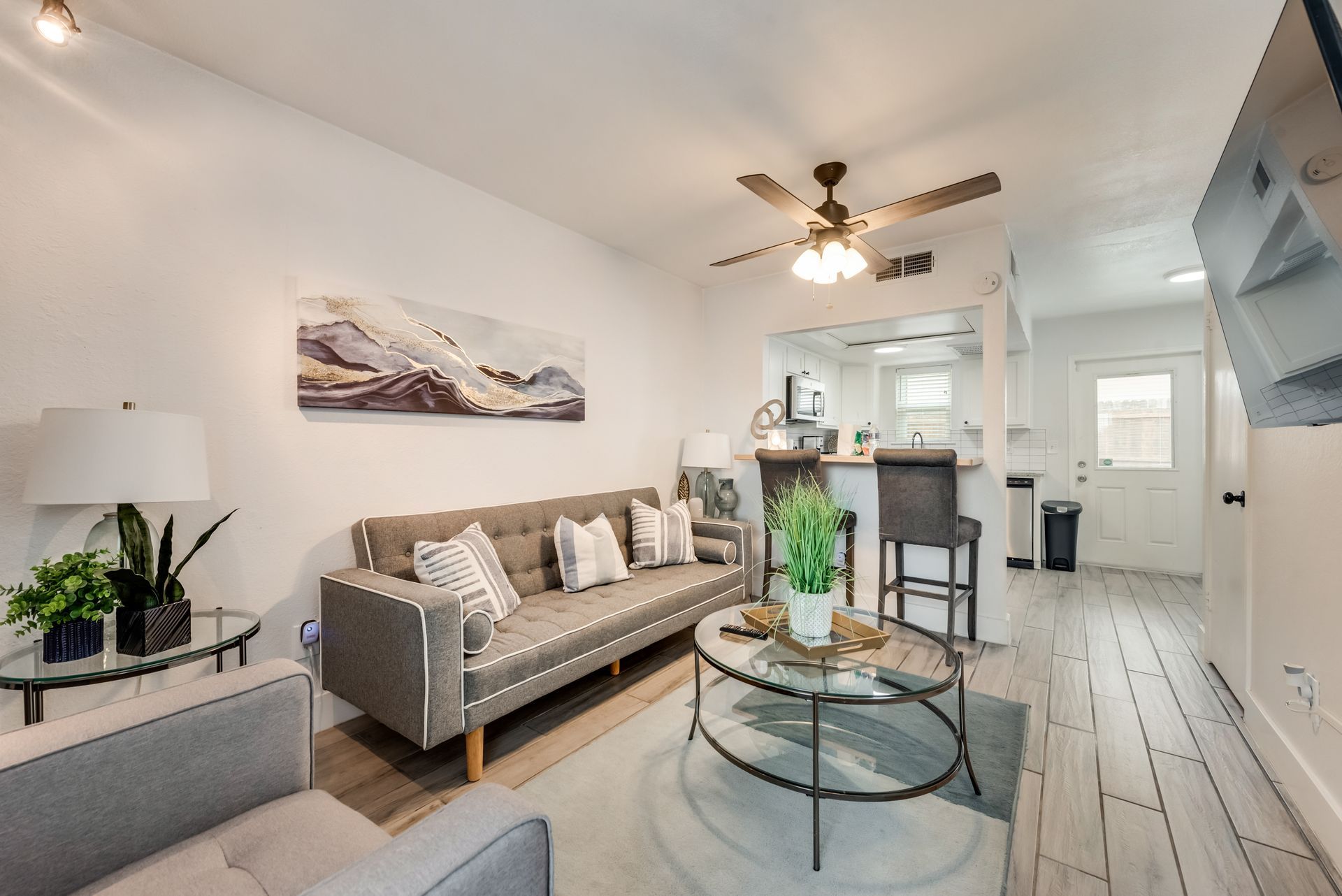
Consider a sofa bed for a flexible guest room, a dining table that doubles as a workspace, or a bed frame with built-in storage. Nesting tables and compact desks can also improve functionality without overcrowding a room.
However, functionality should not come at the expense of durability. Moving parts, hinges, and folding mechanisms should be sturdy enough for repeated use.
Before purchasing large furniture, measure the room, doorways, staircases, and hallways. A sofa that cannot fit through the entrance can create unexpected delivery costs and delays.
The objective is to furnish the property with fewer, more useful pieces rather than filling every available space.
5. Create a Cohesive Look Without Expensive Decor
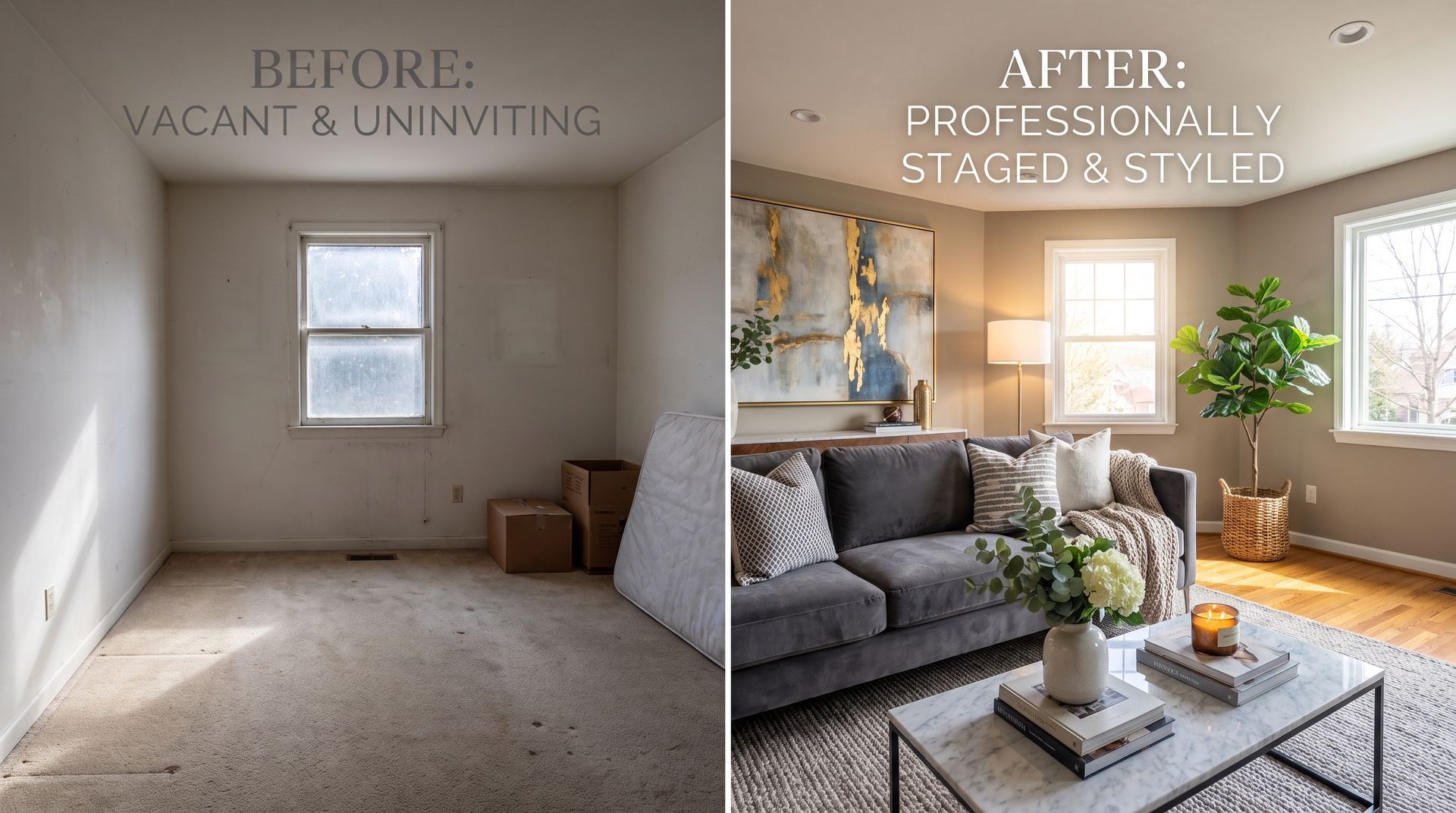
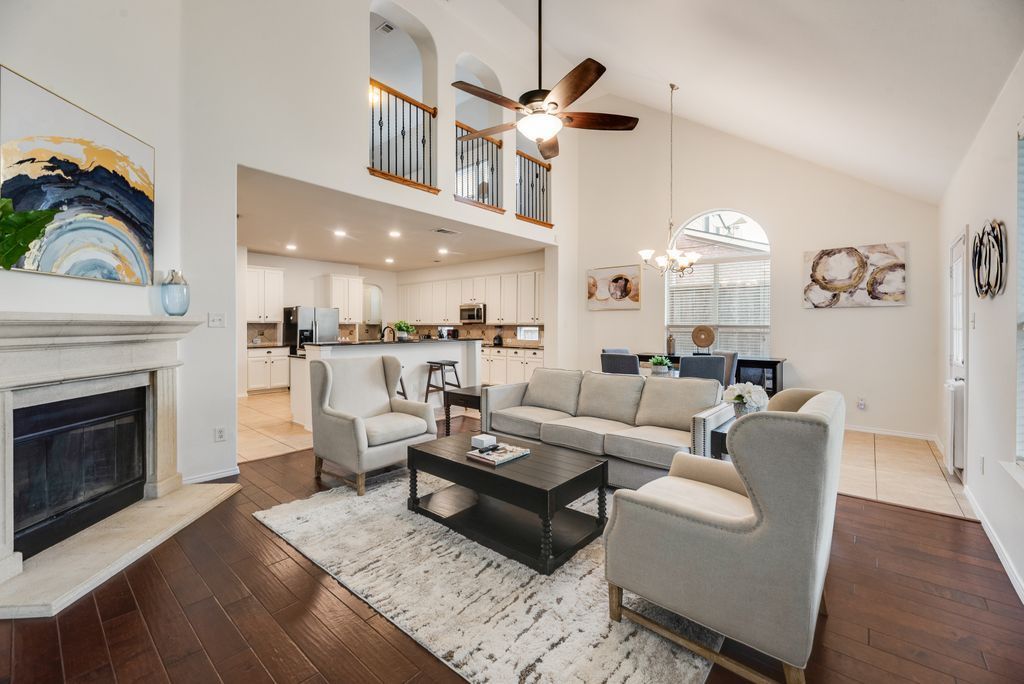
A professionally furnished rental should feel welcoming, clean, and organized. Achieving this look does not require expensive artwork, designer accessories, or elaborate interior decoration.
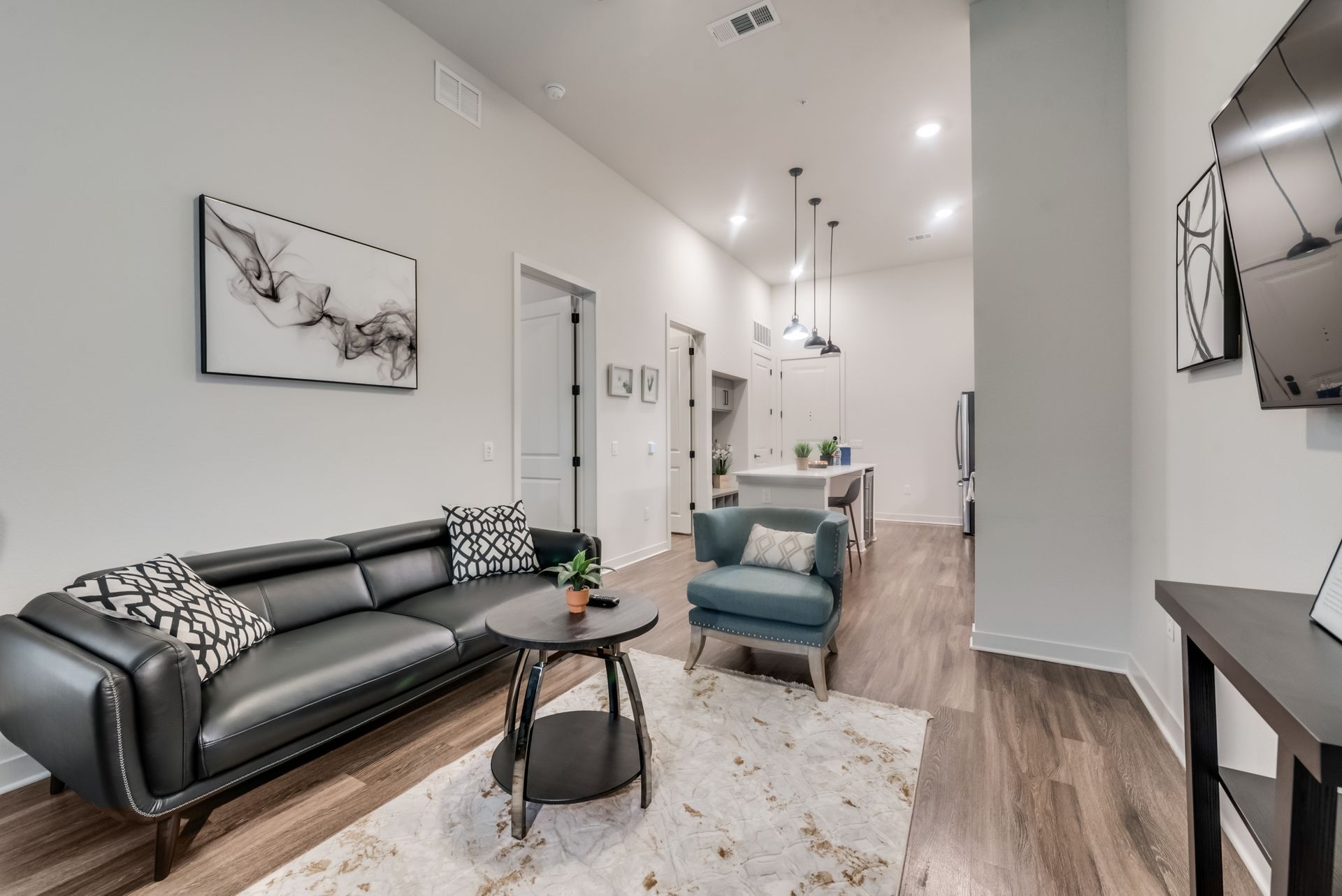
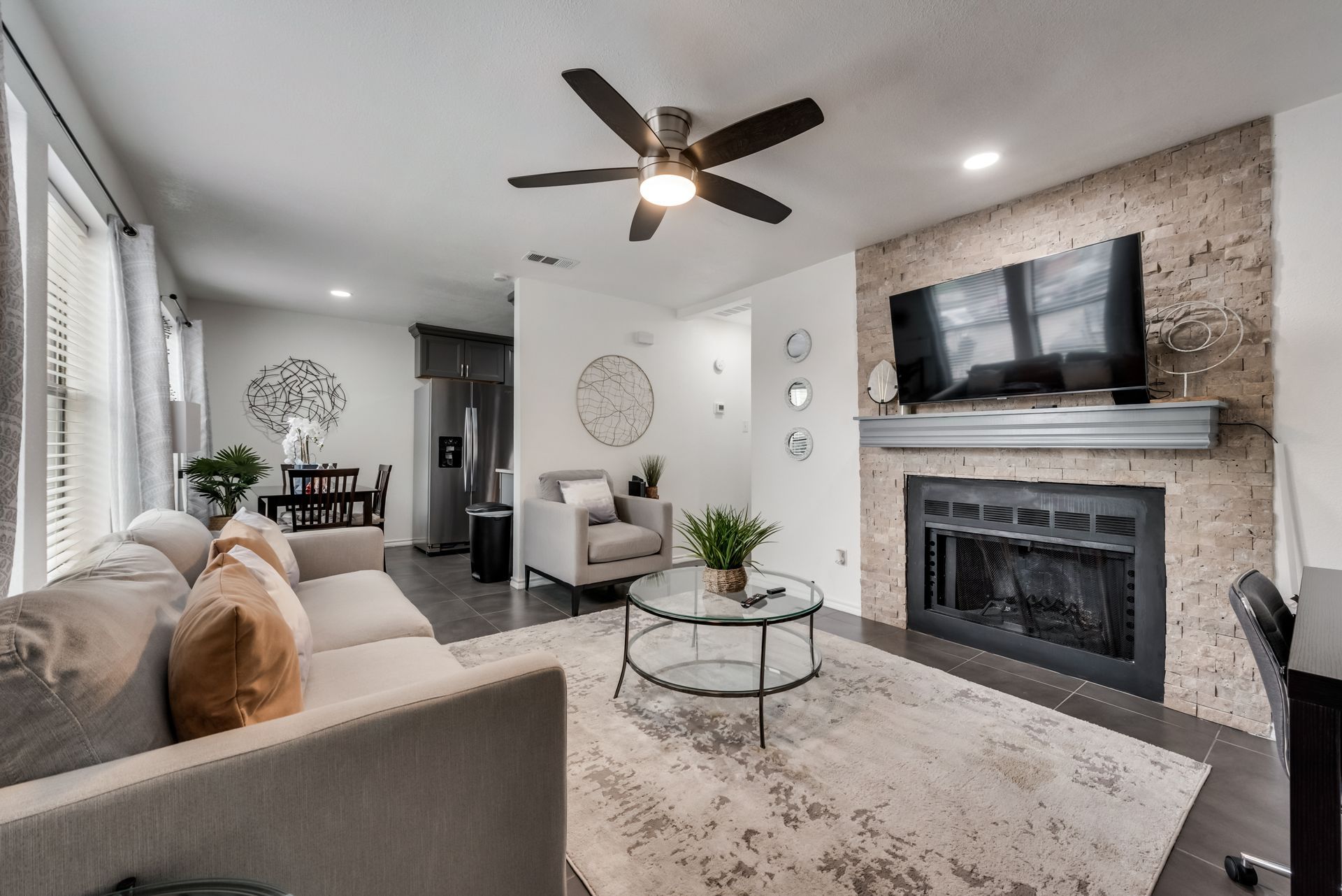
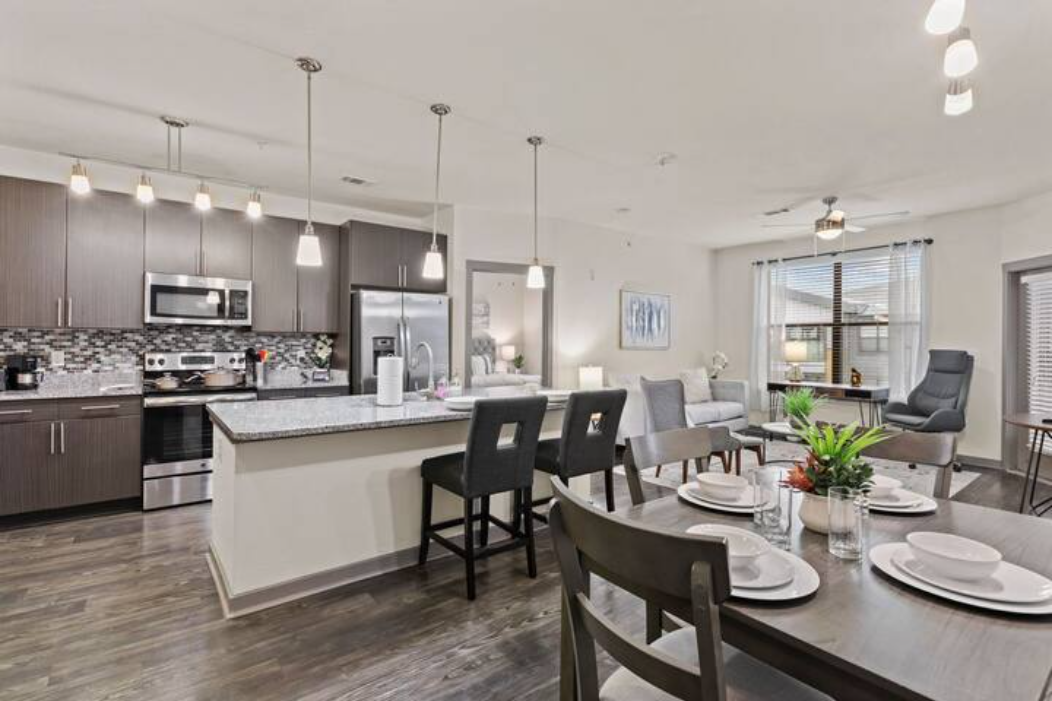
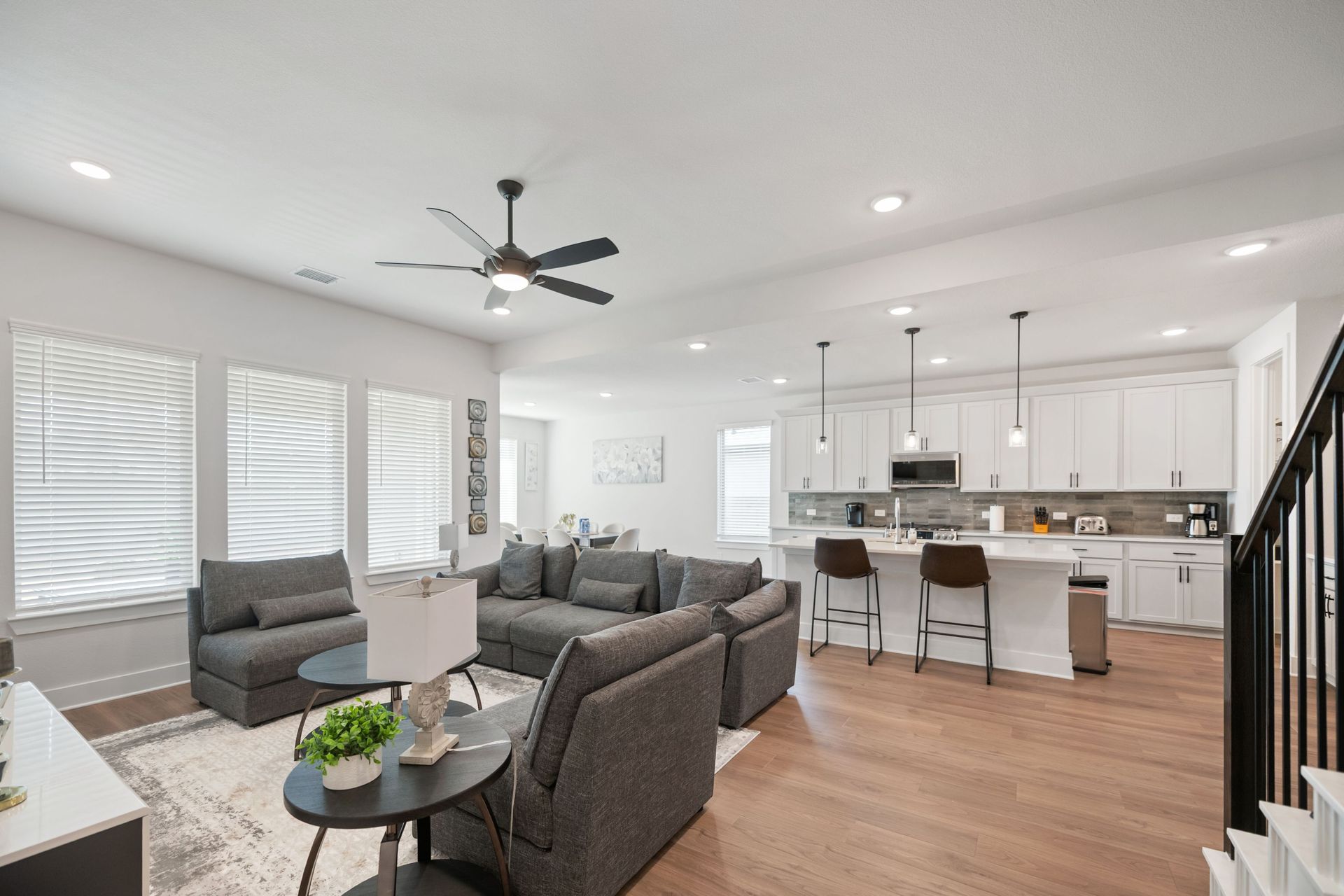
Start with a consistent color palette. Neutral walls, coordinated bedding, simple curtains, and complementary furniture create a polished appearance that appeals to a broad range of tenants.
Use affordable accessories strategically. Throw pillows, rugs, framed prints, mirrors, and indoor plants can add personality without requiring a major investment.
Lighting is equally important. Combine functional overhead lighting with bedside lamps or floor lamps to make the space more comfortable and inviting.
Avoid excessive decoration. Too many accessories increase cleaning time, create clutter, and introduce additional items that can become damaged or go missing between tenants.
A simple, coordinated design often looks more professional than a room filled with unrelated furniture and decorative pieces.
6. Prioritize Tenant Comfort and Everyday Essentials
A furnished property must do more than look attractive in photographs. It should support the tenant's everyday routine.
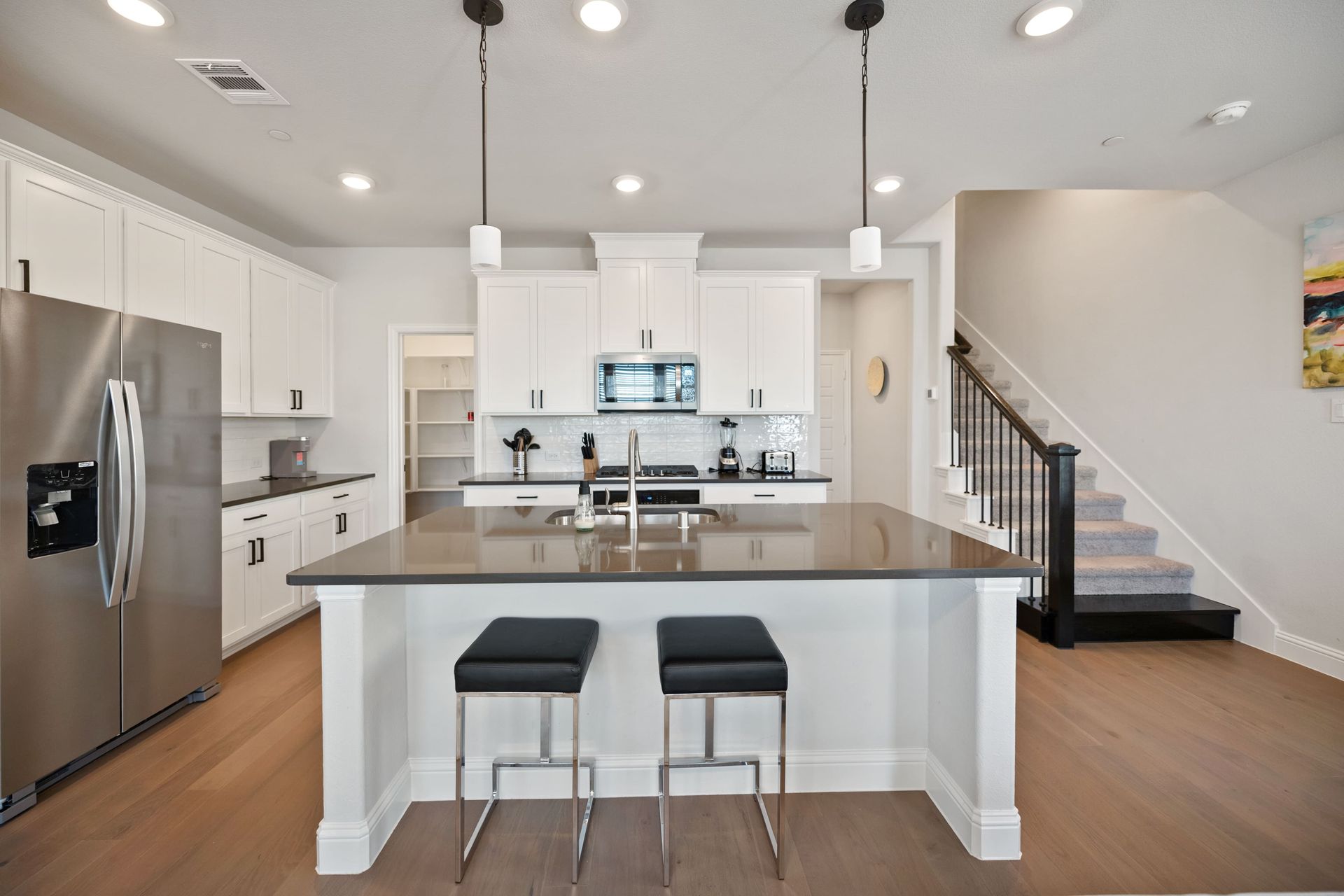
Provide comfortable bedding, sufficient storage, reliable appliances, functional kitchen equipment, adequate lighting, and practical bathroom accessories. For corporate travelers and insurance-displaced families, dependable Wi-Fi, a usable workspace, and convenient laundry facilities may also be important, depending on the property and target market.
Cleanliness and maintenance are equally essential. Furniture should be in good condition, appliances should work properly, and all rooms should be ready for immediate occupancy.
Before advertising the property, walk through it as if you were the tenant. Check whether there is somewhere comfortable to sleep, prepare meals, store belongings, work, and relax.
This final inspection can reveal inexpensive improvements that significantly enhance the tenant experience.
7. Think About Long-Term Return on Investment
Furnishing decisions should support the property's financial performance, not just its initial appearance.
A lower furnishing cost can improve your starting position, but the best investment is one that balances affordability, durability, tenant appeal, and maintenance requirements.
For example, a property furnished with durable essentials and easy-to-maintain finishes may experience fewer replacement expenses than one filled with low-cost items that deteriorate quickly.
For furnished rental owners, track furniture purchases, repairs, replacements, and other furnishing-related expenses. Reviewing these costs alongside occupancy rates and rental income helps you identify where spending is worthwhile and where savings are possible.
Remember that higher-quality furnishings do not automatically guarantee higher rental income. Location, demand, property condition, pricing, and the quality of property management also influence performance.
Furnishing a rental property on a budget is about making informed decisions, not cutting corners. By setting a realistic budget, investing in durable essentials, shopping strategically, choosing multifunctional furniture, and focusing on tenant comfort, you can create an attractive and functional rental without overspending.
For property owners considering furnished corporate housing or temporary accommodation, a thoughtful furnishing plan can help protect your investment while creating a better experience for tenants.
The best approach is simple: buy what your tenants need, choose items that can withstand regular use, and spend where quality makes a measurable difference.
Looking to maximize the potential of your furnished rental property? Furnished Housing Consultants helps property owners explore furnished rental management and marketing solutions designed to improve property presentation, attract suitable tenants, and support more efficient rental operations.
Contact
Furnished Housing Consultants to discuss how professional furnished housing management can help you make the most of your property.