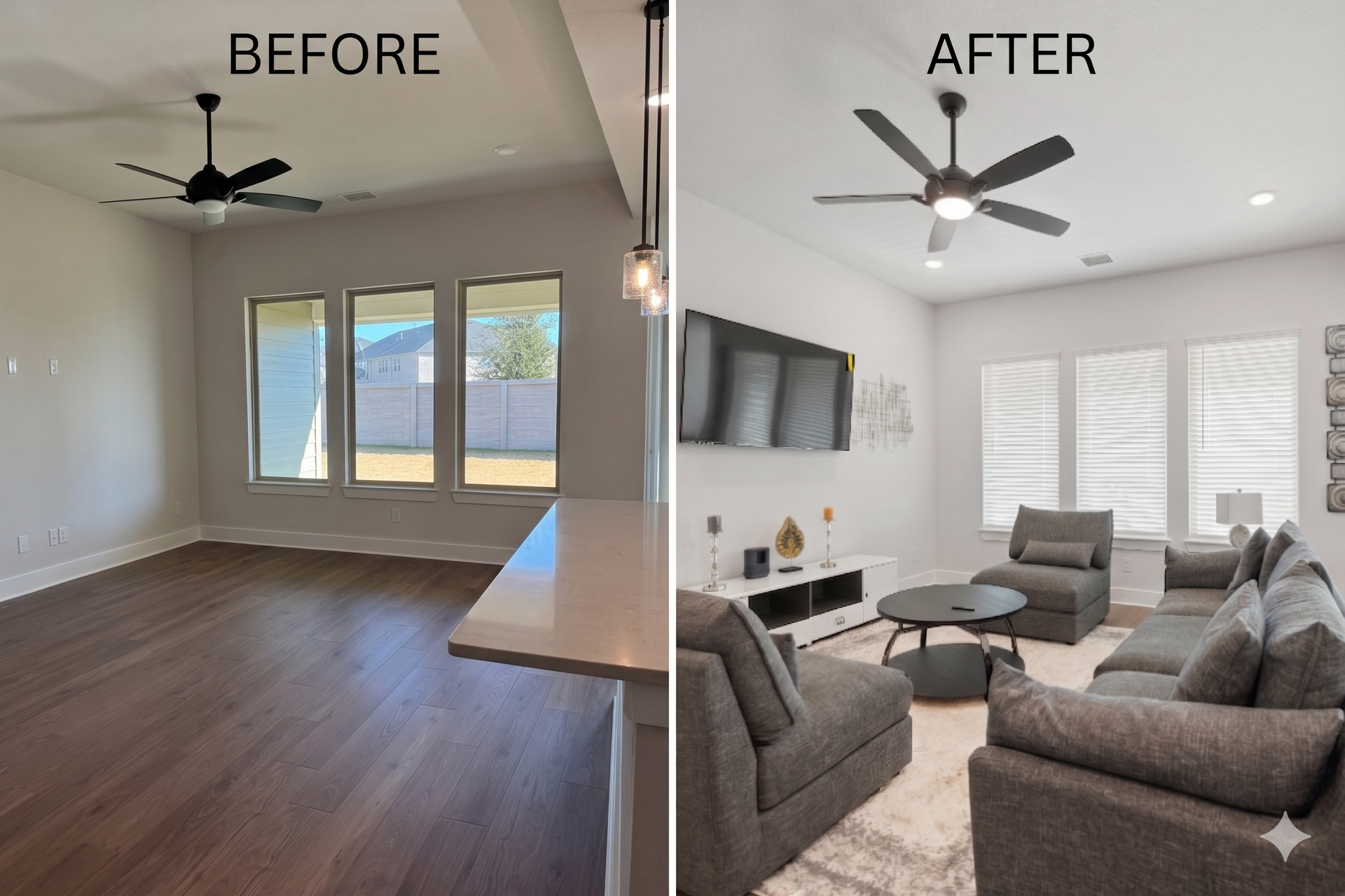


The First Renter Screening Happens Before the Application

When property owners think about screening renters, they usually think about credit scores, income verification, employment, rental history, and background checks.
Those things matter. But another form of screening happens much earlier—often before a prospective renter ever fills out an application.
Your property makes the first impression.
The photos, condition, furnishings, description, location, and price all influence who decides to contact you. In that sense, your property can help attract the type of renter you want before the formal screening process even begins.
This is especially important for furnished and temporary housing, where renters are often looking for more than a place to sleep. They want comfort, convenience, cleanliness, and confidence that the property will meet their needs.
Your Property Makes the First Impression
Most renters see a property online before they ever see it in person.
They may find it through Google, a rental platform, social media, or a referral. Within seconds, they begin deciding whether the property looks like a place they would want to live.
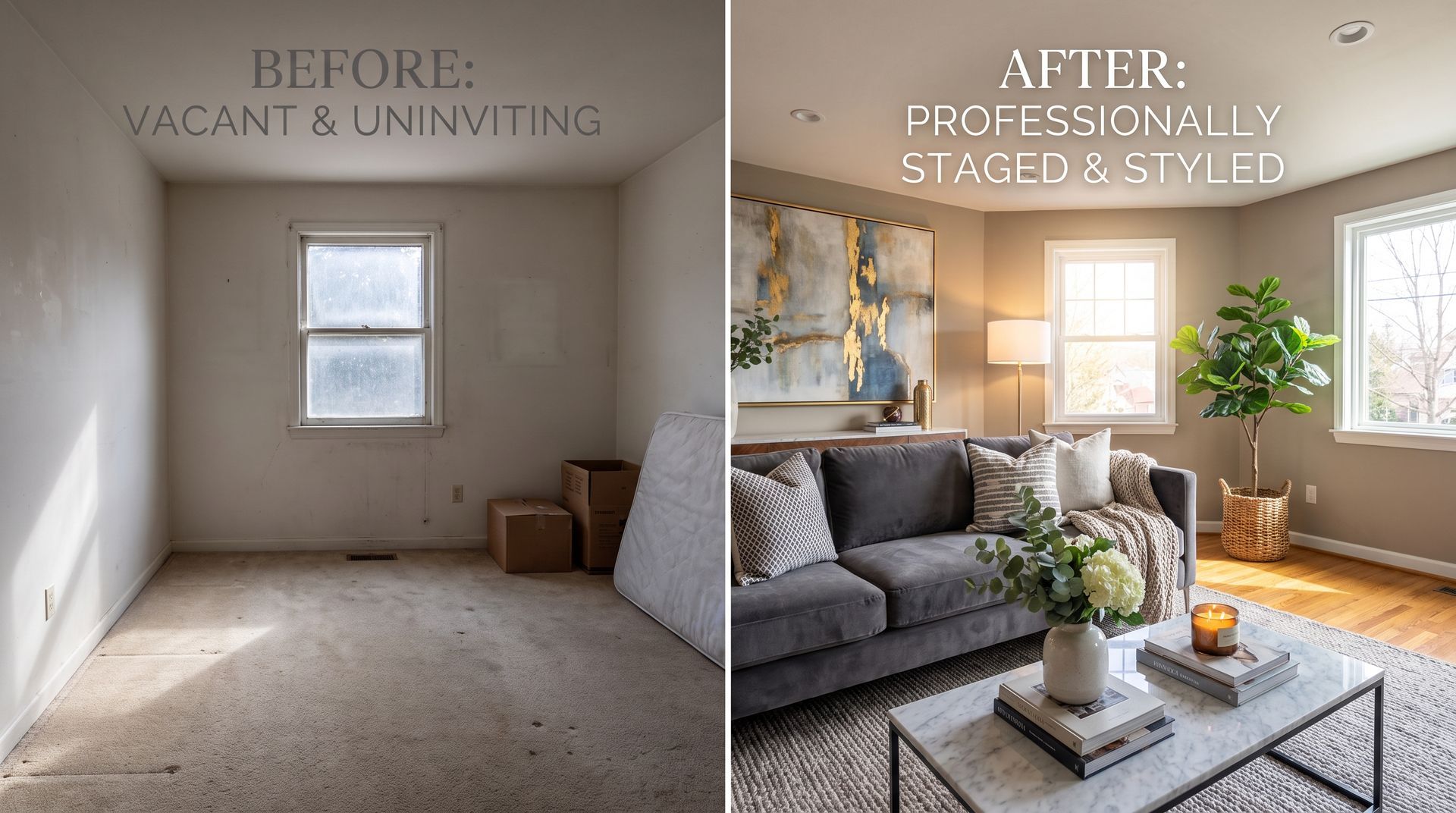
Poor photography, cluttered rooms, outdated furniture, or an unclear description can make a property feel less appealing. It may also attract people who are primarily focused on finding the lowest price.
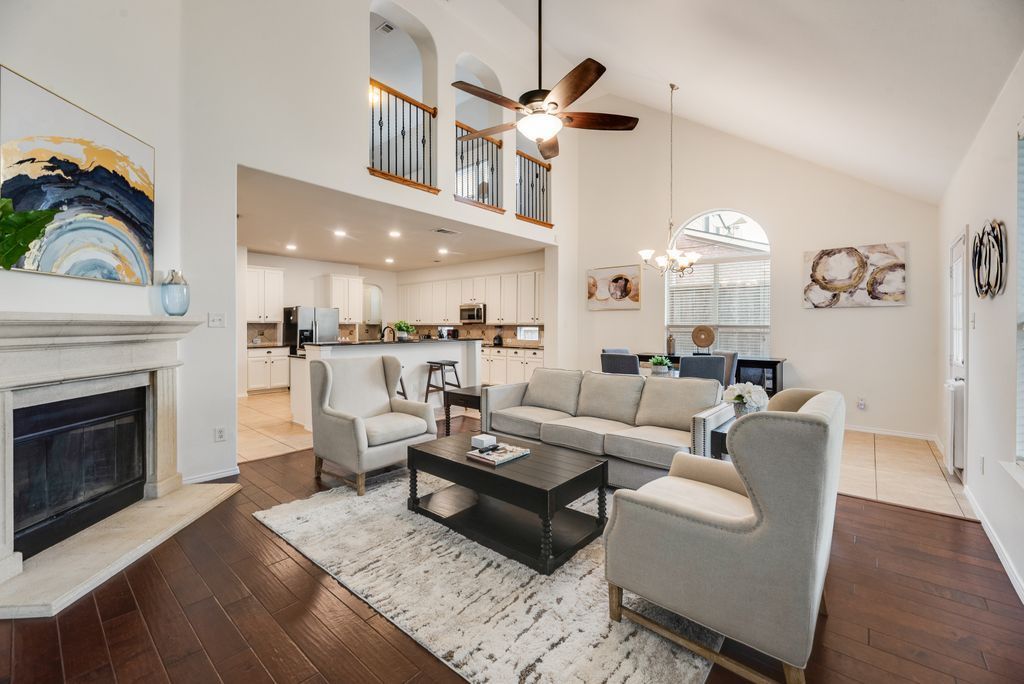
A clean, thoughtfully furnished, professionally photographed property sends a different message.
It communicates that the property is cared for and that the owner or manager takes the rental experience seriously.
That doesn't mean you need luxury furniture or an expensive renovation.
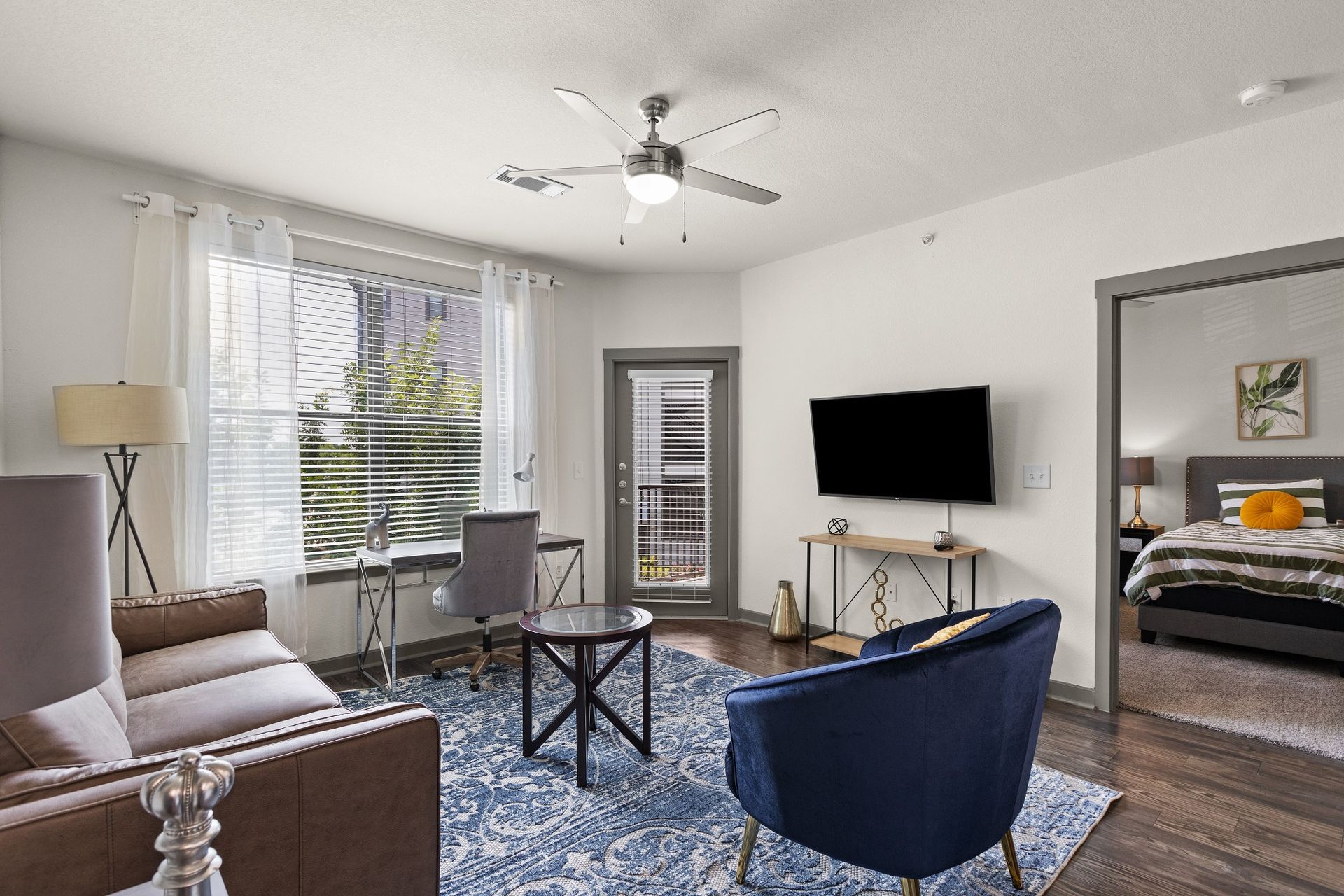
The property needs to look clean, functional, intentional, and accurately represented.
Good Presentation Sets Expectations
Property presentation does more than attract attention. It helps establish expectations.
Consider someone relocating to Dallas-Fort Worth for a new job. They may need more than a furnished apartment. They could be looking for a comfortable bedroom, a functional kitchen, reliable Wi-Fi, workspace, parking, laundry facilities, and convenient access to work.
If those features are clearly shown and explained in the listing, the property is more likely to attract someone who actually values them.
That creates a better match between the renter and the property.
It can also reduce the expectation gap that sometimes causes problems after move-in. When marketing accurately represents the property, renters understand what they are getting before they commit.
Good presentation isn't about making a property look better than it is. It's about showing its value honestly and effectively.
You Don't Need More Inquiries. You Need Better Ones.
Property owners sometimes measure marketing success by the number of calls, messages, or applications they receive.
But more inquiries do not necessarily mean better results.
Ten qualified prospects can be more valuable than fifty inquiries from people who cannot afford the property, don't need its amenities, or aren't looking for the type of housing being offered.
This is where strategic presentation becomes important.
A professionally furnished home near major employment centers may appeal to corporate professionals and relocating employees. A comfortable, fully equipped property may attract families who need temporary housing. A well-positioned home may appeal to insurance clients who need a place to live while their primary residence is being repaired.
The property helps define its audience.
The right photographs, furnishings, amenities, and description can make that audience clearer.
Presentation Can Influence the Rental Experience
A well-maintained property also communicates something about management standards.
When prospective renters see clean rooms, organized spaces, quality furnishings, and properly maintained features, they can reasonably expect the property to be managed with care.
That doesn't guarantee how someone will behave after moving in. Proper screening is still essential.
Income verification, credit and background checks, rental history, references where appropriate, a strong lease, deposits, and property inspections all have an important role to play.
But presentation can influence who is interested in the property and what they expect from the rental experience.
Think of it as an
early filter—not a replacement for tenant screening.
Furnished Rentals Need More Thought
This becomes even more important with furnished housing.
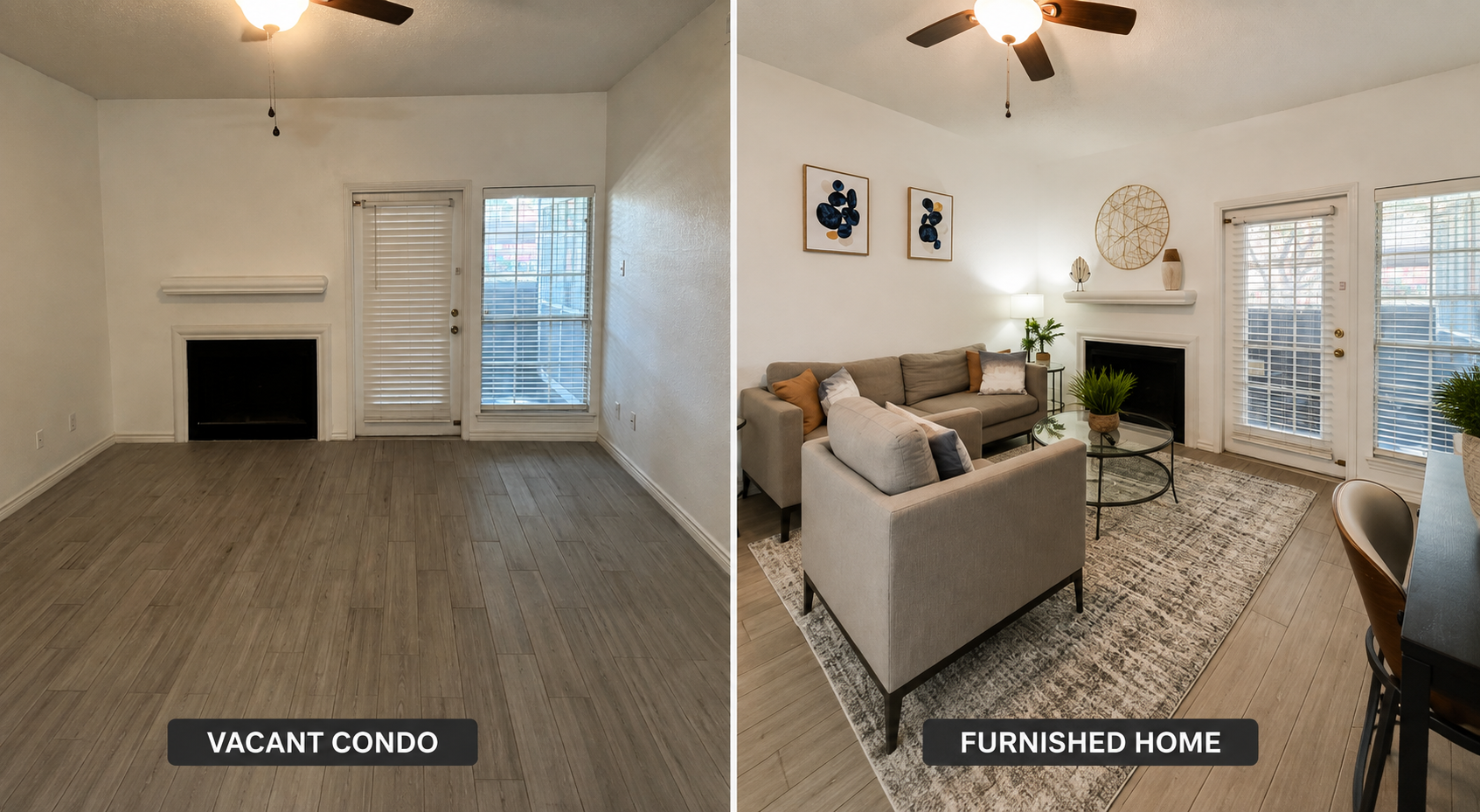
A furnished rental isn't simply an unfurnished property with a sofa, bed, and dining table added to it.
The furnishings should support the lifestyle of the renter you want to attract.
A traveling professional may need a comfortable workspace. A relocating family may need practical storage and a functional kitchen. An insurance-placement client may need a fully equipped home where they can settle in quickly without buying everything from scratch.
The question isn't simply, “Is the property furnished?”
A better question is:
“Is it furnished for the person I want to rent it to?”
That shift can influence everything from the furniture you purchase to the photographs you take and the way you market the property.
Screening Should Start Before the Credit Report
The strongest rental strategy combines effective marketing with proper screening.
Your marketing attracts attention. Your property presentation establishes expectations. Your application process verifies qualifications. Your lease and management practices protect the property after move-in.
Each part has a different job.
A credit report can provide insight into financial history. Income verification can help determine affordability. Rental history can provide information about previous tenancy.
But none of those tools can make a poorly presented property attractive to the right renter.
The property has to earn the inquiry before you can screen the applicant.
Make Your Property Work Harder
If your rental is sitting vacant, attracting the wrong inquiries, or competing primarily on price, the solution may not simply be lowering the rent.
Take another look at how the property is positioned.
Does it appeal to the renter you actually want? Do the photographs communicate its value? Are the furnishings appropriate for the target renter? Does the description clearly explain the benefits? Does the property look as good in person as it does online?
At Furnished Housing Consultants, we help property owners evaluate these details and position furnished rentals around the needs of the market they want to reach.
Because filling a vacancy isn't the only goal.
The goal is to attract the right renter, create the right expectations, and position the property for a successful rental experience.
And that process starts long before the credit check.