

Self-Managing vs. Professional Furnished Rental Management: What Does It Really Cost?

Owning a furnished rental property can create an opportunity to earn income, but managing it successfully requires more than finding a tenant and collecting rent. From furnishing and marketing to maintenance, cleaning, and tenant communication, the responsibilities can quickly add up.
For homeowners and real estate investors in Dallas–Fort Worth (DFW), one important question is whether to manage a furnished rental independently or hire a professional property management company.
At first glance, self-management may appear cheaper because you avoid paying management fees. However, the real cost includes your time, operating expenses, vacancies, tenant turnover, and the risk of costly mistakes. Understanding these factors can help you choose the approach that best supports your financial goals.
What Does Self-Managing a Furnished Rental Involve?
Self-management means taking responsibility for the daily operations of your rental property. You handle tenant inquiries, marketing, screening, rental agreements, rent collection, maintenance coordination, and move-in and move-out arrangements.
Furnished rentals can require additional attention because tenants expect a move-in-ready home with functional furniture, appliances, kitchen essentials, linens, and other amenities. Between stays, you may also need to coordinate cleaning, inspect the property, replace damaged items, and prepare the home for the next occupant.
Self-management can work well for owners who have the time, experience, and reliable local service providers to handle these responsibilities. It may also give you more direct control over decisions and expenses.
The challenge is that the work does not stop when the property is occupied. A maintenance issue, a tenant question, or an unexpected turnover can require your attention even when you have other professional or personal commitments.
What Does Professional Furnished Rental Management Cost?
Professional management involves paying a company to handle agreed-upon rental operations on your behalf. Depending on the service agreement, this may include property marketing, tenant screening, lease coordination, rent collection, maintenance coordination, inspections, and tenant communication.
Management fees vary by provider, property type, location, and service package. Some companies charge a percentage of rental income, while others may charge fixed fees or additional amounts for leasing, setup, cleaning, or specific services.
It is important to understand exactly what a quoted fee covers. A lower management fee may not represent better value if essential services cost extra.
For furnished rentals, owners should also clarify who handles furniture procurement, property staging, inventory checks, replacement items, and turnover preparation.
Professional management does not eliminate every expense or guarantee consistent occupancy. Its value lies in helping coordinate operations, reduce the owner's day-to-day workload, and establish a more organized rental process.
The Hidden Costs of Managing a Property Yourself
The biggest mistake owners make is comparing professional management fees with zero dollars and assuming self-management is always cheaper.
Consider the value of your time. If you spend hours responding to inquiries, arranging repairs, coordinating cleaning, and handling tenant concerns, those hours have an opportunity cost. You could otherwise spend that time working, managing other investments, or pursuing personal priorities.
Vacancies are another consideration. Delayed responses, ineffective marketing, poor pricing, or slow turnover preparation may leave a property unoccupied longer than necessary. Even a short vacancy can affect your overall rental performance.
Maintenance mistakes can also become expensive. Delaying a repair, hiring an unsuitable contractor, or failing to inspect the property between occupants may lead to larger problems.
These outcomes are not inevitable, and experienced owners can manage them effectively. However, they should be included when evaluating the true cost of self-management.
A Simple Example: Comparing the Real Costs
Suppose your furnished rental generates $3,000 in monthly rent. For illustration, assume a professional management company charges 10% of collected rent. The actual rate and services will vary by provider.
| Monthly item | Self-managed | Professionally managed |
|---|---|---|
| Rental income | $3,000 | $3,000 |
| Management fee | $0 | $300 |
| Other property operating costs | $900 | $900 |
| Estimated value of owner's time | $400 | $100 |
| Total costs shown | $1,300 | $1,300 |
| Income after costs shown | $1,700 | $1,700 |
In this example, both approaches produce the same estimated result after assigning a value to the owner's time. The figures are illustrative, not market averages, and exclude taxes, financing, vacancy, furnishing costs, and other expenses that may apply.
The lesson is that management fees alone do not determine which option is more economical. Your workload, operating efficiency, service quality, and rental performance all matter.
Which Option Is Better for Your Property?
Self-management may suit owners who live nearby, have flexible schedules, understand rental operations, and can respond promptly to tenant needs. It can provide greater direct control, provided you are prepared to handle the workload.
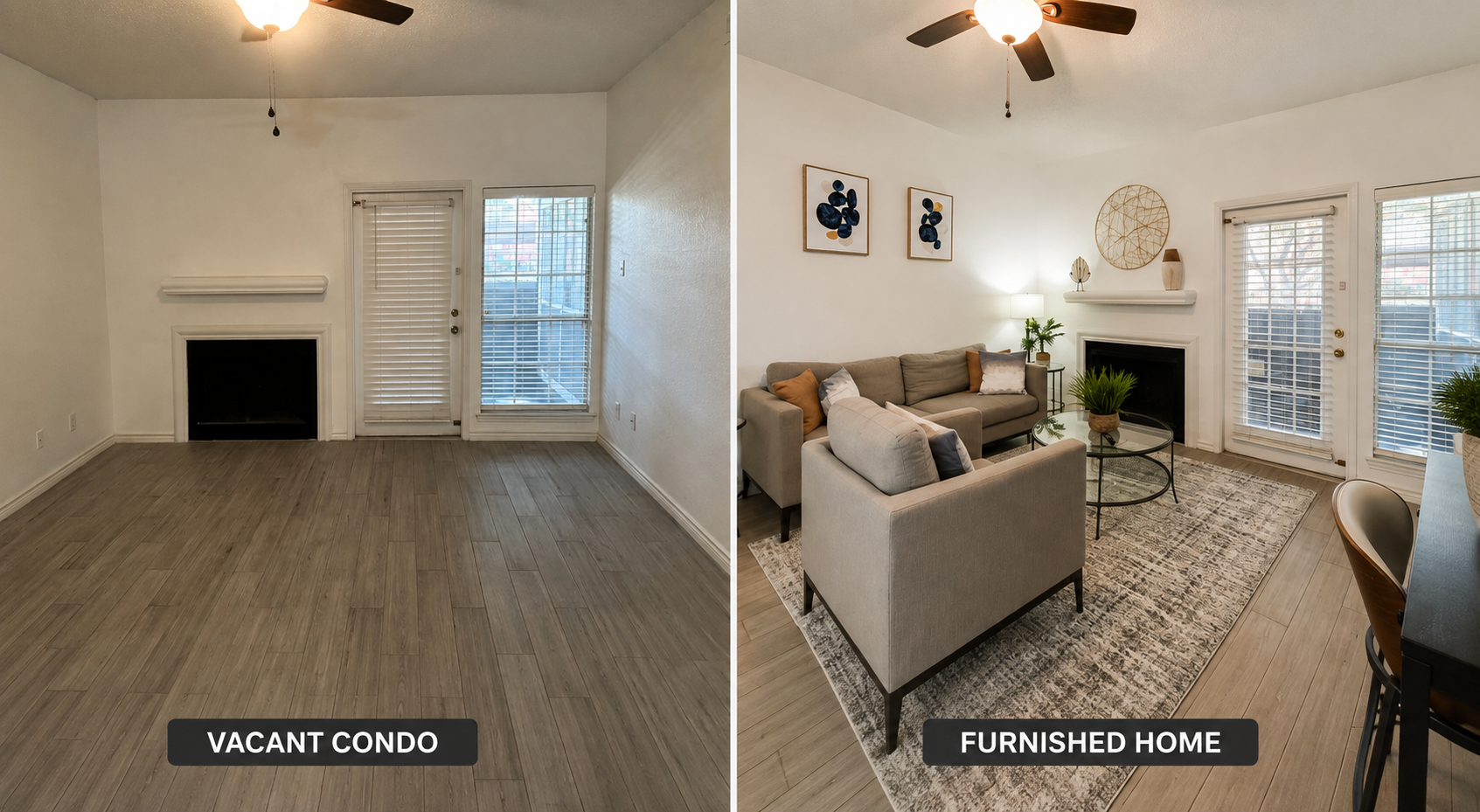
Professional management may be a better fit for busy professionals, out-of-state owners, and investors who prefer not to coordinate every aspect of the rental. It can also help owners who are transitioning an empty or traditionally rented property into furnished corporate or mid-term housing.
Before deciding, estimate your expected rental income, operating expenses, furnishing investment, management fees, and likely vacancy periods. Compare these costs against the time and responsibilities you would retain under each arrangement.
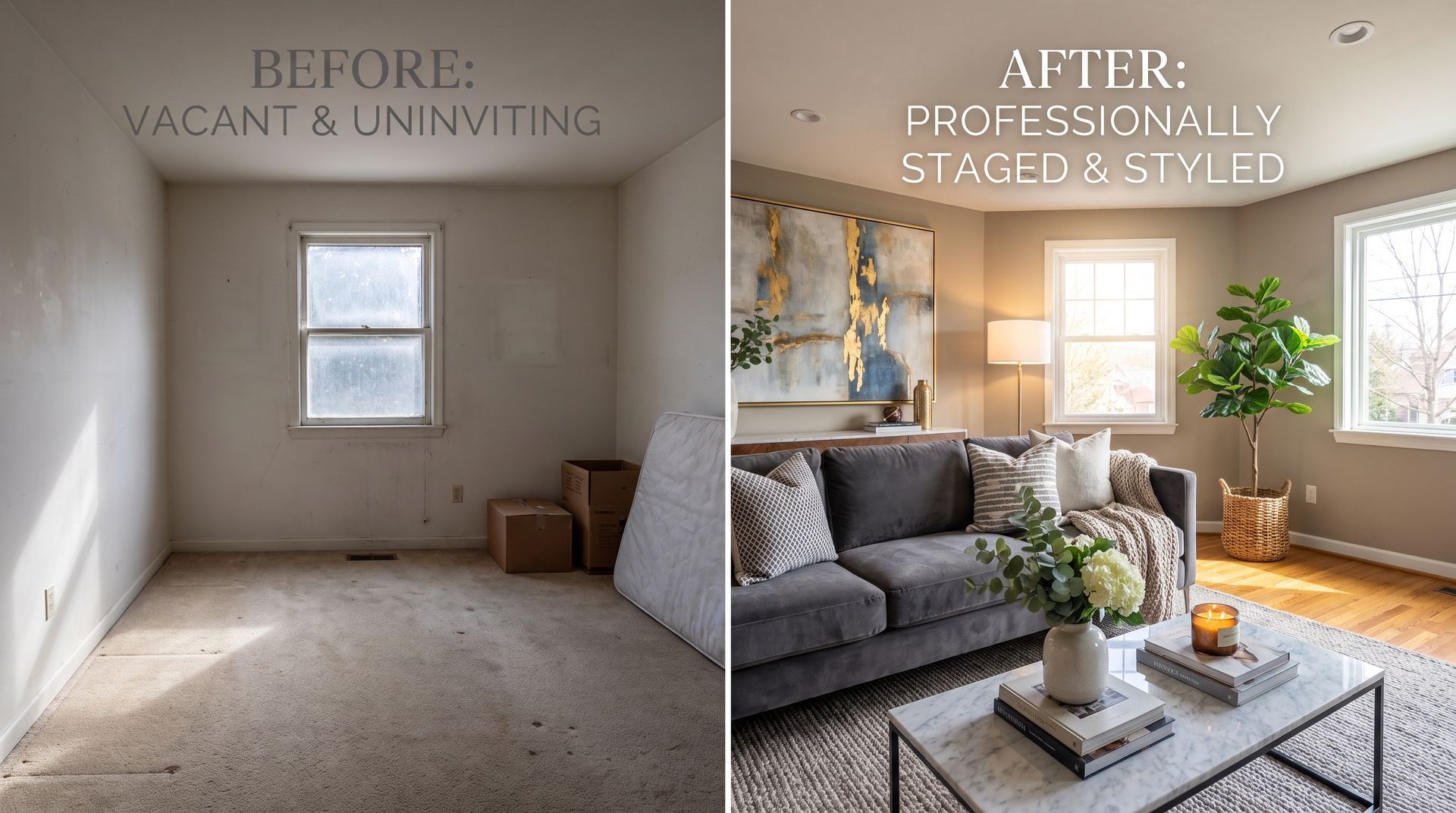
Preparing a property for furnished rental income involves more than putting furniture in a living room. The property needs appropriate furnishings, practical amenities, effective marketing, and an organized management plan.
Furnished Housing Consultants (FHC) helps homeowners and investors in Dallas–Fort Worth prepare, stage, furnish, and manage properties for furnished rental opportunities. Depending on your property's needs and selected services, professional support can help simplify the process of getting your home ready for tenants and coordinating ongoing operations.
Rather than focusing only on the management fee, consider the value of your time, the condition of your property, and the quality of the rental experience you want to provide.
Ready to make your property work for you?
Contact Furnished Housing Consultants to discuss your property and explore furnished rental staging and management solutions tailored to your goals.