
5 Ways Corporate and Mid-Term Rentals Protect Property
Corporate and mid-term rentals protect your property by attracting screened tenants, reducing turnover, and creating more predictable occupancy than many short-term arrangements. Furnished housing also supports clear lease terms, professional inspections, and responsible use—helping Dallas–Fort Worth owners preserve property condition while earning reliable rental income.
Why are corporate and mid-term rentals a safer choice?
Corporate and mid-term rentals typically serve professionals, relocating families, medical workers, and insurance tenants who need housing for several weeks or months. Compared with frequent short stays, longer occupancy can mean fewer move-ins, fewer turnovers, and less wear on floors, furniture, appliances, and fixtures.
Owners can also work with a professional furnished property management team to coordinate screening, leasing, inspections, maintenance, and communication from one place.
5 property protection benefits
1. Fewer turnovers reduce wear and tear
Every turnover creates risks: moving damage, cleaning oversights, lost keys, and accidental damage during frequent arrivals and departures. A mid-term lease reduces the number of transitions while keeping the property active.
2. Tenant screening supports better decisions
A structured screening process can review identity, income, employment, rental history, and the reason for the stay. Corporate and relocation tenants may also have employer, insurer, or placement-company documentation that adds context before approval.
3. Clear leases establish accountability
Professional agreements should define rent, deposits, occupancy limits, maintenance responsibilities, furnishing rules, prohibited activities, and inspection procedures. Clear expectations make it easier to address concerns early and document the property’s condition.
4. Furnishings can be selected for durability
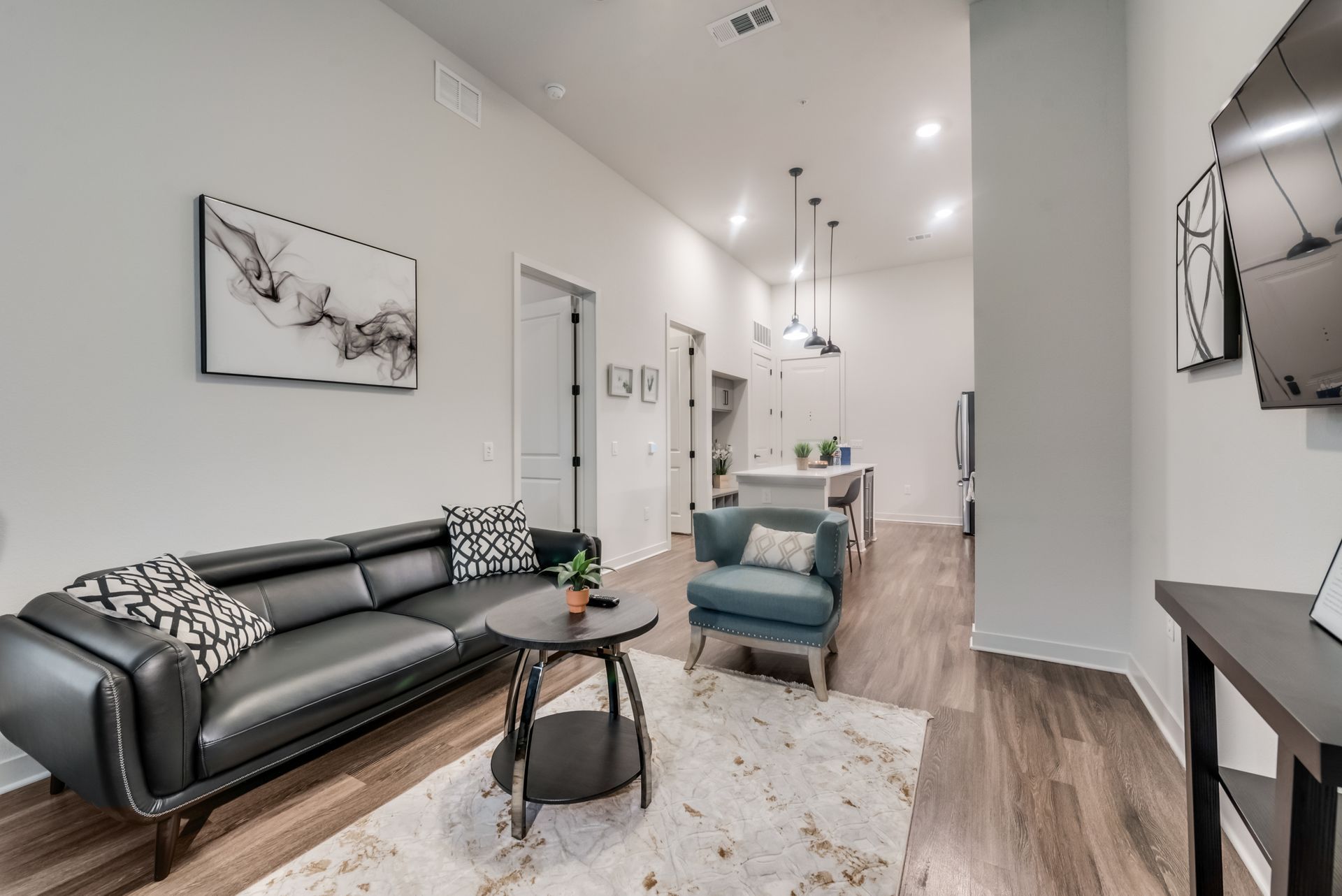
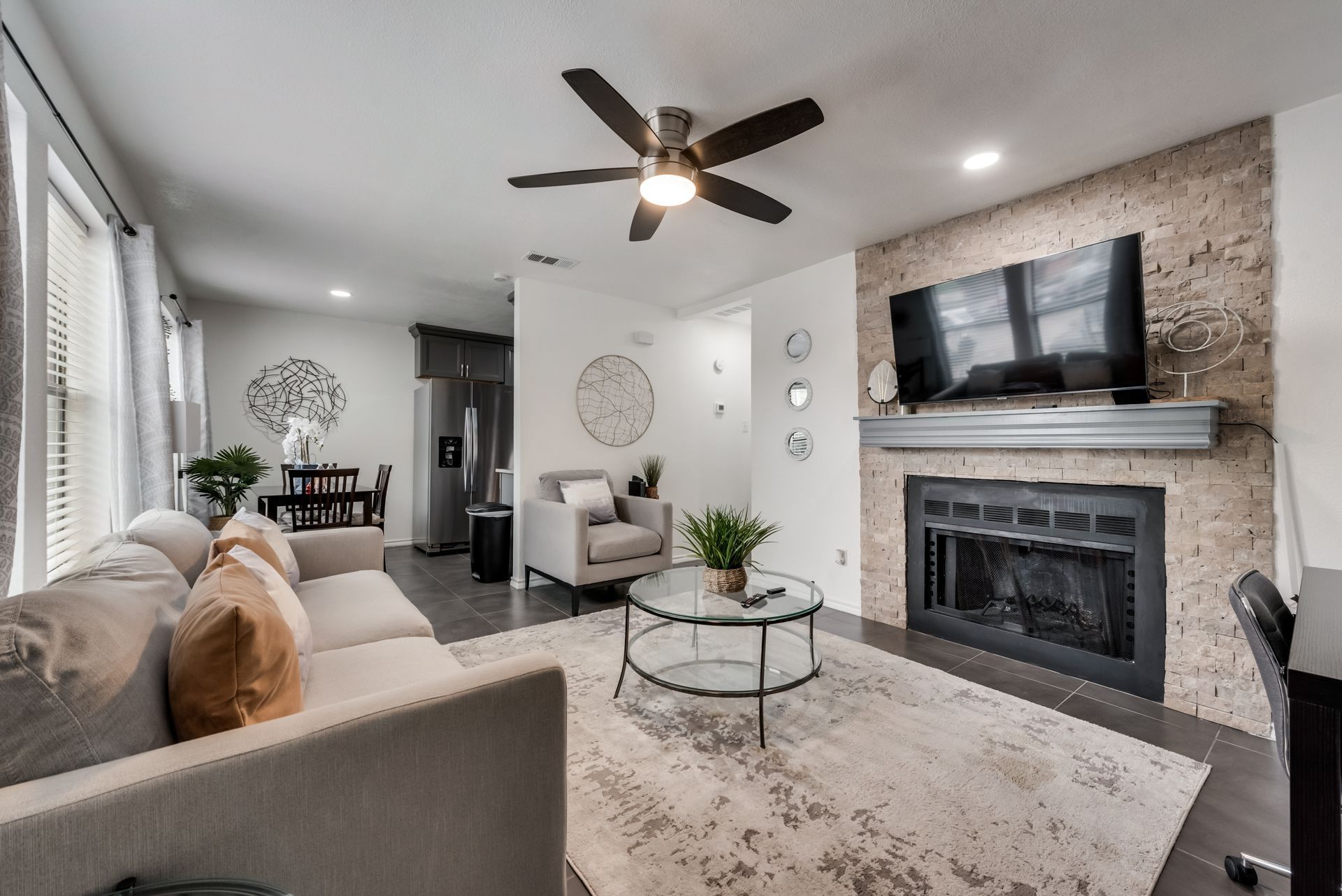
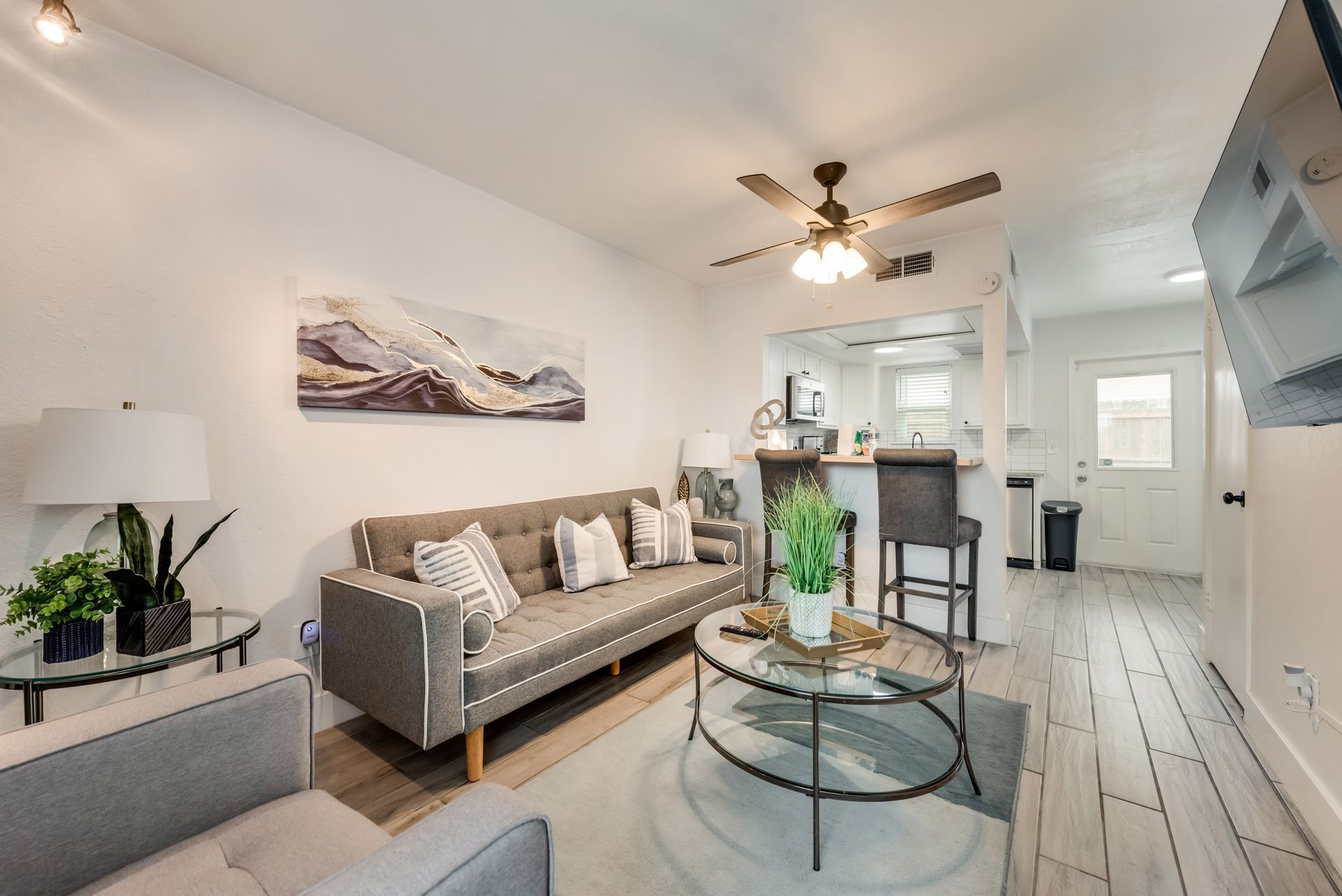
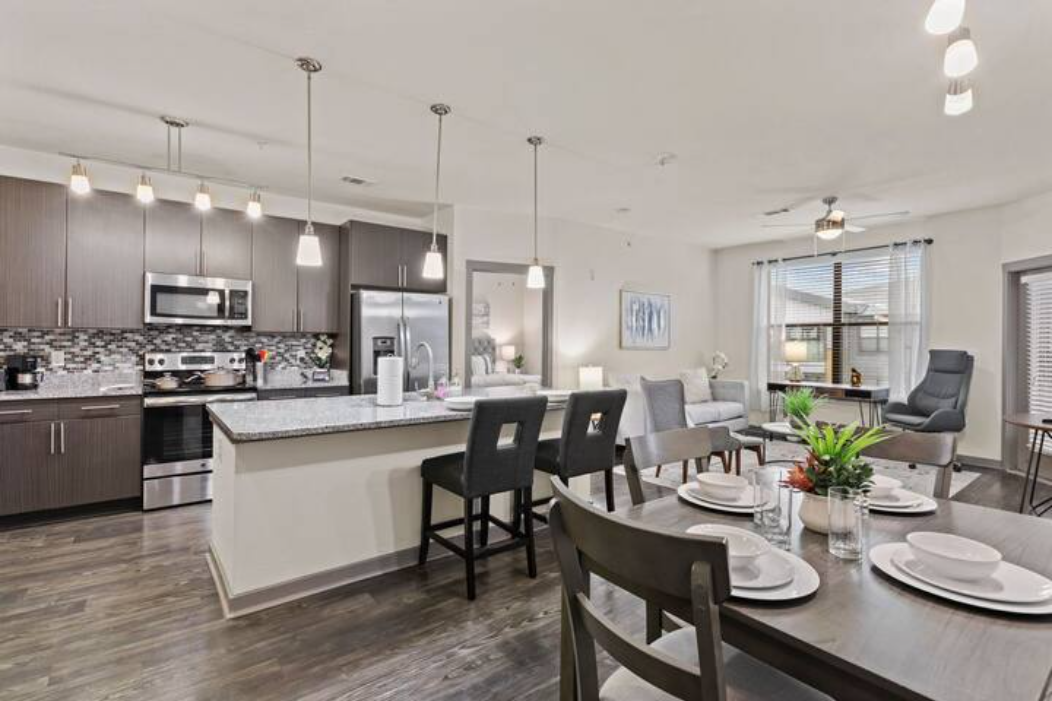
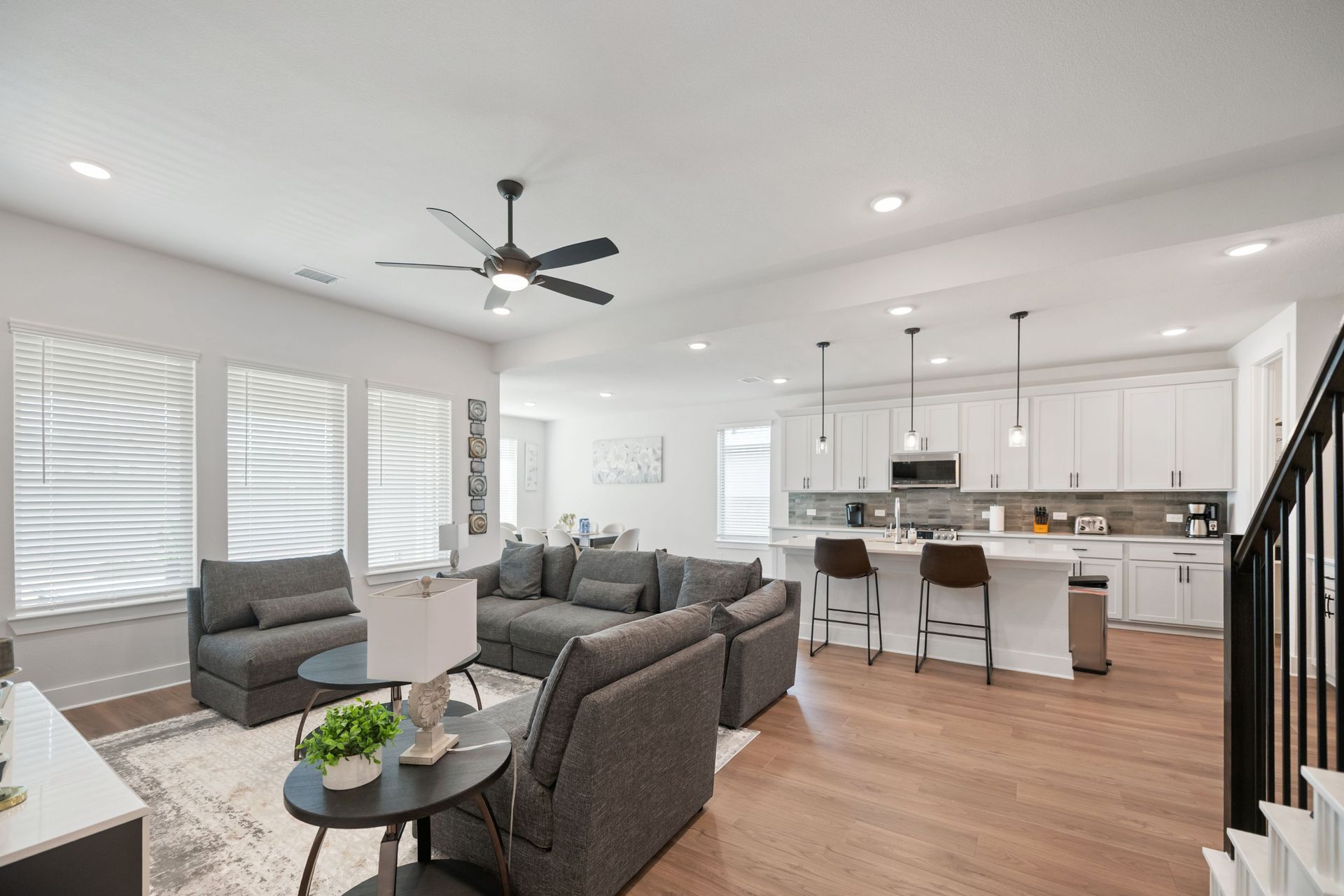
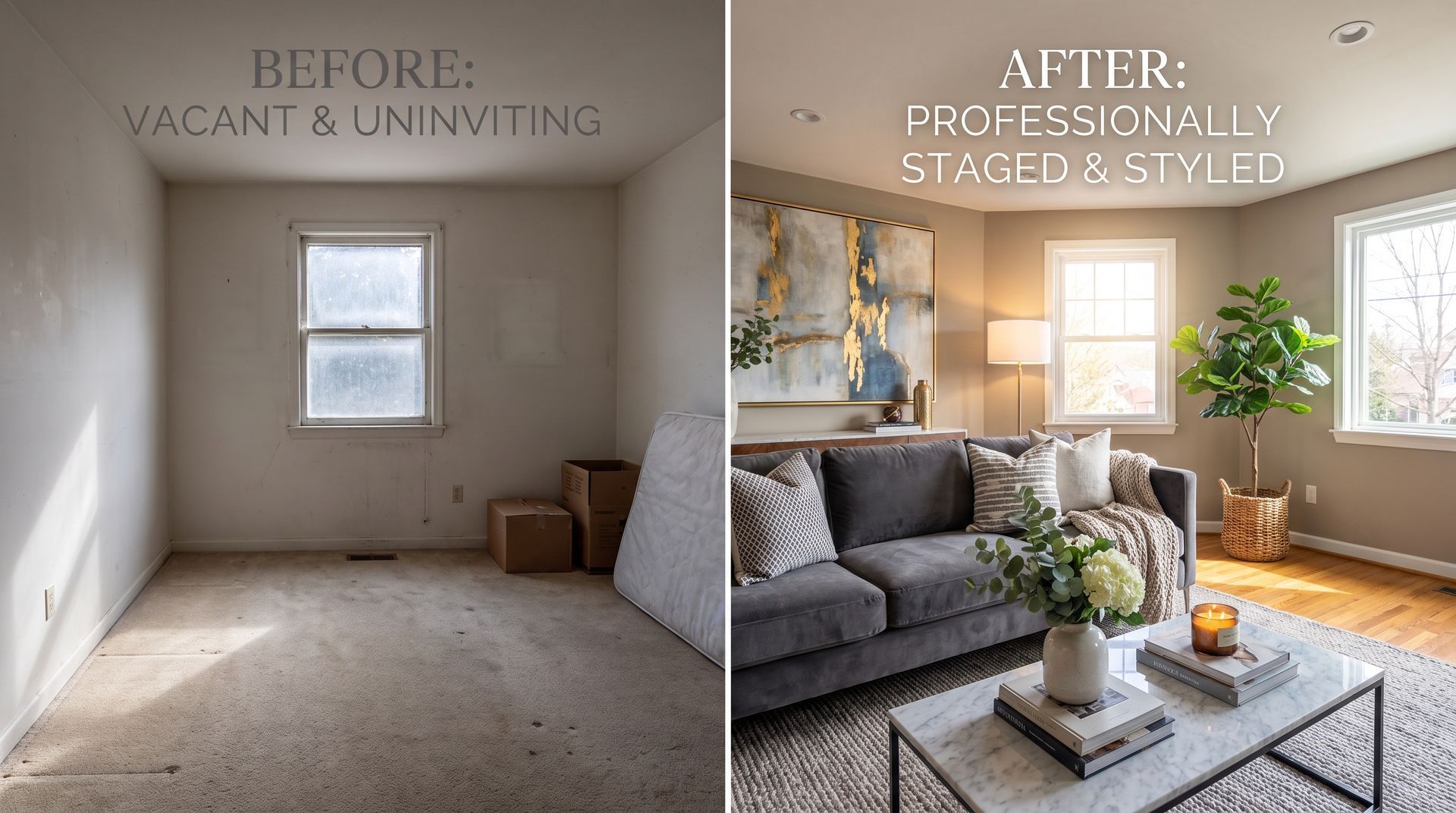
A property designed for mid-term use should prioritize practical materials, stable furniture, washable textiles, and easy-to-replace accessories. Professional design, setup, and staging can make the home attractive without relying on fragile or overly expensive décor.
5. Consistent oversight catches issues sooner
Routine inspections, responsive maintenance, and documented communication help identify leaks, appliance problems, HVAC concerns, or unauthorized occupants before minor issues become expensive repairs.
How can Dallas–Fort Worth owners reduce rental risk?
Use a repeatable operating process:
- Photograph and document the property before every tenancy.
- Verify the tenant, income source, occupants, and lease purpose.
- Use a written agreement tailored to the rental period.
- Schedule maintenance and periodic condition checks.
- Keep records of repairs, communications, and move-out results.
A local manager can also help position the home for corporate, relocation, medical, and insurance demand. Review available property management services or submit a property owner inquiry to discuss the home’s location, furnishings, and rental goals.
The practical takeaway
Corporate and mid-term rentals are not risk-free, but they can offer a stronger protection strategy than unmanaged or highly transient rentals. Longer stays reduce turnover, careful screening improves tenant selection, durable furnishings limit damage, and regular oversight catches problems early. For Dallas–Fort Worth property owners, the next step is to evaluate the home’s condition, furnishing plan, ideal tenant profile, and management needs. Then compare a professional furnished-rental approach with your current strategy and choose the model that best balances income, occupancy, and property preservation.