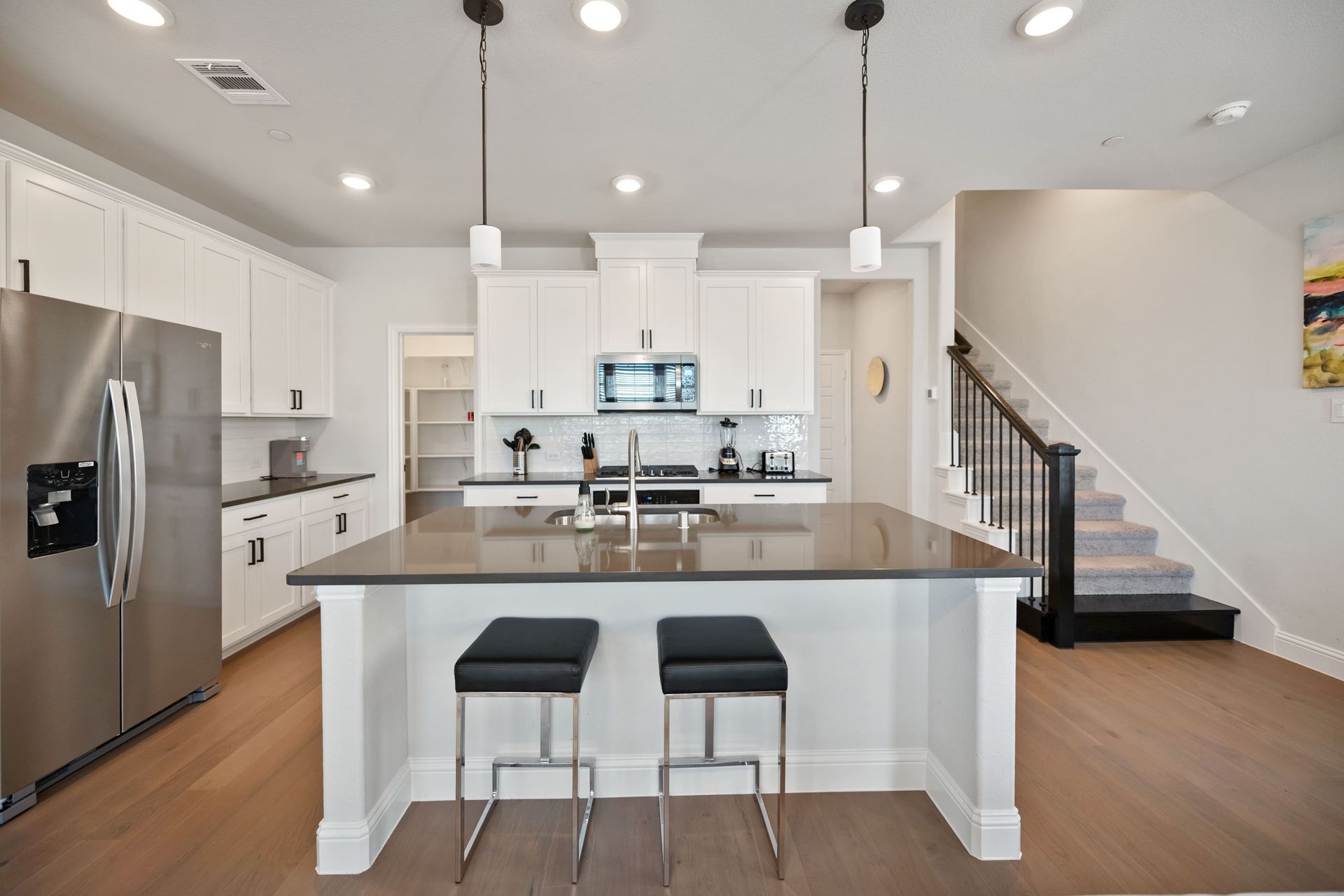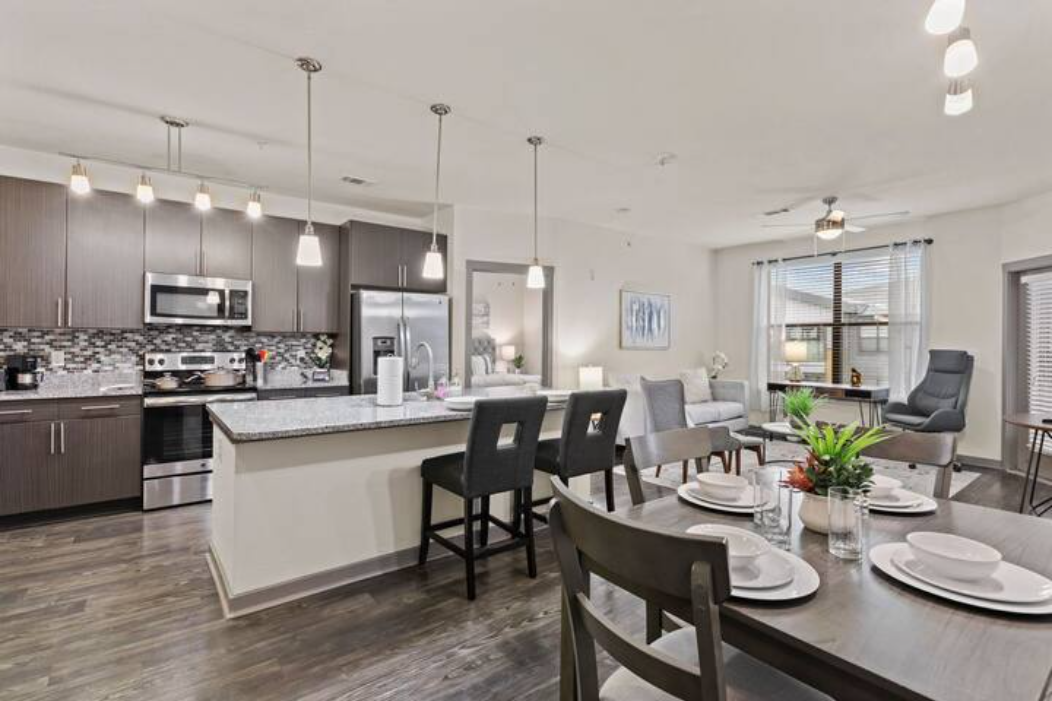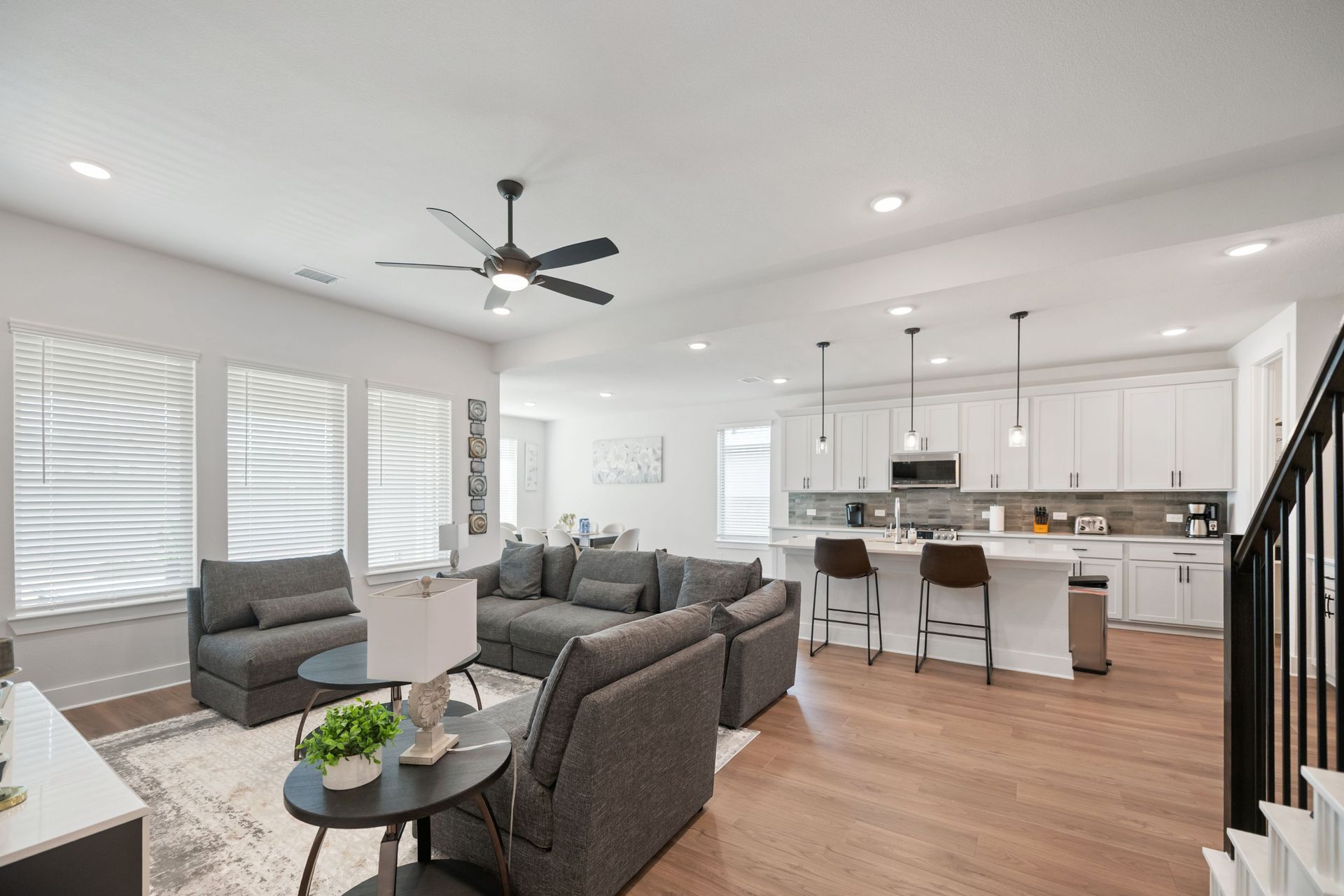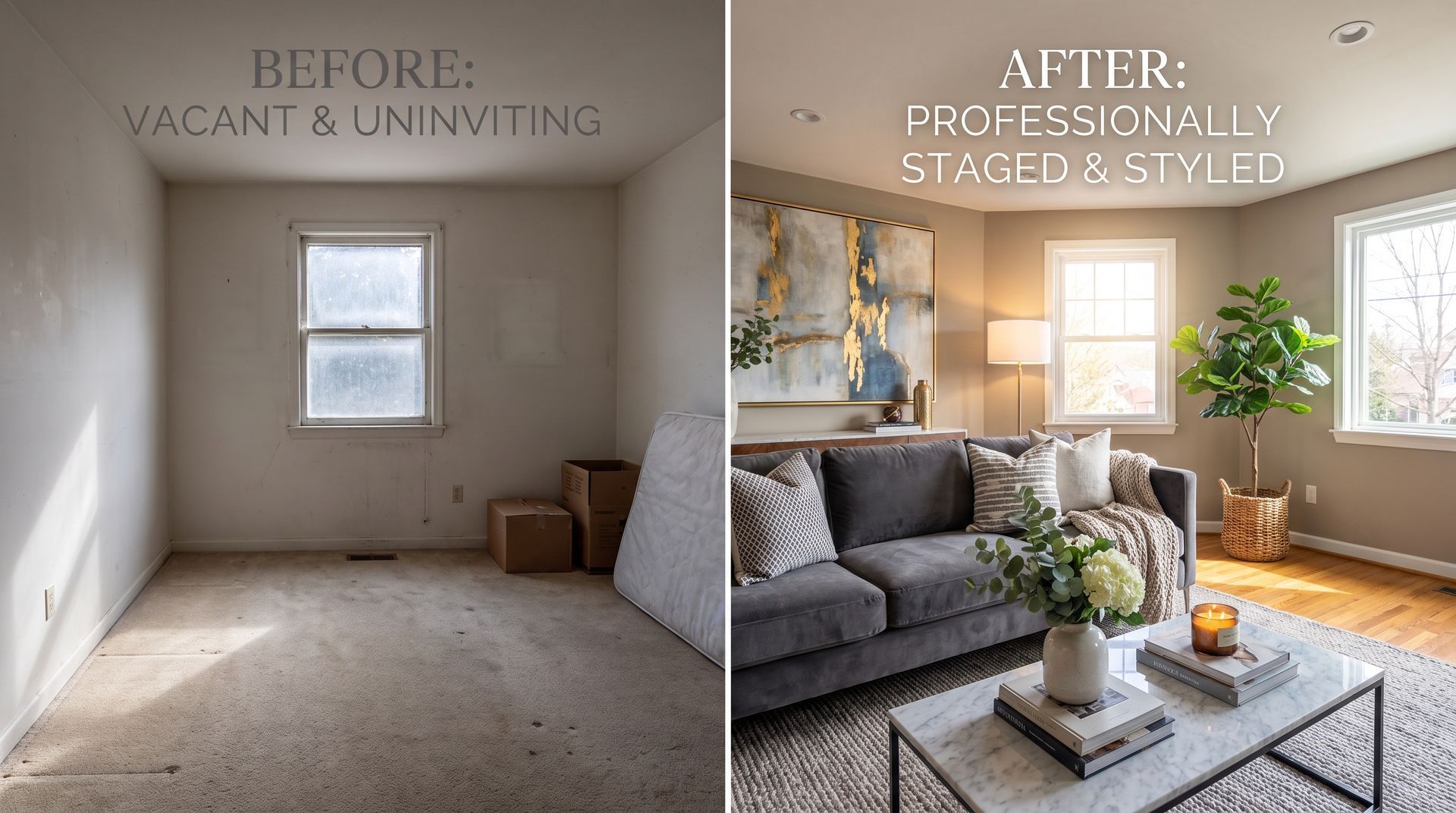

How to Make a DFW Furnished Rental Profitable
A vacant DFW property can become a profitable furnished rental when its location, layout, furnishings, pricing, and operations match demand from corporate, relocation, medical, and insurance tenants. Success depends on validating local demand, preparing the home professionally, pricing it competitively, and managing occupancy and guest experience consistently.
Is a Furnished Rental a Good Fit for Your DFW Property?
A furnished rental is often a strong option for a Dallas–Fort Worth property that is vacant, between long-term tenants, undergoing a relocation transition, or located near employment, healthcare, transportation, or business centers. Instead of committing to a traditional 12-month lease, owners can offer a move-in-ready home for stays commonly lasting 30 days or longer.
This model is frequently called a mid-term rental . It serves people who need more space and privacy than a hotel but do not want to sign a year-long lease. Typical residents include:
- Corporate employees on temporary assignments
- Families relocating to DFW
- Medical professionals, patients, and caregivers
- Homeowners displaced by renovation or insurance claims
- Professionals between homes or during extended projects
The right property does not need to be luxurious. It does need to be clean, comfortable, functional, well-located, and presented professionally. A thoughtfully prepared two- or three-bedroom home may appeal more strongly than a larger but poorly managed property.
What Makes a DFW Furnished Rental Profitable?
Profitability comes from the relationship between rental revenue, operating costs, occupancy, and the amount of work required from the owner. A higher nightly or monthly rate does not guarantee better returns if the property sits vacant or requires constant attention.
Before investing in furniture or advertising, evaluate these factors:
- Location: Proximity to hospitals, corporate offices, airports, highways, universities, and desirable neighborhoods can influence demand.
- Property condition: Reliable systems, clean finishes, secure access, and a comfortable floor plan reduce friction for residents.
- Resident profile: Your ideal tenant determines the furniture, amenities, lease terms, and marketing message.
- Operating costs: Include utilities, internet, cleaning, maintenance, furnishing, insurance, taxes, supplies, and management fees.
- Occupancy potential: A realistic occupancy estimate matters more than an optimistic maximum rate.
The goal is not simply to list a furnished house. It is to create a dependable housing product that solves a specific problem for a specific audience.
How Do You Check Demand Before Furnishing the Home?
Start with a property and neighborhood assessment. Search for nearby hospitals, medical districts, corporate campuses, construction projects, universities, military facilities, and relocation activity. These demand sources can help indicate whether residents are likely to need temporary housing.
Then compare competing furnished rentals. Review their location, monthly pricing, bedroom count, amenities, photography, minimum stay, parking, workspace, pet policy, and recent availability. Look for gaps you can serve rather than copying every feature competitors offer.
Useful questions include:
- Is the home close enough to major demand drivers to be convenient?
- Does the floor plan work for a family, professional, or group of colleagues?
- Is there dedicated parking and easy access?
- Can the property support dependable Wi-Fi and a practical work area?
- Are there restrictions from the city, homeowners association, lender, or insurance provider?
For a broader overview of the process, review how we work and explore furnished property management services before making major purchases.
Preparing the Property for Furnished Rental Success
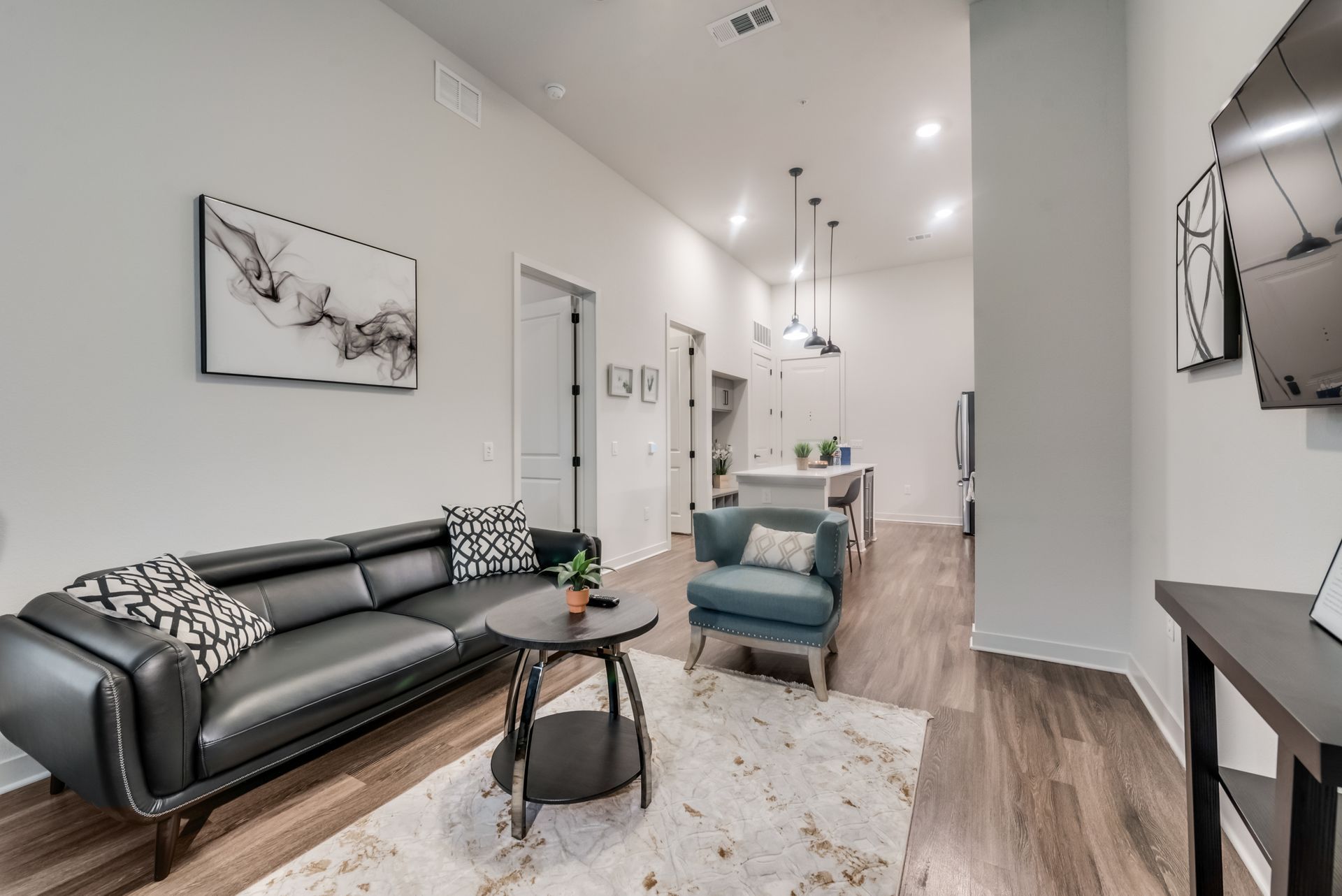
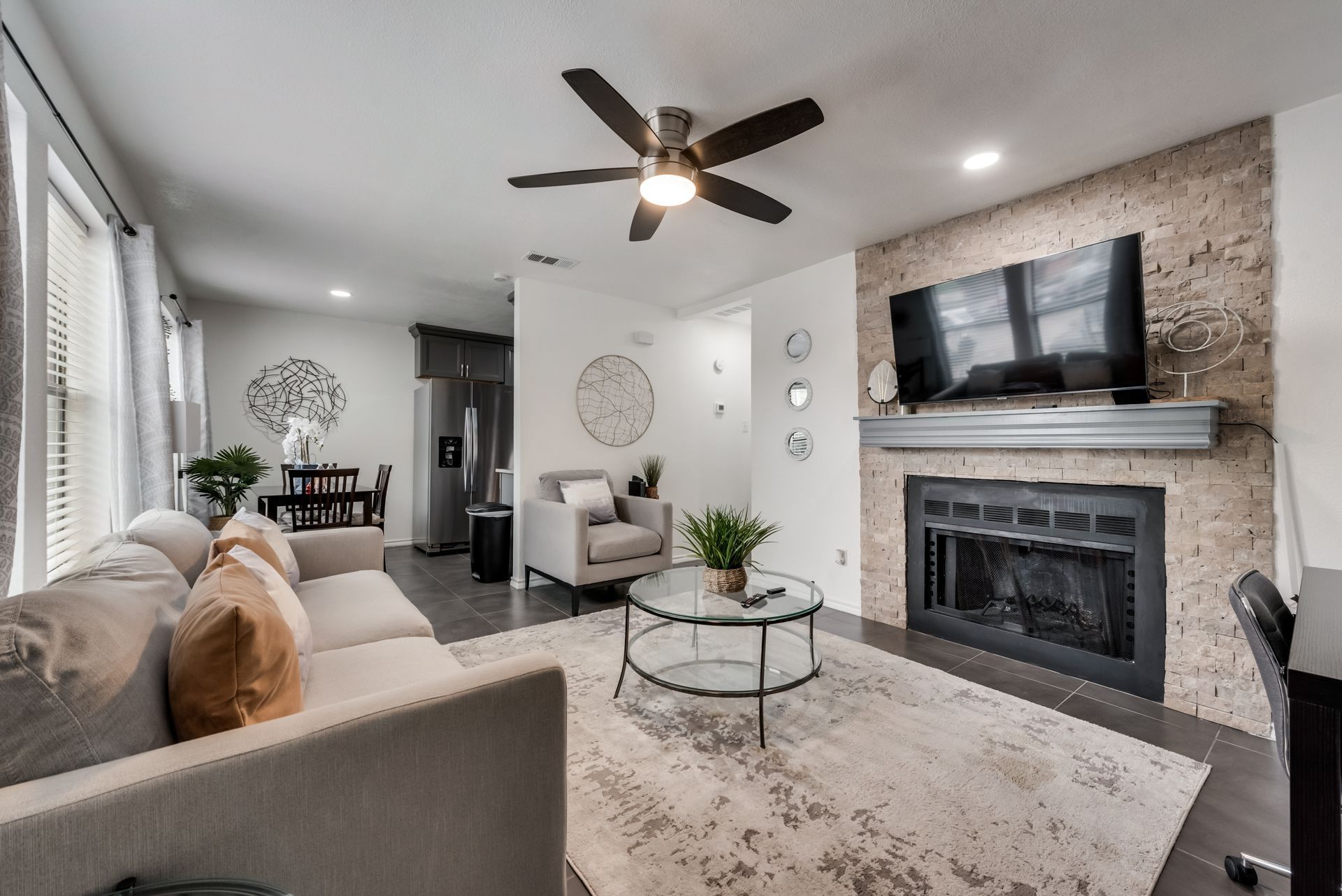
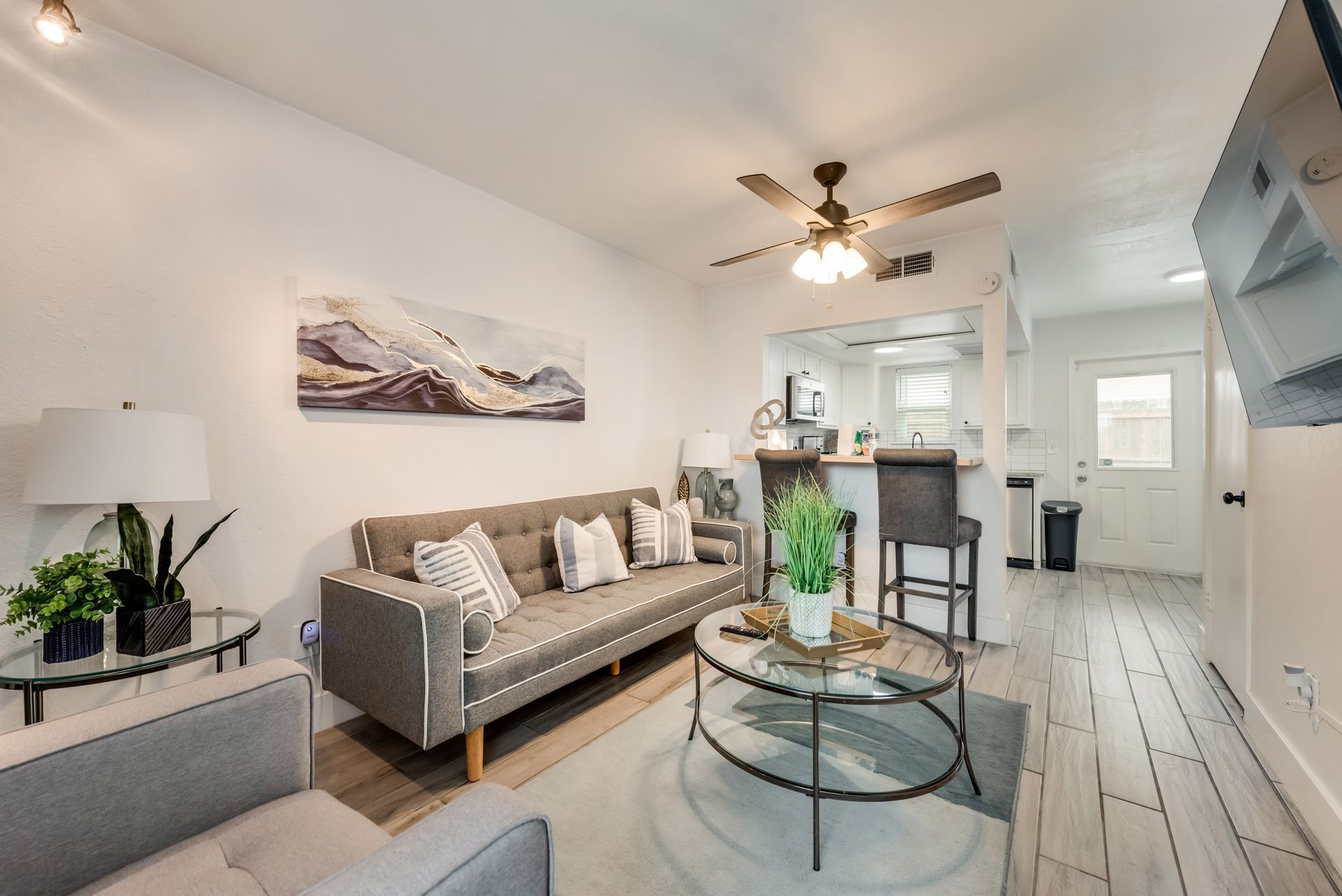
A successful furnished rental should feel comfortable on arrival and easy to use throughout the stay. Residents are paying for convenience, not just furniture. Every room should support a clear purpose and reduce the number of decisions a tenant has to make.
Essential setup priorities
- A comfortable bed with quality linens and extra pillows
- A dining area suitable for meals or laptop work
- A sofa and seating appropriate for the property’s capacity
- A desk or flexible workspace with strong lighting
- Well-equipped kitchen tools, cookware, dishes, and coffee supplies
- Reliable Wi-Fi and clearly labeled home instructions
- Ample closet space, hangers, and luggage storage
- Blackout curtains, lamps, and practical window coverings
- Safe access, smoke and carbon monoxide detectors, and exterior lighting
Design choices should be durable and broadly appealing. Neutral colors, cohesive furnishings, washable textiles, and limited decorative clutter generally photograph well and make the home easier to maintain. Avoid filling rooms with fragile items that create repair costs without adding meaningful value.
The property should also be professionally cleaned and inspected before the first resident arrives. Small issues—loose handles, burned-out bulbs, confusing remotes, or missing kitchen tools—can quickly turn into poor reviews and avoidable service calls.
How Should You Price a Furnished Rental in DFW?
Pricing should reflect the property’s location, size, condition, amenities, seasonality, demand, and expected length of stay. Begin with comparable furnished rentals, then calculate your minimum viable monthly revenue.
A simple planning formula is:
Expected rental revenue − operating expenses − vacancy allowance − reserves = projected owner income
Operating expenses may include:
- Utilities and internet
- Cleaning and turnover services
- Repairs and routine maintenance
- Furniture replacement and consumable supplies
- Insurance, taxes, and licensing costs
- Advertising, screening, and payment processing
- Professional management fees
Do not base your forecast on full occupancy. Use conservative occupancy assumptions and model several scenarios. For example, compare a lower-rate, higher-occupancy strategy with a premium-rate strategy that may require longer vacancies. The better option is the one that produces dependable income after all costs—not merely the highest advertised rate.
Flexible lease terms can also improve performance. A resident staying several months may create fewer turnovers and lower cleaning costs than multiple short stays. The best minimum stay depends on local demand, property rules, and your operating model.
Marketing That Reaches the Right Tenants
A furnished rental listing should answer practical questions quickly. High-quality photography, an accurate description, a complete amenity list, and transparent pricing help qualified prospects decide with confidence.
Highlight the features that matter to your target resident:
- Commute times to hospitals, offices, airports, and major roads
- Bedroom configuration and work-from-home suitability
- Parking, laundry, kitchen, outdoor space, and security features
- Included utilities, internet, furnishings, and maintenance support
- Minimum stay, pet rules, deposits, and application requirements
Avoid vague claims such as “perfect for everyone.” Specific positioning is more persuasive. A listing might emphasize proximity to a medical district, a quiet workspace for a relocating executive, or a fully equipped home for an insurance-displaced family.
You can review featured projects for examples of how professional preparation and presentation can improve a property’s appeal. Owners can also submit a property through the property submission page when they are ready to discuss fit and next steps.
Should You Manage the Rental Yourself?
Self-management may work for an owner who lives nearby, has flexible time, understands tenant screening, and can respond quickly to maintenance or access issues. It requires more than answering inquiries. You may need to coordinate furnishing, photography, applications, leases, payments, cleaning, inspections, repairs, renewals, and move-outs.
Professional management can be valuable when the owner lives outside DFW, owns multiple properties, has a demanding schedule, or wants a more hands-off investment. A qualified manager may help with:
- Property preparation and design
- Marketing and tenant communication
- Screening and lease administration
- Turnover coordination and inspections
- Maintenance response and vendor management
- Occupancy, pricing, and performance reviews
Management fees should be evaluated against the time, risk, and operating consistency provided. The cheapest option is not always the most profitable if it leads to vacancy, damaged furnishings, slow responses, or inconsistent resident experience. Compare services carefully through the services page and request a property-specific discussion at Contact .
Common Mistakes to Avoid
Many owners lose money because they treat a furnished rental like a standard unfurnished lease. Common mistakes include:
- Buying inexpensive furniture that breaks under frequent use
- Underestimating utilities, supplies, repairs, and vacancy
- Using dark or low-quality photos
- Setting rates without studying comparable properties
- Accepting a tenant without appropriate screening or documentation
- Offering too many amenities that are difficult to maintain
- Ignoring local rules, association requirements, or insurance terms
- Responding slowly to inquiries and maintenance requests
A clear operating plan prevents most of these problems. Decide who handles emergencies, how often the home is inspected, what is included, how repairs are approved, and how performance is measured before accepting the first booking.
A Practical DFW Furnished Rental Evaluation
Before converting the property, complete this short review:
- Identify the strongest nearby demand sources.
- Compare at least five relevant furnished rentals.
- Estimate realistic monthly revenue and conservative occupancy.
- Create a complete furnishing, setup, and repair budget.
- Confirm rules, insurance requirements, and suitable lease terms.
- Choose whether self-management or professional management fits your goals.
- Prepare the home, photograph it, and launch with a clear resident profile.
Keep the assumptions and actual results in one simple performance record. Track inquiries, conversion, occupancy, average stay length, maintenance costs, and net income. These figures can guide pricing and furnishing decisions over time.
Final Takeaway
Yes, a vacant DFW property can become a profitable furnished rental when demand, design, pricing, and management work together. Start by validating the neighborhood and identifying the residents most likely to need temporary housing. Then prepare a durable, comfortable home, build a conservative financial forecast, and market the property around practical benefits. If you want dependable income without handling every operational detail, compare the support available through Furnished Housing Consultants and request a property review. The next step is to evaluate the property’s location, costs, and earning potential before committing to the conversion.